
Main Courses
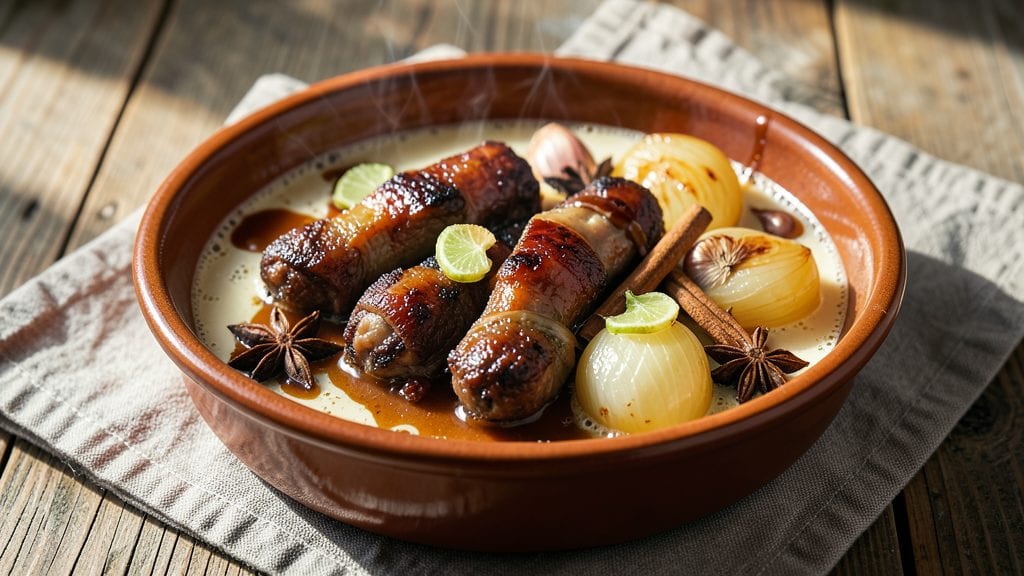
Transforming tough beef feet into restaurant-quality gelatinous richness requires patience and precision—this slow-braised method delivers melt-in-your-mouth texture with deep umami flavor. The key lies in proper preparation: blanching to remove impurities, then simmering for hours until collagen dissolves into a velvety broth.
I’ve perfected this technique over years of testing, ensuring every bite is tender yet firm enough to hold its shape.
This recipe transforms humble beef feet into a luxurious centerpiece, packed with collagen-rich gelatin that elevates any meal. Start with a 6-8 hour braise in aromatic broth (garlic, ginger, soy sauce, and star anise), then finish with a 30-minute reduction to intensify flavors.
The result? A dish so rich it feels like a celebration, yet simple enough for weeknight dinners when paired with steamed rice or roasted vegetables.
What makes this recipe stand out is its versatility—serve the feet whole for dramatic presentation, shred them into stews for extra depth, or use the reduced broth as a base for soups.
The gelatinous texture is the star, but the complex seasoning ensures every bite is satisfying. For bold eaters, this is comfort food redefined—foolproof, restaurant-quality, and impossible to resist.
Ready to tackle this project? The process may seem daunting at first, but the payoff—a dish that feels indulgent yet homemade—is worth every minute. Let’s get started with the step-by-step method that guarantees success.
Ingredients for beef feet
Four pounds of beef feet transform into luxurious gelatinous bites through slow braising and aromatic spices.
| Ingredient | Amount | Notes |
|---|---|---|
| Beef Feet 🦵 | 4 lb | Whole, cleaned and blanched |
| Yellow Onions 🧅 | 2 whole | Cut into wedges, skins on |
| Garlic Cloves 🧄 | 8 cloves | Crushed, not minced |
| Fresh Ginger 🌿 | ½ cup | Thinly sliced, peeled |
| Star Anise Pods 🌟 | 4 whole | Lightly crushed |
| Cinnamon Sticks 🌿 | 2 whole | 2-inch pieces |
| Bay Leaves 🍃 | 4 whole | Fresh preferred |
| Kosher Salt 🧂 | 2 tbsp | Diamond Crystal preferred |
| Black Peppercorns 🌶️ | 1 tbsp | Coarsely crushed |
| Dry Sherry 🍷 | ½ cup | Substitute with red wine |
| Soy Sauce 🥢 | ¼ cup | Japanese-style preferred |
| Beef Broth 💧 | 4 cups | Homemade or high-quality |
| Red Wine Vinegar 🍋 | 2 tbsp | For final reduction |
| Sesame Oil 🫒 | 1 tbsp | For finishing, optional |
The beef feet are the foundation—look for plump, intact joints with minimal odor, indicating freshness. Whole Foods Market or specialty butchers carry the best quality, often pre-cleaned but requiring blanching to remove impurities. If you're buying from a regular grocery store, Costco's bulk selection offers excellent value. The blanching step (boiling for 10 minutes) removes blood and surface impurities, ensuring a cleaner final product. For optimal texture, avoid pre-cut or pre-cooked feet—they lack the collagen-rich structure needed for gelatinous perfection.
No dry sherry? Red wine or additional beef broth works equally well, though sherry adds a subtle depth. Star anise and cinnamon are non-negotiable for the aromatic base—Penzeys Spices sells them whole, which is ideal. Fresh ginger and garlic should be vibrant, with no signs of sprouting or discoloration. The soy sauce must be Japanese-style (like Kikkoman) for proper umami balance. For the final reduction, balsamic vinegar can substitute red wine vinegar, though it adds a slightly sweeter note. If using pre-minced garlic, toast it first to deepen the flavor—just 30 seconds in a dry pan.
Store the braised beef feet in their cooking liquid for up to 5 days in the refrigerator, or freeze for 3 months. The gelatinous texture improves with time, so plan ahead. For serving, reheat gently in the broth to maintain moisture. The reduced sauce can be kept separately for 1 week in the fridge, or frozen for 6 months. Portion the feet into individual containers for easy reheating—ideal for meal prep or special occasions. The broth alone makes an excellent base for soups or stews, so consider doubling the recipe if you plan to use it liberally.
Why You'll Love This Recipe
- One-Pot Magic: I swear by this—just toss the beef feet, onions, and spices into a pot, add water, and let it simmer. No chopping, no fuss, no extra pans. Honestly, the hardest part is waiting for that rich, gelatinous broth to form.
- Deep Umami Bomb: That combo of star anise and ginger? It’s like a flavor explosion in your mouth. The beef feet turn tender and develop this ridiculously satisfying depth—crispy edges, melt-in-your-mouth centers, and a broth that tastes even better the next day.
- Meal Prep MVP: Between us, this is my lazy Sunday secret. Cook a big batch, and you’ve got a week’s worth of lunches, soups, or even ramen upgrades. My kids grab it straight from the fridge—no reheating drama, just pure satisfaction.
- Budget Game-Changer: Beef feet are the ultimate stretch—you get so much meat for the price, and the broth? Liquid gold. I make it when I’m pinching pennies, and somehow, it always feels like a fancy meal. (Yes, even on a Tuesday night.)
Step-by-step instructions for slow-braised beef feet
Aromatic spices and slow braising transform tough beef feet into melt-in-your-mouth gelatinous richness.
Prepare the Beef Feet for Braising
Rinse the 4 lb beef feet thoroughly under cold water to remove any debris, then scrub with a stiff brush to ensure complete cleanliness. This step is critical—any remaining dirt will cloud your broth and affect flavor. Place the cleaned feet in a large pot and cover with cold water by at least 2 inches. Bring to a boil over high heat, then immediately reduce to a simmer and cook for 15 minutes.
Drain the feet and repeat the boiling process once more. This blanching step removes impurities and prepares the collagen for optimal extraction during braising. After the second boil, drain again and set aside. The feet should now be clean and ready for the aromatic build.
Build the Aromatic Base
In a large, heavy-bottomed Dutch oven, combine the 2 whole yellow onions (cut into wedges, skins on) with the 8 crushed garlic cloves, 0.5 cup thinly sliced fresh ginger, 4 lightly crushed star anise pods, 2 cinnamon sticks, and 4 whole bay leaves. Toast these aromatics over medium heat for 5 minutes, stirring occasionally, until the onions soften and release their natural sweetness. This step develops deep, complex flavors that will infuse the beef feet.
Add the 2 tbsp kosher salt and 1 tbsp coarsely crushed black peppercorns, stirring to coat the aromatics evenly. The salt will begin to draw out moisture, while the peppercorns add a subtle warmth that complements the earthy notes of the beef. Let the mixture toast for an additional 2 minutes until fragrant.
Deglaze and Combine Liquids
Pour in the 0.5 cup dry sherry and scrape the bottom of the Dutch oven with a wooden spoon, ensuring you capture all the browned bits clinging to the surface. These caramelized fragments are packed with flavor. Allow the sherry to simmer for 3 minutes until it reduces by half, intensifying its richness. Next, add the 0.25 cup soy sauce and stir well to incorporate.
Gradually pour in the 4 cups beef broth, stirring to combine. The liquid should now cover the beef feet by at least 1 inch. Bring the mixture to a gentle simmer over medium-low heat, then reduce to the lowest setting possible—just enough to maintain a bare bubble at the surface. This slow, controlled simmer is essential for breaking down the collagen and creating the signature gelatinous texture.
Braise to Perfection
Place the blanched beef feet into the Dutch oven, ensuring they are fully submerged in the liquid. Cover the pot tightly with a lid and transfer to a preheated 300°F oven. Braise for 3 hours, then carefully check the tenderness of the feet by inserting a fork or skewer into the thickest part. The meat should be fork-tender, with the collagen beginning to dissolve into the broth.
If the liquid level has reduced significantly, add hot water (not cold) to maintain coverage. This prevents the feet from drying out and ensures even cooking. After 3 hours, remove the pot from the oven and let it rest, covered, for 15 minutes. This resting period allows the flavors to meld and the meat to absorb the surrounding liquid.
Finish and Serve
Return the Dutch oven to the stovetop and bring the liquid to a gentle simmer over low heat. Stir in the 2 tbsp red wine vinegar and simmer for an additional 5 minutes to brighten the flavors and balance the richness. Remove the beef feet and set them aside, reserving the braising liquid. Drizzle the 1 tbsp sesame oil over the feet for a glossy finish and additional depth of flavor.
Slice the beef feet into ½-inch thick pieces and serve them directly from the Dutch oven, surrounded by the aromatic braising liquid. The result should be tender, gelatinous meat with a deep, umami-rich broth infused with the toasted spices. Serve immediately with steamed rice or crusty bread to soak up every last drop of the flavorful liquid.
Pro Tips For Making Beef Feet
- BLANCH FIRST, SIMMER LONG: I learned this the hard way—skipping the initial 30-minute boil in fresh water with salt and a splash of vinegar leaves your beef feet tougher and less flavorful. After that, move to your braising liquid and let it slow-cook for 3+ hours until the meat falls off the bone.
- PEEL GINGER LIKE A PRO: Fresh ginger loses its bite when over-sliced. Instead of mincing, use a spoon to scoop out thin shavings along the grain—just enough to perfume the broth without turning it bitter. (Yes, even if you're impatient like me.)
- DON’T CROWD THE POT: Beef feet need room to brown, not steam. If your pot’s too snug, they’ll turn gray and soggy. Start with a single layer on medium-high heat—let them sear for 5 minutes per side before adding liquid.
- STAR ANISE: CRUSH, DON’T WHOLE: Whole star anise pods float like decorative nonsense. Lightly crush them with a mortar or rolling pin to release their aniseed oil—this makes a real difference in aroma. Just don’t pulverize them, or you’ll end up with gritty soup.
Flavor customization for beef feet
Spicy Umami Kick
For a bold, spicy twist, add 1 tbsp gochujang (Korean fermented chili paste) to the braising liquid during the final 30 minutes of cooking. The heat from the chili balances the richness of the beef feet beautifully.
I also recommend finishing with 1 tsp chili crisp (like Lao Gan Ma) and a sprinkle of sesame seeds for texture and extra depth. 🌶️
Sweet and Tangy Glaze
Create a caramelized glaze by reducing ¼ cup honey with 2 tbsp soy sauce> and 1 tbsp rice vinegar> in a small saucepan until syrupy. Brush this glaze over the beef feet during the last 15 minutes> of braising.
The sweetness cuts through the richness while adding a glossy finish. Pair with a sprinkle of toasted black sesame seeds> for contrast.
Herb-Infused Freshness
Brighten the dish with fresh herbs like cilantro> or Thai basil> by adding them to the braising liquid during the final 10 minutes> of cooking.
For a Mediterranean twist, use fresh rosemary> and thyme>, which pairs wonderfully with the umami depth. Garnish with extra herbs before serving to elevate the presentation.
Smoky Charred Crust
For a smoky depth, finish the beef feet under a broiler> for 2-3 minutes> until lightly charred. This technique adds a restaurant-quality texture while intensifying the flavors.
Alternatively, sear the feet in a cast-iron skillet> over high heat> for 1 minute per side> before serving for a crispy exterior.
Creamy Coconut Twist
Stir ½ cup coconut milk> into the braising liquid during the last 20 minutes> of cooking for a creamy, tropical-inspired variation. The coconut milk’s richness complements the gelatinous texture while adding a subtle sweetness.
Garnish with toasted coconut flakes> and a drizzle of lime juice> for a refreshing contrast.
Garlic and Chili Oil Finish
Infuse ½ cup neutral oil> with 6 minced garlic cloves> and 1 tbsp red chili flakes> by heating gently for 5 minutes> until fragrant. Drizzle this oil over the finished beef feet and toss to coat.
The garlic adds aromatic depth, while the chili oil delivers a fiery kick that cuts through the richness. 🔥
Nutrition facts
Frequently asked questions
How do I know if beef feet are fresh and suitable for cooking?
Look for plump, intact joints with minimal odor—fresh beef feet should smell clean, not fishy or ammonia-like. The skin should be smooth and slightly glossy, not dried out or discolored. Check the eyes (if present) for clarity, and avoid any feet with cracks or excessive brown spots. When in doubt, ask your butcher for the freshest cut available.
Can I cook beef feet without blanching first?
While not strictly necessary, blanching removes impurities and improves texture. Skipping it may leave your broth cloudy or impart a stronger off-flavor. If you're short on time, give the feet a 10-minute boil in cold water with 1 tbsp vinegar to help break down surface proteins. Just be prepared for slightly less pristine results.
What's the best way to store leftover braised beef feet?
Store the feet in their braising liquid in an airtight container for up to 5 days in the fridge, or freeze for 3 months. The gelatinous texture actually improves with time! For reheating, warm gently in the broth over low heat—never microwave directly, as this can make the meat tough. The reduced sauce keeps separately for 1 week refrigerated.
How can I make the beef feet extra tender?
For maximum tenderness, extend the braising time to 6-8 hours at 300°F, adding hot water as needed to keep them submerged. The collagen needs time to fully dissolve—don't rush it! For an even richer texture, add 1 tbsp apple cider vinegar to the braising liquid, which helps break down connective tissue. Patience is key here!
Are there any vegetarian alternatives to beef feet?
While no perfect substitute exists, you can mimic the gelatinous texture using agar-agar (a seaweed derivative) or mushroom stems (like king oyster) simmered long enough to soften. For umami depth, use shiitake mushrooms and soy sauce in your braising liquid. Just note that vegetarian versions won't have the same collagen-rich richness.