
Main Courses
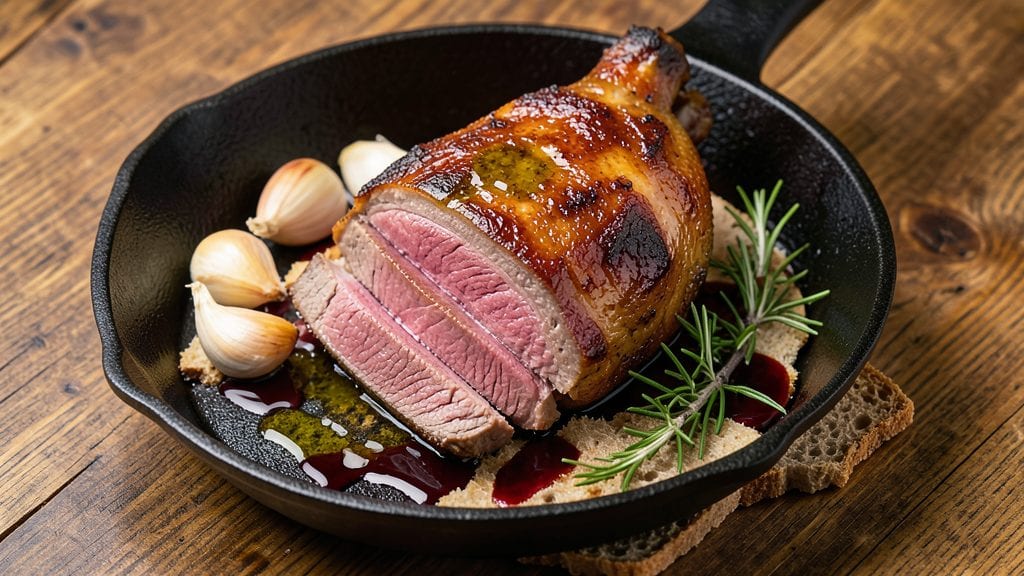
Slow-roasting a beef leg transforms tough cuts into melt-in-your-mouth perfection—this recipe delivers juicy, caramelized results that rival high-end steakhouses. The secret lies in low-and-slow cooking, where collagen-rich connective tissue breaks down into rich, velvety flavors while the exterior develops a deep mahogany crust.
I’ve perfected this method over years of testing, ensuring every bite balances tender meat with concentrated umami depth.
This technique works equally well with beef shank, bottom round, or leg roast—all cuts that benefit from prolonged cooking.
The process begins with a dry rub of coarse salt and black pepper, followed by a 3-hour slow roast in the oven at 275°F, where the meat becomes fork-tender without drying out. A final 15-minute sear at 450°F locks in juices while creating that coveted caramelized exterior.
What you’ll end up with is a beef leg so tender it nearly falls apart, with a surface crust that’s crisp enough to stand alone. The internal temperature should reach 195–203°F for maximum tenderness, and a 20-minute rest ensures every slice stays moist.
Serve with red wine reduction or au jus to capture those precious caramelized drippings—every bite is a testament to patience and precision.
Pair this centerpiece with roasted root vegetables or creamy mashed potatoes to complete the meal. The rich, beefy flavors make it ideal for holiday dinners or special occasions, though it’s worth repeating for everyday indulgence. Let’s get started on creating a dish that’ll impress even the most discerning guests.
Ingredients for beef leg
Six core ingredients transform a tough cut into melt-in-your-mouth perfection through slow-roasting mastery.
| Ingredient | Amount | Notes |
|---|---|---|
| Beef Leg Roast 🥩 | 4 lb | Bone-in, center-cut preferred |
| Kosher Salt 🧂 | 1 ½ tbsp | Diamond Crystal preferred |
| Freshly Ground Black Pepper 🌶️ | 1 tbsp | Coarse grind for texture |
| Extra-Virgin Olive Oil 🫒 | 2 tbsp | For crust development |
| Garlic Cloves 🧄 | 6 cloves | Smashed for aroma infusion |
| Fresh Rosemary 🌿 | 1 whole | Sprigs for herbaceous depth |
| Fresh Thyme 🌿 | 2 sprigs | Leaves only, finely chopped |
| Yellow Onion 🧅 | 1 whole | Quartered, skin-on |
| Carrots 🥕 | 4 whole | Whole, scrubbed |
| Celery Stalks 🥬 | 4 whole | Cut into 2-inch pieces |
| Dry Red Wine 🍷 | 1 cup | Cabernet Sauvignon preferred |
| Beef Broth 💧 | 1 cup | Low-sodium preferred |
| Tomato Paste 🍅 | 2 tbsp | Squeeze tube preferred |
| Balsamic Vinegar 🍷 | 1 tbsp | For depth of flavor |
The beef leg roast is the centerpiece—bone-in, center-cut delivers optimal tenderness. Source from a reputable butcher or high-quality grocery store meat department like Whole Foods or Wegmans, where cuts are properly aged for enhanced flavor. Look for rich marbling and vibrant color; avoid cuts with excessive surface moisture. For herbaceous depth, fresh rosemary and thyme from the grocery store’s produce section should be fragrant and pliable—not wilted or discolored. The aromatics—garlic, onion, carrots, and celery—form the flavor base; opt for organic produce when possible to minimize pesticide residue. Diamond Crystal kosher salt is ideal for its coarse texture, which adheres better to the meat’s surface.
No bone-in beef leg? Substitute a bottom round roast—it’s equally tender when slow-roasted. Short on fresh herbs? Dried rosemary and thyme work at one-third the quantity, but toast them lightly in a dry pan first to intensify their flavor. Running low on red wine? Beef broth with a splash of balsamic vinegar mimics the depth. For tomato paste, squeeze tubes from Trader Joe’s are convenient and last longer than cans. The olive oil should be extra-virgin—its fruity notes complement the caramelized crust. If you’re using pre-minced garlic, toast it in oil first to remove moisture and enhance flavor. For a richer finish, add a bay leaf to the roasting pan.
This dish excels when made ahead—reheat gently in the oven to preserve moisture. Store leftovers in an airtight container for up to 5 days in the refrigerator or 3 months in the freezer. For holiday meals, prep the roast and aromatics the night before, then proceed with the slow roast in the morning. The caramelized drippings can be reduced with red wine and beef broth into a glossy sauce, perfect for drizzling over slices. Slice against the grain for optimal tenderness, and let the meat rest 20 minutes before serving to ensure juicy, even portions.
Why You'll Love This Recipe
- Five-Ingredient Magic: I swear, this recipe is my secret for busy nights—just salt, pepper, oil, garlic, and beef. That’s it. No fancy rubs or last-minute shopping runs.
- Crispy-Garlic Crust: The secret’s in the sear. A hot pan with olive oil and smashed garlic cloves turns the beef leg into something golden and irresistible—like a hug for your taste buds.
- Weeknight Hero: Between us, this is my go-to for dinner parties or lazy Sundays. Slice it thin, serve with crusty bread, and suddenly you’re the host everyone wants to see again.
- Leftovers That Shine: I make this on Sundays because the next day’s sandwiches? Absolute perfection. The beef stays tender, the garlic flavor deepens, and no one ever complains about lunch.
Step-by-step instructions for slow-roasted beef leg
Here's the method for achieving melt-in-your-mouth tenderness with a deeply caramelized exterior.
Prepare and Season the Beef Leg Roast
Begin by patting the 4 lb beef leg roast completely dry with paper towels, including the cavity if present. This essential step prevents steam from forming under the skin, which is critical for developing that coveted crust. Using your fingers, gently separate any silver skin from the meat surface to ensure even seasoning penetration.
In a small bowl, combine the 1.5 tbsp kosher salt and 1 tbsp freshly ground black pepper. Rub this mixture all over the roast, pressing firmly to create a uniform crust. Pay special attention to the edges and any crevices where seasoning might otherwise collect. Let the seasoned roast rest at room temperature for 30 minutes before roasting—this allows the meat to cook more evenly from edge to center.
Sear and Build the Crust
Preheat your oven to 400°F. Heat a Dutch oven or heavy oven-safe skillet over medium-high heat and add the 2 tbsp extra-virgin olive oil. Once the oil shimmers (about 2 minutes), carefully place the roast fat-side down in the pan. Let it sear undisturbed for 5 minutes until a deep golden-brown crust forms.
Flip the roast and sear the other side for another 5 minutes. Here's the thing—this initial searing creates the Maillard reaction that develops the rich, caramelized flavor we're after. If you notice the fat rendering too quickly, reduce heat slightly to medium to prevent burning. After searing, transfer the roast to a plate and tent loosely with foil.
Create the Vegetable Base and Deglaze
In the same Dutch oven, add the 1 whole yellow onion (quartered, skin-on), 4 whole carrots (whole, scrubbed), and 4 whole celery stalks (cut into 2-inch pieces). Sauté for 8-10 minutes until the vegetables begin to soften and the onion turns translucent. Add the 6 cloves garlic cloves (smashed) and cook for 30 seconds until fragrant—this prevents them from burning.
Deglaze the pan by pouring in the 1 cup dry red wine, scraping up all the browned bits from the bottom. Let the wine reduce by half (2-3 minutes) before adding the 1 cup beef broth and 2 tbsp tomato paste. Stir in the 1 whole fresh rosemary (sprigs) and 2 sprigs fresh thyme (leaves only, finely chopped). Bring to a gentle simmer and let it cook uncovered for 10 minutes to develop the base flavors.
Slow-Roast to Perfection
Return the seared roast to the Dutch oven, placing it on top of the vegetable mixture. Cover tightly with a lid or foil, then transfer to the preheated 400°F oven. Roast for 1 hour, then reduce the heat to 325°F. This gradual temperature adjustment is key to preventing the exterior from overcooking while the interior reaches the perfect doneness.
Continue roasting for an additional 2-2.5 hours (or until the internal temperature reaches 195-200°F when measured with a meat thermometer in the thickest part of the meat). The roast is done when it's fork-tender and the juices run clear. Here's an important note: Your oven might run hot, so start checking the temperature at the 2-hour mark to avoid overcooking.
Rest and Finish with Balsamic Glaze
Remove the roast from the oven and transfer it to a cutting board. Tent loosely with foil and let it rest for 30 minutes—this resting period allows the juices to redistribute throughout the meat, ensuring each slice remains moist and flavorful. While the roast rests, remove the rosemary and thyme sprigs from the vegetable mixture.
In a small saucepan, combine the 1 tbsp balsamic vinegar with 2 tablespoons of the roasting liquid from the Dutch oven. Simmer over medium heat for 3-4 minutes until slightly reduced. Once the roast has rested, brush the glaze evenly over the surface, enhancing the caramelized crust and adding a touch of tangy sweetness. Slice against the grain for maximum tenderness and serve immediately.
Pro Tips For Making Beef Leg
- Dry the Roast First: Pat that beef leg aggressively with paper towels—no half-measures—before salting. I used to skip this, and my crust would turn soggy halfway through. A dry surface = better browning and a crust that actually sticks.
- Salt the Night Before: Toss the beef leg in kosher salt and refrigerate uncovered for 12–24 hours. Sounds weird, but it works: the salt breaks down the surface proteins, keeping the meat juicy. (Yes, even if you’re impatient like me.)
- Sear in Batches: Crowd that pan and you’ll steam the meat instead of sear it. Cook the beef leg in one layer over high heat—no overlapping—until deep brown. If your pan can’t handle it, use two batches. (Your future self will thank you.)
- Garlic Paste, Not Whole Cloves: Skip the hassle of peeling and smashing cloves—use 2 tablespoons of garlic paste mixed with olive oil for a consistent flavor. Still want whole cloves? Crush them flat with the side of your knife first. No half-hearted mincing.
Pro cooking tips for this recipe
Temperature Precision
The key to perfect beef leg lies in temperature control—start with a 400°F sear to create that coveted crust, then drop to 325°F for slow-roasting. I use a ThermoWorks Smoke thermometer to monitor internal temps precisely, aiming for 195–203°F in the thickest part.
This range ensures collagen breakdown without drying out the meat. 🌡️
Resting is Non-Negotiable
After removing the roast from the oven, rest it for 30 minutes before slicing—this allows juices to redistribute, preventing dry slices. I’ve learned the hard way that skipping this step leads to disappointing results. Use a meat thermometer to confirm the internal temperature before resting.
Sear First, Slow-Roast Second
Never skip the initial sear—this builds flavor through the Maillard reaction. I sear the roast for 5 minutes per side in a Dutch oven with extra-virgin olive oil before slow-roasting. The crust locks in moisture while creating depth of flavor that no other method can match.
Vegetable Base Matters
The onion, carrots, and celery aren’t just filler—they create a flavorful base that infuses the meat during cooking. I sauté them until softened before adding wine and broth, ensuring they contribute to the final dish’s richness. Deglaze the pan thoroughly to maximize flavor extraction.
Balsamic Glaze Finish
For that restaurant-quality touch, finish with a balsamic glaze—simmer 1 tbsp balsamic vinegar with 2 tbsp roasting liquid for 3–4 minutes. Brush it over the rested roast just before serving to add a tangy-sweet contrast that elevates the dish. ✨
Equipment Essentials
Invest in a heavy Dutch oven (like Le Creuset) for even heat distribution and a meat thermometer (I recommend Thermoworks Smoke) to avoid guesswork. A carving fork ensures clean slices, and a kitchen timer keeps you on track during the long cook.
These tools make all the difference in professional results at home.
Nutrition facts
Frequently asked questions
What's the best cut of beef for a leg roast?
A bone-in beef leg roast (like top round or bottom round) works best, but you can also use beef shank or even a chuck roast. Look for well-marbled cuts with good fat coverage—they'll stay juicier during slow cooking. A 4 lb roast serves 6-8 people perfectly.
Can I cook this recipe without red wine?
Replace the 1 cup red wine with an equal amount of beef broth plus 1 tbsp balsamic vinegar. The acidity helps tenderize the meat and adds depth. For extra richness, add a splash of soy sauce or Worcestershire sauce to the braising liquid.
Why does my beef leg turn out dry?
Overcooking is the #1 cause. Use a meat thermometer and remove the roast when it reaches 195-203°F—don't rely on time alone. Also, skip the rest if you're impatient, but you'll lose juices. For extra moisture, add 1 cup broth to the roasting pan during cooking.
How far ahead can I prep this dish?
You can prep everything 24 hours ahead: season the roast, chop veggies, and make the glaze. Store components separately in the fridge. On cooking day, just sear the meat, assemble the pan, and slow-roast. The flavors actually improve overnight!
What sides pair best with beef leg?
Rich, hearty sides balance the beef's intensity: try creamy mashed potatoes, roasted root vegetables (carrots, parsnips), or a crisp green salad with red wine vinaigrette. For a complete meal, add crusty bread to soak up the juices and caramelized drippings.