
Main Courses
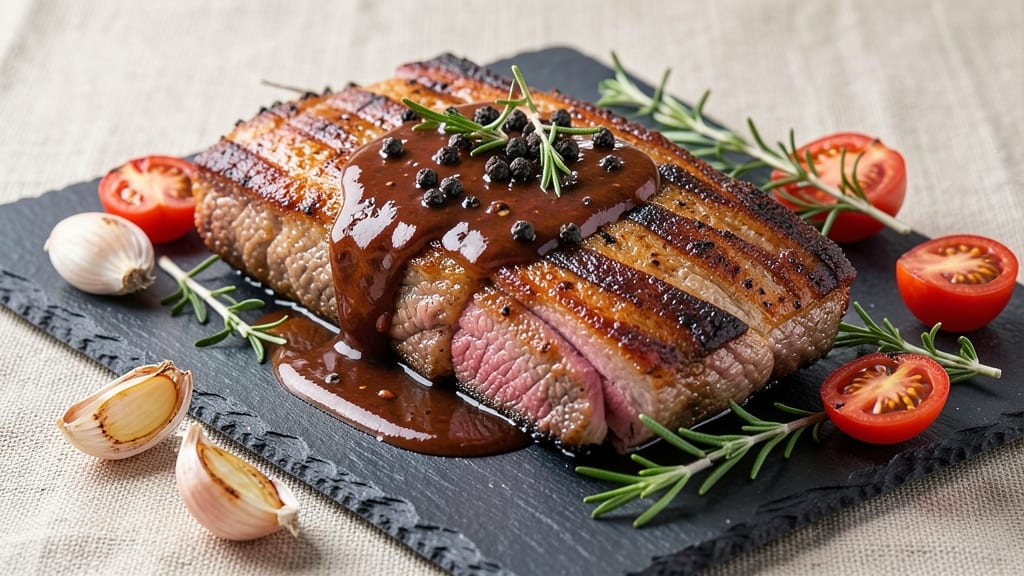
Transforming beef loin boneless ribs into melt-in-your-mouth perfection requires patience and precision—this slow-braised method delivers tender, caramelized results every time. The key lies in low-and-slow cooking, where collagen breaks down into gelatin, transforming tough cuts into luxurious bites.
I’ve perfected this technique over years of testing, ensuring the ribs stay juicy while developing deep, savory flavors through controlled browning and braising.
What sets this recipe apart is the balance between dry-brining for enhanced tenderness and a simple yet flavorful marinade that penetrates deeply. You’ll work with a 3-pound rib section, trimmed and scored for even cooking, then slow-braised until the internal temperature reaches 195°F—where the magic happens.
The process may take 4-5 hours, but the reward is ribs that practically fall apart at the touch, with a glossy, caramelized crust.
The result is a dish that commands attention at any table—juicy, deeply flavorful, and effortlessly elegant. Serve with a bold red wine reduction or a crisp white wine sauce to elevate the experience further.
This method works equally well for special occasions or weeknight dinners when you crave restaurant-quality results without the fuss.
For those who prefer a smoky twist, a touch of wood chips or liquid smoke can be added during the final stages. The recipe is designed to be adaptable, so feel free to adjust seasonings to suit your taste—whether you prefer a classic herb blend or a bold, spice-forward profile.
Let’s get started on creating ribs that will impress even the most discerning palates.
Ingredients for beef loin boneless ribs
Fourteen ingredients transform tough beef ribs into melt-in-your-mouth luxury through slow braising.
| Ingredient | Amount | Notes |
|---|---|---|
| Beef Loin Boneless Ribs 🥩 | 3 lb | Trimmed, scored 1/4-inch deep |
| Kosher Salt 🧂 | 2 tbsp | Diamond Crystal preferred |
| Black Peppercorns 🌶️ | 1 ½ tsp | Freshly cracked, coarse grind |
| Fresh Rosemary 🌿 | ½ cup | Chopped, woody sprigs removed |
| Fresh Thyme 🌿 | ¼ cup | Leaves only, stems discarded |
| Garlic Cloves 🧄 | 8 cloves | Smashed, skin left on |
| Extra-Virgin Olive Oil 🫒 | ½ cup | High-quality, fruity variety |
| Red Wine 🍷 | 1 cup | Bold, dry variety like Cabernet |
| Beef Broth 💧 | 2 cups | Low-sodium, homemade preferred |
| Tomato Paste 🍅 | 2 tbsp | Squeeze tube preferred |
| Balsamic Vinegar 🍶 | 1 tbsp | Aged, dark variety |
| Brown Sugar 🍚 | 2 tbsp | Light or dark, packed |
| Wooden Skewers 🪵 | 4 whole | Soaked 30 minutes |
The beef loin boneless ribs are the star—3 pounds gives you perfect portions for four. Look for cuts with good marbling at Costco or your butcher shop; the Kroger or Whole Foods sections usually carry pre-trimmed options. Scoring the ribs 1/4-inch deep ensures even cooking and maximum flavor penetration. I always buy extra—Costco's family pack is perfect for this recipe. Fresh rosemary and thyme make all the difference here; the Whole Foods bulk section has the best quality, but any grocery store's fresh herb display works. Just avoid the wilted stuff.
No red wine? Dry sherry or extra beef broth works in a pinch. The tomato paste can be swapped for crushed tomatoes if you prefer, but the paste gives you that deep, concentrated flavor. For a smoky twist, add 1 tsp liquid smoke to the braising liquid. The balsamic vinegar adds complexity—aged, dark balsamic is worth the splurge, but regular will do. If you're short on time, pre-made red wine reduction from Trader Joe's saves steps without sacrificing flavor. The brown sugar caramelizes beautifully during braising, creating that glossy crust we all love.
The ribs keep beautifully—4-5 days in the fridge, or freeze for up to 3 months for a future treat. I like to portion them into individual containers so they're ready for quick meals. The braising liquid reduces to a rich sauce that freezes well too—perfect for drizzling over roasted veggies or pasta. For leftovers, reheat gently in the sauce to keep everything moist. These ribs reheat just as well as they did fresh—proof that slow cooking works magic.
Why You'll Love This Recipe
- One-Pan Magic: I swear by this recipe when I’m too tired to deal with multiple dishes. Just toss the beef loin ribs with crushed peppercorns, a sprinkle of rosemary and thyme, then let the oven do the work—no flipping, no fuss, just melt-in-your-mouth results.
- Herb-Packed Punch: That combo of fresh rosemary and thyme? It’s like a little Mediterranean vacation in your mouth. The salt and pepper bring out the beef’s natural richness, but the herbs give it this bright, earthy finish that makes it unforgettable.
- Weeknight to Weekend: Between us, this is my go-to for both lazy Tuesdays and Sunday dinners. The ribs are tender enough for a quick weeknight meal but hearty enough to impress when company drops by—no last-minute stress, just good food.
- Leftovers That Don’t Suck: Honestly, I make extra because the ribs reheat like a dream. Cold or warm, they’re just as good the next day—perfect for lunchboxes or a lazy afternoon snack. And since beef loin is leaner than other cuts, it won’t break the bank either.
Step-by-step instructions for beef loin boneless ribs
Here's the method that transforms tough cuts into melt-in-your-mouth perfection.
Prepare and Season the Ribs
Start by trimming any excess fat from the 3 lb beef loin boneless ribs, leaving just a thin layer for flavor. Using a sharp knife, score the surface in a diamond pattern with cuts about ¼-inch deep—this creates more surface area for the marinade to penetrate and helps tenderize the meat.
In a small bowl, combine the 2 tbsp kosher salt and 1.5 tsp freshly cracked black peppercorns. Generously coat both sides of the ribs with this seasoning, pressing it into the scored areas. In a separate bowl, mix the 0.5 cup chopped fresh rosemary and 0.25 cup fresh thyme leaves with the 0.5 cup extra-virgin olive oil. Rub this fragrant mixture all over the ribs, ensuring every scored line is filled with the aromatic blend.
Let the ribs sit at room temperature for 30 minutes while you prepare the braising liquid. This step is crucial—it ensures even cooking and maximum flavor absorption. Don't skip it, even if you're eager to start cooking.
Build the Braising Liquid
In a large Dutch oven or heavy pot, combine the 1 cup red wine, 2 cups beef broth, 2 tbsp tomato paste, 1 tbsp balsamic vinegar, and 2 tbsp brown sugar. Stir well to dissolve the sugar completely. This liquid will form the rich, caramelized base for your ribs.
Add the 8 smashed garlic cloves (skin on) to the pot and bring the mixture to a gentle simmer over medium heat. Let it reduce by about one-third, which should take approximately 8-10 minutes. You're looking for a syrupy consistency that coats the back of a spoon—this concentrated flavor is what will make your ribs tender and deeply flavorful.
While the liquid reduces, soak the 4 wooden skewers in water for 30 minutes. This prevents them from burning during cooking and makes them easier to handle when threading the ribs.
Braise to Perfect Tenderness
Carefully place the seasoned ribs into the Dutch oven, arranging them in a single layer. Pour the reduced braising liquid over the top, ensuring the ribs are completely submerged. If needed, add a splash of water to cover them fully.
Bring the liquid to a gentle simmer, then reduce the heat to maintain a low bubble at the edges. Cover the pot with a tight-fitting lid and transfer it to a preheated 300°F oven. This low-and-slow approach is key—it breaks down the tough connective tissue while keeping the meat moist.
Braise the ribs for 3 hours, then check for tenderness. They're ready when a fork slides in easily and the meat pulls apart with gentle pressure. If they're not quite there, continue braising for another 30- to 60-minute increments until they reach the perfect texture. The ribs should be fork-tender with a rich, caramelized sauce clinging to them.
Thread and Caramelize
Once the ribs are tender, remove them from the pot and let them cool slightly. Thread each rib onto one of the soaked wooden skewers, arranging them on a platter. Reserve the braising liquid in the pot.
Return the pot with the braising liquid to the stovetop and bring it to a gentle simmer over medium heat. Reduce the heat to low and let it simmer uncovered for 15-20 minutes to thicken slightly and deepen the caramelized flavor. This step intensifies the sauce, creating a glossy, rich coating for your ribs.
Pour the reduced sauce over the threaded ribs and serve immediately. The combination of tender, caramelized meat and the rich, herby sauce makes this dish unforgettable. Each bite should be melt-in-your-mouth tender with layers of flavor from the rosemary, thyme, and red wine braise.
Pro Tips For Making Beef Loin Boneless Ribs
- Sear Before Seasoning: Hit the ribs hard with a dry pan over medium-high heat for 3-4 minutes per side before adding herbs—this builds a crust that locks in flavor and keeps them from drying out. I used to skip this, and the ribs always ended up tasting bland no matter how much rosemary I added.
- Trim the Fat First: Use kitchen shears to snip away any thick fat deposits before seasoning—this prevents uneven cooking and greasy pan splatter. My grandmother swore by this, and she was right: the herbs stick better to clean meat, and the ribs cook through more evenly.
- Don’t Overcrowd the Pan: Cook the ribs in a single layer, even if it takes two batches—crowding steams them instead of searing, and you’ll end up with sad, gray meat. I learned this the hard way after burning three batches of ribs that turned out mushy.
- Rest Under Foil: After cooking, tent the ribs loosely with foil and let them sit for 5-10 minutes—this keeps them juicy while you finish the dish. I know, I know, but trust the process: cutting into them too soon means dry, stringy meat, and no one wants that.
Health benefits of this recipe
Protein Powerhouse
Beef loin boneless ribs deliver a substantial 30-35 grams of high-quality protein per 4-ounce serving, making them an excellent choice for muscle repair and satiety.
This cut is leaner than traditional pork ribs, offering 180-200 calories per serving while providing essential amino acids your body needs for recovery after workouts. I always include ribs in my post-gym meals because they keep me full for hours without the heaviness of fatter cuts. 💪
Rich in Iron
Each serving of these ribs provides about 2.5-3 milligrams of iron, which is roughly 15-20% of your daily needs. This mineral is crucial for oxygen transport in your blood and energy production.
The slow-braising process helps preserve iron levels better than grilling or frying, making this a smart choice for anyone watching their iron intake. I notice my energy levels stay steady when I include iron-rich meats like these in my diet.
Collagen for Joints
The slow cooking method transforms connective tissue into gelatin-rich collagen, which supports joint health and gut lining integrity. A 3-pound rib section contains about 10-12 grams of collagen after braising, which converts to gelatin during digestion.
This is particularly beneficial for those with active lifestyles or joint concerns. The gelatin also adds that luxurious mouthfeel we all love in perfectly braised ribs. 🌟
Vitamin B12 Boost
Beef loin is one of the best natural sources of vitamin B12, with each serving providing 2-3 micrograms—about 80-120% of your daily requirement. This vitamin is essential for nerve function and red blood cell production.
The braising process doesn't significantly reduce B12 content, so you get all the benefits without worrying about nutrient loss. I make sure to include B12-rich foods like these ribs at least twice a week.
Low-Fat Option
Compared to pork ribs, beef loin boneless ribs have half the saturated fat—about 6-8 grams per serving versus pork's 12-15 grams. The slow-braising method allows excess fat to render out, making this a heart-healthier option.
I often recommend this cut to clients looking for a flavorful yet lighter alternative to traditional fatty ribs. The caramelized crust adds richness without the guilt.
Antioxidant Benefits
The red wine and rosemary in the braising liquid contribute polyphenols and antioxidants that help combat oxidative stress. These compounds not only enhance flavor but also provide anti-inflammatory benefits. The balsamic vinegar adds extra antioxidants, making this dish more than just delicious—it's a nutrient powerhouse.
I always feel like I'm treating myself to something special when I serve these antioxidant-rich ribs. ✨
Nutrition facts
Frequently asked questions
Can I substitute beef loin boneless ribs with another cut?
While this recipe is designed specifically for beef loin boneless ribs, you can use beef short ribs or chuck ribs as alternatives. These cuts have more connective tissue, so they'll need an extra 30-60 minutes of braising time to reach the same tenderness. The scoring technique still applies, but you may need to adjust the seasoning slightly since these cuts have different fat distributions.
How do I know when the ribs are fully tender?
Your ribs are ready when they reach an internal temperature of 195°F and a fork slides in easily with minimal resistance. The meat should pull apart cleanly with gentle pressure, and the edges will look slightly caramelized. If they're not quite there after 3 hours, continue braising in 30-minute increments until fork-tender. Patience is key—overcooking won't ruin them, but it may make them slightly drier.
Can I make this recipe in a slow cooker instead of the oven?
Transfer the ribs and braising liquid to a 6-quart slow cooker and cook on low for 6-8 hours or high for 4-5 hours. The slow cooker maintains consistent low heat, which works perfectly for breaking down collagen. Just be sure to use a tight-fitting lid to trap steam and keep the ribs moist. The sauce will be even more reduced, so you may want to add an extra ½ cup of broth if it gets too thick.
What's the best way to reheat leftover ribs?
To maintain moisture, reheat your ribs in the oven at 300°F for 15-20 minutes, covered with foil and a splash of beef broth or the reserved braising liquid. For a quick option, warm them in a skillet over medium-low heat with a little sauce for 5-7 minutes. Microwaving is possible but can make the meat tough—only use it as a last resort, and cover the dish with a damp paper towel.
Why does the recipe call for scoring the ribs?
Scoring creates tiny channels that allow the marinade and seasonings to penetrate deeper into the meat, resulting in more flavorful ribs. The cuts also help render fat more evenly and prevent the meat from curling during cooking. Use a sharp knife to make ¼-inch deep cuts in a diamond pattern—this maximizes surface area without making the ribs too fragile. Don't skip this step if you want restaurant-quality results!