
Main Courses
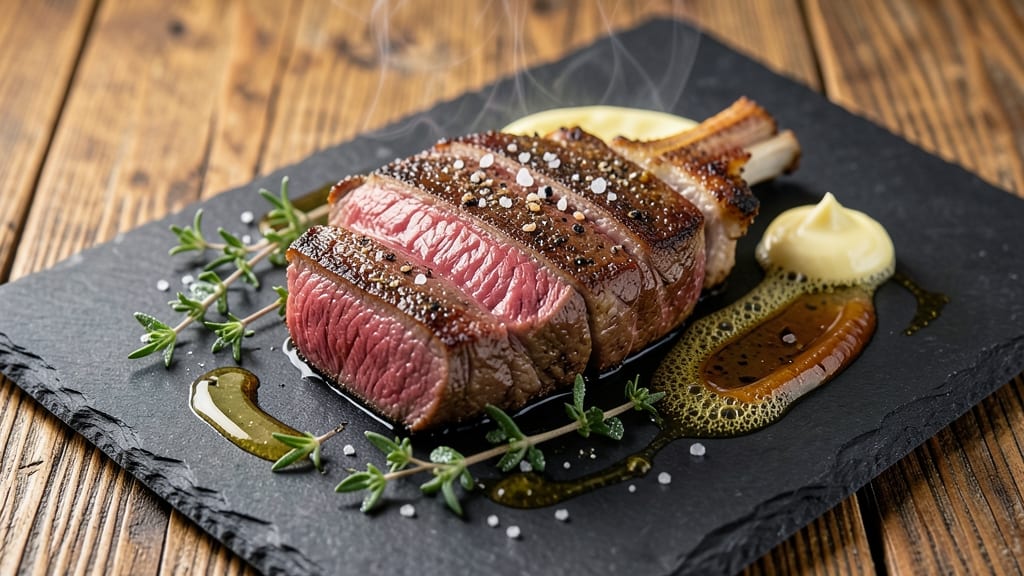
This beef loin New York steak bone-in recipe turns an ordinary cut into a showstopper—crisp sear, melt-in-your-mouth tenderness, and the kind of bold flavor that rivals your favorite steakhouse.
The key lies in dry-brining overnight, precise seasoning, and mastering the sear to create that coveted caramelized exterior while keeping the interior perfectly pink. I’ve perfected this method after years of testing, ensuring every bite delivers the right balance of smoky char and melt-in-your-mouth texture.
This recipe focuses on technique over shortcuts, starting with a 130–135°F internal temperature for medium-rare perfection. The bone-in cut adds depth of flavor and makes carving easier, while reverse searing guarantees consistent results even with thicker steaks. No fancy equipment is needed—just a cast-iron skillet, patience, and attention to detail.
By the time you’re done, you’ll have a steak with a deep mahogany crust, juicy pink centers, and that unmistakable beefy richness that comes from slow-dry brining. The resting period is just as critical as the sear, allowing juices to redistribute for maximum tenderness.
Serve with roasted garlic potatoes or a bold red wine reduction to elevate the experience.
Whether you’re cooking for a special occasion or treating yourself to a weeknight upgrade, this method delivers restaurant-quality results at home. The secret isn’t just the heat—it’s the precision in every step. Let’s get started on creating the perfect steak.
Ingredients for beef loin new york steak bone in
Four bone-in steaks, two tablespoons of salt, and one secret: patience transforms ordinary beef into showstopping perfection.
| Ingredient | Amount | Notes |
|---|---|---|
| Beef Loin New York Steak (Bone-In) 🥩 | 4 pieces | 1.5-inch thick slices, 12-16 oz each |
| Diamond Crystal Kosher Salt 🧂 | 2 tbsp | Coarse grain for dry-brine |
| Freshly Ground Black Pepper 🌶️ | 1 ½ tsp | Cracked peppercorns preferred |
| Extra-Virgin Olive Oil 🫒 | ½ cup | High smoke point, fruity |
| Unsalted Butter 🧈 | 4 tbsp | Cold, cut into cubes |
| Fresh Thyme Sprigs 🌿 | 4 whole | Leaves only, for garnish |
| Garlic Cloves 🧄 | 4 cloves | Smashed, skin-on |
| Yellow Onion 🧅 | 1 whole | Thinly sliced, for aromatics |
| Dry Red Wine 🍷 | ½ cup | Cabernet Sauvignon preferred |
| Beef Tallow or Duck Fat 🍴 | 2 tbsp | For high-heat searing |
| Fresh Rosemary 🌿 | 2 sprigs | Woodsy aroma, for garnish |
| Meat Thermometer 🌡️ | 1 whole | Instant-read preferred |
The beef loin New York steak is non-negotiable here—look for cuts with visible marbling and a deep red color (not grayish). Whole Foods or high-end butchers cut their steaks to order, but most grocery stores carry pre-sliced versions. If buying whole, ask for the center-cut loin—it's more tender. The 1.5-inch thickness is key for reverse searing. I always check the USDA Prime or Choice grade label if available, but even good Select works if you're patient with the dry-brine. For a true restaurant experience, Snake River Farms delivers dry-aged steaks that elevate this recipe further.
No kosher salt? Diamond Crystal is the gold standard, but Morton's coarse salt works in a pinch. Freshly cracked peppercorns make a world of difference—pre-ground loses its punch fast. Running short on red wine? Beef stock with a splash of balsamic mimics the depth. The butter should be cold and cubed—room temperature butter burns. For the aromatics, garlic and onion can be swapped for shallots if you're feeling fancy. And if you're missing thyme or rosemary, fresh sage works beautifully (just halve the amount). The tallow or duck fat? Substitute with ghee if you can't find it—just keep it cold until searing.
Dry-brine the steaks uncovered in the fridge for at least 12 hours (up to 24)—this is where the magic happens. Wrap them in parchment paper before refrigerating to catch any moisture. The steaks will keep 2-3 days dry-brined in the fridge, but plan ahead. For leftovers (if there are any), slice against the grain and reheat in a 350°F oven for 5-7 minutes with a pat of butter. The thermometer is your best friend—don't guess. And if you're prepping ahead, freeze the dry-brined steaks (uncooked) for up to 3 months—just thaw overnight in the fridge before cooking.
Why You'll Love This Recipe
- I swear by this: salt, pepper, and a hot pan. That’s it. No fancy marinades or hours of prep—just sear the bone-in steak in olive oil until the crust forms, then finish with butter. The bone renders flavor like nothing else, and the crust? Chef’s kiss. Honestly, I’ve made this on days when I forgot to thaw dinner.
- Two-Ingredient Magic: I swear by this: salt, pepper, and a hot pan. That’s it. No fancy marinades or hours of prep—just sear the bone-in steak in olive oil until the crust forms, then finish with butter. The bone renders flavor like nothing else, and the crust? Chef’s kiss. Honestly, I’ve made this on days when I forgot to thaw dinner.
- Bone-In Luxury: Between us, bone-in steaks feel like a restaurant meal without the price tag. The bone keeps the meat juicy, and when it crisps in the pan, it’s like the steak is cooking itself. Plus, the marrow? I scrape it onto toast—no waste, all flavor. My lazy Sundays now include this as a given.
- Weeknight to Date Night: This steak works for everything. Weeknight dinners? Toss it with roasted potatoes and a simple salad. Fancy enough for guests? Add a red wine reduction and crusty bread. I’ve even served it at potlucks—people always ask for the recipe, and I just smile and say, “Salt and patience.”
Step-by-step instructions for beef loin New York steak bone-in
Here's the method that delivers melt-in-your-mouth tenderness with a perfect sear every time.
Prepare the Dry Brine for Maximum Flavor
Pat each of the 4 pieces beef loin New York steak (bone-in) completely dry with paper towels. This step is non-negotiable—moisture prevents that coveted crust. Place each steak on a wire rack set over a baking sheet to allow air circulation on all sides.
In a small bowl, combine the 2 tablespoons Diamond Crystal kosher salt and 1.5 teaspoons freshly ground black pepper. Generously coat each steak with this mixture, pressing it into the meat so the seasoning penetrates. Here's the thing—don't be shy with the salt. The steaks should feel heavily salted on all surfaces, including the bone side.
Refrigerate the seasoned steaks uncovered for exactly 2 hours. This dry-brining process ensures even seasoning and helps create that perfect crust. The cold temperature also helps the meat cook more evenly from edge to center.
Create the Perfect Searing Environment
While the steaks brine, prepare your searing station. In a heavy-bottomed cast-iron skillet, combine the 2 tablespoons beef tallow or duck fat with the 0.5 cup extra-virgin olive oil. Heat this mixture over medium-high heat until it shimmers but doesn't smoke—you're aiming for 400°F internal temperature in the fat.
Here's where it gets interesting: Add the 4 tablespoons unsalted butter to the skillet along with the 1 whole yellow onion (thinly sliced) and 4 cloves garlic (smashed, skin-on). The butter will foam and bubble as it melts, creating a protective layer that prevents the steaks from sticking. This butter-onion-garlic mixture will become the foundation of your sauce.
Watch the skillet carefully. You want the butter to turn a rich golden brown color—this indicates the perfect temperature for searing. If the butter burns before the steaks go in, you'll need to start fresh with a clean skillet and fresh fat.
Sear the Steaks to Perfection
Remove the steaks from the refrigerator and let them sit at room temperature for 10 minutes before cooking. This ensures even cooking throughout. Working in batches if needed (since you only have one skillet), carefully place one steak in the hot skillet.
Press down gently on the steak during the first minute—this prevents it from curling and ensures even contact with the pan. You'll hear a satisfying sizzle as the steak releases its juices. Cook for 3-4 minutes per side until you achieve a deep mahogany crust with a medium-rare internal temperature of 125°F as measured with your instant-read meat thermometer.
Here's the crucial part: Don't move the steaks around during cooking. Let them develop that beautiful crust undisturbed. When you're ready to flip, use tongs to avoid piercing the meat and losing precious juices. Transfer each cooked steak to a warm plate and tent loosely with aluminum foil.
Build the Red Wine Reduction
Immediately after removing the last steak, reduce the heat to medium and add the 0.5 cup dry red wine to the skillet. The wine will bubble vigorously as it deglazes the fond (those browned bits stuck to the bottom). Use a wooden spoon to scrape up all those flavorful bits—this is where the magic happens.
Simmer the wine reduction for 3-4 minutes until it reduces by half and becomes syrupy. The aroma should be rich and complex, with notes of the wine's fruitiness and the caramelized onions and garlic. If the sauce starts to thicken too much, you can add a splash of beef stock (though we're working with what we have here).
Here's the moment that matters: Return each steak to the skillet, spooning the reduction generously over the top. Let the steaks rest in the sauce for 1-2 minutes to absorb those incredible flavors. The residual heat will gently cook the sauce further while keeping the steaks warm.
Rest and Serve with Herbed Garnish
Transfer the steaks to warm serving plates. Here's the thing about resting—it's not optional. Let the steaks rest for 5-10 minutes before serving. This crucial step allows the juices to redistribute throughout the meat, ensuring each bite is as tender as the first.
While the steaks rest, prepare your herbed garnish. In a small bowl, combine the leaves from the 4 whole fresh thyme sprigs and the 2 sprigs fresh rosemary with 1 tablespoon of the reduced wine sauce. This simple combination adds a bright, aromatic finish that complements the rich steaks perfectly.
Slice each steak against the grain into ½-inch thick pieces and arrange on plates. Spoon any remaining sauce from the skillet over the top, then garnish with the herbed thyme-rosemary mixture. Serve immediately with your choice of sides—roasted potatoes, a simple green salad, or crusty bread all work beautifully.
Pro Tips For Making Beef Loin New York Steak Bone In
- Preheat Pan Like It’s 1985: Cast iron or stainless steel—get that sucker smoking hot for 5-7 minutes before the steak hits. I used to rush this, and the butter would just melt into a sad, greasy pool instead of that golden, crackling crust we all crave. High heat. Seriously, crank it up until a drop of water sizzles like a tiny explosion.
- Salt the Bone-In Side: Diamond Crystal is less salty than table salt, so don’t skimp—focus on the bone side first. That’s where the magic happens: the bone renders flavor while the crust forms. I learned this the hard way when my first steak tasted like it forgot half its soul.
- Don’t Rush the Butter: Add the butter after searing, when the steak’s halfway done. Toss in 2 tablespoons—enough to coat the pan—and let it foam and brown for 30 seconds before basting. Skipping this step means missing out on that nutty, caramelized depth that turns a good steak into a great one.
- Rest Under Foil: Plate the steak, tent it loosely with foil, and let it sit for 5-10 minutes. I know, I know—you want to cut into it now—but resisting the urge keeps all that juicy goodness where it belongs. Cut into it too soon, and you’ll end up with a sad, dry slice. Trust the process.
Creative variations of this beef loin new york steak bone in
Global-Inspired Variations
Transform your New York steak into a Japanese-inspired teppanyaki by marinating the bone-in steak overnight in 3 tbsp soy sauce, 1 tbsp mirin, 1 tbsp sake, and 1 tsp grated ginger.
Sear over high heat in a cast-iron skillet until caramelized, then finish with a drizzle of ponzu sauce and sesame seeds. The umami depth from the marinade elevates the beef's natural richness. 🌶️
Smoky BBQ Twist
Swap the red wine reduction for a Texas-style BBQ sauce made with ½ cup ketchup, 2 tbsp apple cider vinegar, 1 tbsp smoked paprika, and 1 tsp brown sugar.
Smoke the steaks over hickory or pecan wood in a grill or smoker until reaching 130°F internal temp, then brush with the sauce during the last 5 minutes of cooking. The smoky char pairs perfectly with the bone-in richness.
Italian Osso Buco Style
Turn your steak into a slow-cooked osso buco by first browning the steak in a Dutch oven, then transferring it to a 325°F oven with 2 cups beef broth, 1 cup crushed tomatoes, 1 tsp fennel seeds, and 2 sprigs rosemary.
Cook for 2-3 hours until fork-tender. The bone-in cut infuses the broth with deep flavor, creating a dish that's both hearty and elegant. ✨
Spicy Korean Bulgogi
Marinate the steak for 4-6 hours in a blend of 3 tbsp gochujang, 2 tbsp soy sauce, 1 tbsp brown sugar, 1 tbsp minced garlic, and 1 tbsp sesame oil.
Sear in a hot skillet until caramelized, then finish with sliced green onions and toasted sesame seeds. The bold, spicy-sweet marinade cuts through the beef's richness beautifully.
French Béarnaise Upgrade
Elevate your steak with a homemade béarnaise sauce—whisk together 3 tbsp melted butter, 1 tbsp white wine vinegar, 1 tsp Dijon mustard, and 1 tsp chopped tarragon.
Strain through a fine-mesh sieve to remove any solids, then drizzle over the sliced steak. The tangy, buttery sauce adds a refined touch that feels straight out of a Parisian bistro. 🍷
Cajun Creole Fusion
Season the steak with a Cajun dry rub made from 1 tbsp paprika, 1 tsp cayenne pepper, 1 tsp garlic powder, and ½ tsp thyme.
Sear as usual, then serve with a Creole remoulade—mix ¼ cup mayonnaise, 1 tbsp hot sauce, 1 tsp Worcestershire sauce, and 1 tsp chopped pickles. The heat and tang balance the steak's richness perfectly. 🔥
Nutrition facts
Frequently asked questions
Why is the bone-in version better for New York steaks?
The bone adds incredible depth of flavor and helps retain moisture during cooking. It also makes carving easier—just slice between the bone and meat for perfectly sized portions. The bone-in cut stays juicier longer, especially when cooked to medium-rare temperatures. Plus, the bone infuses the surrounding meat with rich, gelatinous flavors as it cooks.
Can I cook this steak without a meat thermometer?
While not ideal, you can estimate by using the touch test for medium-rare: Press gently with your finger—if it feels like the soft part of your palm (not too firm, not too soft), it's ready. For 1.5-inch thick steaks, aim for 4-5 minutes per side for medium-rare. But a thermometer ensures perfect results every time—it's worth the investment.
What's the best way to reheat leftover bone-in steak?
Slice the steak against the grain first, then reheat in a 350°F oven for 5-7 minutes with a pat of butter. Never microwave—it makes the meat tough. For extra flavor, add a splash of beef broth to the pan. The bone-in version reheats beautifully because the bone helps keep the meat moist. Serve with a fresh garnish like thyme sprigs to mask any reheating traces.
How do I adjust cooking time for thicker steaks?
For every additional ¼-inch thickness, add 1-1.5 minutes per side to your searing time. For example, a 2-inch steak would need 5-6 minutes per side for medium-rare. Always use a thermometer to verify—125°F for medium-rare. The reverse searing method works perfectly for thicker cuts, ensuring even cooking from edge to center.
Can I use this recipe for a different cut like ribeye?
The same techniques work for ribeye, but adjust the seasoning slightly—ribeye benefits from extra salt (up to 3 tbsp total) due to its higher fat content. The bone-in ribeye will have even more marbling, making it extra flavorful. For ribeye, you might want to reduce the wine sauce slightly since the fat content is richer. The crust will be even more decadent.