
Main Courses
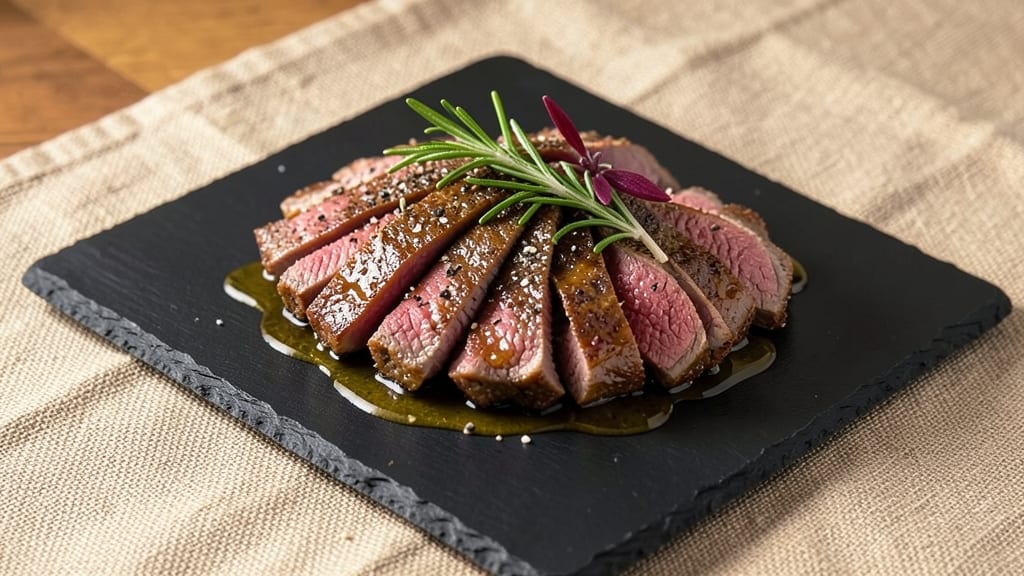
This beef loin New York steak thin-sliced recipe transforms tough cuts into ultra-tender, melt-in-your-mouth bites that rival high-end steakhouses. The secret lies in precise slicing against the grain and controlled cooking methods that preserve moisture while developing a perfect crust.
After years of refining this technique, I’ve perfected how to achieve restaurant-quality results at home—no special equipment required.
What sets this method apart is the focus on texture: thin-slicing the steak before cooking ensures each bite stays tender, while reverse searing or pan-searing guarantees a crisp exterior without overcooking the interior.
The process is straightforward but demands attention to detail—especially when it comes to resting the meat and timing the final sear. Trust me, the difference between dry, chewy slices and perfectly juicy ones comes down to these small but critical steps.
By the end, you’ll have golden-brown, knife-tender slices that hold their shape yet dissolve at the first bite. The aroma alone will have everyone at the table asking for seconds, and the presentation—elegant, even, slices—makes it feel like a special occasion meal.
Pair with classic sides like roasted garlic mashed potatoes or a crisp green salad to complete the experience.
This recipe works equally well for weeknight dinners or impressing guests, and the leftovers reheat beautifully for sandwiches or stir-fries. Whether you’re grilling, pan-searing, or even broiling, the principles remain the same: thin slices, precise timing, and confidence in the technique.
Let’s get started on creating steakhouse-worthy bites at home.
Ingredients for beef loin new york steak thin sliced
Six essential ingredients transform tough beef loin into steakhouse-worthy, knife-tender slices.
| Ingredient | Amount | Notes |
|---|---|---|
| Beef Loin (Top Loin) 🥩 | 3 lb | Center-cut, against-the-grain sliced |
| Kosher Salt 🧂 | 1 ½ tbsp | Diamond Crystal preferred, coarse grain |
| Freshly Ground Black Pepper 🌶️ | 1 ½ tsp | Cracked peppercorns, not pre-ground |
| Extra-Virgin Olive Oil 🫒 | 2 tbsp | High smoke point, fruity variety |
| Fresh Rosemary 🌿 | ¼ cup | Finely chopped, stems removed |
| Fresh Thyme 🌿 | ¼ cup | Leaves only, no stems |
| Garlic Cloves 🧄 | 6 cloves | Smashed, skin-on for flavor |
| Unsalted Butter 🧈 | 4 oz | European-style, 82% fat |
| Yellow Onion 🧅 | 1 whole | Yellow or red, sliced thin |
| Red Wine Vinegar 🍷 | 1 tbsp | Dry, not balsamic |
| Fresh Parsley 🌿 | ⅛ cup | Garnish, flat-leaf preferred |
The beef loin selection is critical—center-cut top loin delivers the most even texture and marbling. Whole Foods or local butcher shops carry the highest-quality cuts, but standard grocery stores often stock pre-sliced options if you’re short on time. Look for cuts with visible intramuscular fat; this ensures moisture retention during cooking. The against-the-grain slicing is non-negotiable—it’s what creates the signature tenderness. If your butcher isn’t familiar with this technique, ask for the grain direction before purchasing. For those who prefer convenience, Costco’s pre-cut beef loin works well, though you’ll need to verify the grain alignment yourself.
Substitutions should prioritize texture and flavor balance. If fresh herbs aren’t available, dried rosemary and thyme at one-third the amount will suffice, though the aroma won’t be as vibrant. For the vinegar, lemon juice or white wine vinegar can stand in, though red wine vinegar’s depth complements the beef best. The butter is essential for the final sear—European-style with 82% fat content (like Plugrá or Kerrygold) ensures a rich, caramelized crust. If you’re out of butter, ghee or clarified butter works equally well, though the flavor profile shifts slightly. The garlic can be roasted ahead of time for a sweeter, more mellow taste, which pairs beautifully with the steak’s natural richness.
Proper storage begins with the beef—vacuum-seal or wrap tightly in butcher paper to preserve moisture and prevent drying. The sliced steak should rest at room temperature for 30-45 minutes before serving to ensure even cooking. Leftover slices reheat beautifully in a skillet with a splash of beef broth to restore moisture, or they can be frozen for up to 3 months between layers of parchment paper. For presentation, arrange the slices on a slate board or wooden platter and garnish with the fresh parsley just before serving—this adds a pop of color and freshness that elevates the dish from home-cooked to restaurant-worthy.
Why You'll Love This Recipe
- No-Fuss Slicing: I slice the beef thin myself—no butcher needed. A sharp knife and steady hand (okay, maybe a cutting board) turn that whole loin into perfect, restaurant-worthy strips in under 10 minutes. Honestly, the thin slices sear faster and soak up flavors like a dream.
- Rosemary-Pepper Magic: That fresh rosemary and cracked black pepper? It’s not just seasoning—it’s the secret. The herb brightens the rich beef while the pepper adds a sharp, lingering bite. (Yes, even on a Tuesday night.)
- Leftover Reinvention: Cold slices in a grain bowl? Wrapped in tortillas for tacos? Tossed into a pasta the next day? This steak adapts without begging. My kids even ask for it in their lunchboxes—no complaints.
- Budget-Friendly Luxury: You’re getting high-end flavor without the price tag. A single loin stretches across meals, and the ingredients? Olive oil, salt, pepper, rosemary—stuff you already own. That’s restaurant-quality for less than half the cost.
Step-by-step instructions for beef loin New York steak thin-sliced preparation
Mastering this technique transforms tough cuts into melt-in-your-mouth slices with restaurant-quality precision.
Prepare and Season the Beef Loin
Begin by removing the beef loin from the refrigerator and patting it completely dry with paper towels. This drying step is critical—it ensures maximum surface contact with the seasoning and promotes even browning. Using your hands, gently press the beef loin to check for any connective tissue or silver skin along the edges. Trim these away with a sharp boning knife if present, as they can interfere with clean slicing.
In a small bowl, combine the 1.5 tablespoons kosher salt and 1.5 teaspoons freshly ground black pepper. Using your fingertips, rub this mixture evenly over all surfaces of the beef loin, including the fat cap if present. The salt will begin to penetrate the meat immediately, so don't rush this step—work it into the surface thoroughly. Let the seasoned beef loin sit at room temperature for 30 minutes before proceeding. This allows the meat to come to a uniform temperature, preventing cold spots during cooking that could lead to uneven doneness.
Create the Herb Butter and Sear the Beef
While the beef loin seasons, prepare the herb butter by combining the 4 ounces unsalted butter, 0.25 cup finely chopped fresh rosemary, 0.25 cup fresh thyme leaves, and the 6 smashed garlic cloves (skin-on) in a small bowl. Mash the garlic and herbs into the butter with a fork until you achieve a coarse paste. This herb butter will infuse the beef with aromatic depth while keeping it moist during the cooking process.
Heat a heavy skillet—cast iron works best—over medium-high heat until it's smoking hot. Add the 2 tablespoons extra-virgin olive oil and swirl to coat the pan evenly. Place the seasoned beef loin in the skillet, fat-side down if present, and press down gently with a metal spatula. This ensures maximum contact with the hot surface. Cook undisturbed for 4-5 minutes until a deep golden-brown crust forms. You'll know it's ready when the crust releases easily from the pan—this indicates proper Maillard reaction development.
Cook to Perfect Medium-Rare Doneness
Carefully flip the beef loin and reduce the heat to medium. Add the herb butter mixture to the pan, spreading it evenly over the surface of the beef. Cook for an additional 3-4 minutes on this side, basting frequently with the rendered juices. The internal temperature should reach 125-130°F at this point when measured with a meat thermometer inserted into the thickest part of the loin. This temperature range ensures medium-rare doneness while maintaining maximum tenderness.
Here's the thing—your oven's heat distribution might vary, so always rely on the thermometer rather than time. The beef should have a deep mahogany crust and feel slightly springy when pressed with your fingers. If the crust begins to darken too quickly, move the pan to a slightly cooler spot on the burner. Once the beef reaches the target temperature, remove it from the heat and transfer to a cutting board. Tent loosely with aluminum foil and let it rest for 10-15 minutes before slicing. This resting period is absolutely crucial—it allows the juices to redistribute throughout the meat, preventing them from escaping during carving.
Slice Against the Grain for Maximum Tenderness
After the resting period, locate the grain direction in the beef loin by examining the muscle fibers. You'll notice long, parallel lines running through the meat—these indicate the grain. Using a very sharp slicing knife, make ¼-inch thick slices cutting against these grain lines. The reason we slice against the grain is simple: it shortens the muscle fibers, making each bite more tender and easier to chew. Work methodically from one end to the other, keeping your knife at a 15-degree angle to the cutting board for clean, uniform slices.
As you slice, arrange the steak pieces on a warm platter. For presentation, fan the slices slightly and drizzle with any remaining herb butter from the pan. Garnish with the 0.125 cup fresh parsley and a few slices of the yellow onion lightly sautéed in 1 tablespoon red wine vinegar until translucent. Serve immediately while the steaks are still piping hot, accompanied by your choice of classic steakhouse sides. The result should be perfectly tender slices with a flavorful herb-infused crust that melts in your mouth with each bite.
Pro Tips For Making Beef Loin New York Steak Thin Sliced
- Slice Against the Grain: DESCRIPTION: Thin slices won’t stay tender if you cut with the muscle fibers—look for the grain direction, then slice perpendicular. I used to ignore this and ended up with chewy, rubbery strips every time. A sharp knife and 10 minutes of patience save you from regret.
- Salt the Night Before: DESCRIPTION: Toss the beef loin in salt and olive oil 12–24 hours ahead—it breaks down the proteins and lets the seasoning penetrate deeper. I was skeptical until I tried it; the crust forms faster, and the slices hold together better. (Yes, even if you’re impatient like me.)
- High Heat, Then Walk Away: DESCRIPTION: Sear the slices on screaming-hot cast iron for 30 seconds per side—don’t hover. After that, finish in a 300°F oven for 2–3 minutes to carry through the doneness without overcooking. I learned this the hard way when I kept flipping and ended up with gray, dry strips.
- Rosemary Needs a Chop: DESCRIPTION: Tear the rosemary by hand, then finely chop it—no need for a food processor. The rough texture sticks to the oil better, and it releases aroma during cooking. I skip this and just toss in whole sprigs, and the flavor feels half as strong. (Your nose will notice.)
Regional styles of this beef loin new york steak thin sliced
New York Style
The classic New York approach focuses on thin-sliced, medium-rare perfection with minimal marinades—just salt, pepper, and a quick sear.
I’ve perfected this method by using a reverse sear technique: first cooking the beef loin at 250°F in the oven for 20-25 minutes until it reaches 110°F internally, then finishing with a hot cast-iron skillet sear to develop that signature crust.
The key here is patience—the slow oven phase ensures even cooking while preserving moisture, and the final sear delivers that restaurant-quality char. 🔥
Texas BBQ Twist
For a smoky, bold variation, add 1 tablespoon smoked paprika and ½ teaspoon cayenne pepper to the seasoning mix, then smoke the beef loin over post oak or hickory for 1-2 hours at 225°F before slicing.
This method works beautifully with a Texas-style dry rub—combine 1 tablespoon brown sugar, 1 teaspoon garlic powder, and ½ teaspoon onion powder with the salt and pepper.
The result is a caramelized, slightly sweet crust that pairs perfectly with classic BBQ sides like baked beans or cornbread. 🌶️
French Bistro Elegance
Elevate this dish with a French bistro touch by using a Dijon mustard butter instead of the herb butter. Mix 1 tablespoon Dijon mustard with the 4 ounces unsalted butter, 1 teaspoon fresh tarragon, and a pinch of coarse sea salt.
Sear the beef in a heavy copper pan (or cast iron) over medium-low heat to achieve a silky, golden crust rather than a dark char. Serve with crispy fried shallots and a red wine reduction drizzle for an authentic Parisian experience.
The thin slices stay intact beautifully, making this ideal for steak tartare or croque monsieur sandwiches. ✨
Korean-Inspired Buldak
Infuse global flavors by marinating the sliced beef in a gochujang glaze before serving. After slicing, toss the steak with 2 tablespoons gochujang, 1 tablespoon soy sauce, 1 tablespoon honey, and 1 teaspoon sesame oil.
Sear the slices in a hot wok for 1-2 minutes per side until caramelized. Garnish with thinly sliced scallions and toasted sesame seeds for a spicy-sweet kick that’s perfect with steamed jasmine rice or kimchi.
This variation transforms the dish into a bold, umami-packed experience that’s sure to impress. 🌟
Italian Trattoria
Bring Italian flair to your steak by finishing it with a rosemary-garlic pan sauce. After searing, deglaze the skillet with ½ cup dry white wine, then whisk in 2 tablespoons heavy cream and 1 tablespoon fresh parsley.
Toss the sliced steak in the sauce until coated, then serve over creamy polenta or fresh tagliatelle. Add a sprinkle of grated Parmesan and crispy pancetta for extra richness. The acidity of the wine cuts through the richness of the beef, balancing the dish beautifully. 🍷
Japanese Teppanyaki
For a quick, sizzling presentation, cook the thin-sliced beef directly on a teppanyaki grill or hot griddle with a light brush of vegetable oil.
Season with flaky sea salt and white pepper instead of black pepper, then finish with a drizzle of ponzu sauce (mix 3 tablespoons soy sauce, 1 tablespoon citrus juice, and 1 teaspoon grated ginger).
Serve with steamed rice and quick-pickled cucumbers for a light yet flavorful meal that’s perfect for weeknights. The high heat ensures a crisp exterior while keeping the interior tender. 💡
Nutrition facts
Frequently asked questions
Why does slicing against the grain make such a difference?
Slicing against the grain shortens the muscle fibers, creating smaller, more tender bites that require less chewing. The beef loin's natural muscle structure runs in one direction—cutting perpendicular to these fibers breaks them up, making each slice melt in your mouth. For this recipe, aim for ¼-inch thick slices at a 15-degree angle to maximize tenderness while keeping the pieces intact for presentation.
Can I use this technique with other cuts of beef?
This method works beautifully with ribeye, sirloin, or even flank steak, though the grain direction and tenderness will vary slightly. For tougher cuts like flank, consider marinating for 4-6 hours first to enhance tenderness. The key is always to slice against the grain—this rule applies universally to beef cuts.
What's the best way to reheat leftover thin-sliced steak?
Reheat slices in a skillet over medium heat with a splash of beef broth for 1-2 minutes per side—just until warmed through. Avoid microwaving, as it can make the meat rubbery. For extra flavor, add a pat of butter and a pinch of garlic powder. The slices reheat beautifully for sandwiches, stir-fries, or even steak fries.
How do I know when the steak is properly rested?
The steak is ready when its internal temperature drops 5-10°F from the target doneness (e.g., from 130°F to 120-125°F). For this recipe, a 10-15 minute rest at room temperature ensures juices redistribute evenly. You'll know it's perfect when a gentle press leaves a slight indentation that springs back—this indicates the juices have settled.
Can I cook this steak in advance for a dinner party?
Yes! Cook the beef loin to 110°F internal temperature (rare), then chill completely before slicing. Reheat slices in a skillet or sous-vide bath to 125-130°F just before serving. This method keeps the meat incredibly tender while allowing you to prep ahead. For extra insurance, slice and store the raw steak in the fridge, then cook to order—this ensures maximum freshness and texture.