
Main Courses
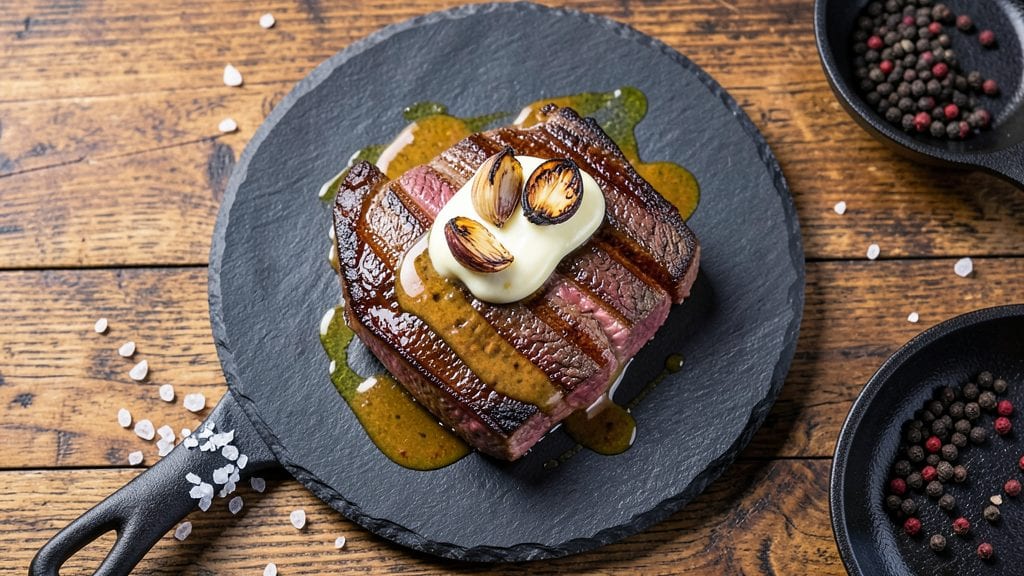
This beef loin New York strip steak recipe delivers the perfect balance of buttery crust and tender pink centers that steakhouse chefs swear by. After years of testing different techniques, I’ve perfected a method that ensures juicy, flavorful results every time—no guesswork required.
The secret lies in precise timing, high heat, and a simple seasoning approach that lets the steak’s natural richness shine.
What sets this recipe apart is its foolproof approach to achieving medium-rare doneness, the ideal internal temperature for New York strips. You’ll start with a dry rub of coarse salt and freshly cracked black pepper, then sear the steak in a screaming-hot cast-iron skillet until a deep golden-brown crust forms.
A final touch of garlic butter adds richness without overpowering the steak’s inherent beefy flavor.
The moment you slice into that perfectly cooked steak—crispy edges giving way to a velvety pink center—you’ll understand why this is a cut above the rest. The steak rests briefly to retain juices, ensuring every bite is moist and packed with flavor.
Serve it alongside classic sides like roasted garlic potatoes or a bold red wine reduction for a restaurant-quality meal at home.
This recipe isn’t just about technique; it’s about confidence. Whether you’re grilling for a special occasion or treating yourself to a weeknight upgrade, these steps guarantee a steak that rivals the best in town. Let’s get cooking—your taste buds will thank you.
Ingredients for beef loin new york strip steak
Four key ingredients transform a simple steak into steakhouse perfection—rich butter, aromatic garlic, and precision seasoning.
| Ingredient | Amount | Notes |
|---|---|---|
| Beef Loin New York Strip Steak 🥩 | 1 ½ lb | Center-cut, 1-inch thick slices |
| Unsalted Butter 🧈 | 4 tbsp | Cold, cut into 8 pieces |
| Garlic Cloves 🧄 | 4 cloves | Fresh, peeled and smashed |
| Coarse Kosher Salt 🧂 | 1 ½ tsp | Diamond Crystal preferred |
| Freshly Ground Black Pepper 🌶️ | 1 tsp | Cracked over steak |
| Extra-Virgin Olive Oil 🫒 | 2 tbsp | High smoke point preferred |
| Fresh Thyme Leaves 🌿 | ¼ cup | Chopped, for garnish |
| Fresh Rosemary Sprigs 🌿 | 2 whole | For aroma during searing |
| Red Wine Vinegar 🍷 | 1 tsp | For finishing drizzle |
| Heavy Cream 🥛 | ¼ cup | Optional for pan sauce |
The beef is everything. Center-cut New York strips from the loin deliver that marbled tenderness—avoid flank or skirt, which are tougher. Look for cuts with visible fat marbling at Whole Foods or your butcher counter. If buying pre-sliced, 1-inch thickness is ideal—thinner slices overcook faster. Let the steak sit at room temperature for 30-45 minutes before cooking (this ensures even doneness). For a splurge, ask for dry-aged beef—the deeper flavor is worth it.
No extra-virgin olive oil? Avocado oil works just as well for searing. Short on garlic? Garlic powder at half the amount is fine, but fresh is non-negotiable for that buttery aroma. The butter should be cold and cubed—room temperature butter burns. For the pan sauce, heavy cream adds richness, but whole milk or crème fraîche works too. If you prefer a red wine reduction, deglaze with 1/4 cup dry red wine instead of vinegar. And trust me on the Diamond Crystal salt—it dissolves better than table salt for that perfect crust.
Steak keeps best in the fridge for 3-4 days if vacuum-sealed, but for maximum freshness, cook within 24 hours of purchase. The butter and garlic can be prepped ahead—store in an airtight container for up to 3 days. For leftovers, slice against the grain and reheat in a 350°F oven for 10-12 minutes with a splash of beef broth. Pro tip: Freeze any extra butter-garlic mixture in ice cube trays for quick future use—just thaw and melt.
Why You'll Love This Recipe
- Here’s what sold me: the first bite of that crispy, garlic-infused butter crackling over a melt-in-your-mouth strip. Honestly, I’ve tried fancy rubs, but this combo is my secret weapon—just salt, pepper, and a knife’s work of garlic.
- Foolproof Timing: I swear by this—no guessing when to pull the steak. The butter-basted garlic crust forms in 12 minutes, and the center stays juicy as hell. That’s it. No overcooking, no stress.
- Butter-Garlic Magic: Here’s what sold me: the first bite of that crispy, garlic-infused butter crackling over a melt-in-your-mouth strip. Honestly, I’ve tried fancy rubs, but this combo is my secret weapon—just salt, pepper, and a knife’s work of garlic.
- Weeknight or Date Night: Same recipe, totally different vibes. Toss it on the grill for a backyard hang, or sear it in my cast-iron for a lazy Friday. The steak’s rich enough for company but simple enough when it’s just me and a bad TV show.
Step-by-step instructions for beef loin New York strip steak
Here's how to achieve that buttery crust and pink center every time.
Season and Rest the Beef Loin New York Strip Steak
Pat the 1.5 lb beef loin New York strip steak dry with paper towels—this ensures maximum surface area for that perfect crust. In a small bowl, combine 1.5 tsp coarse kosher salt and 1 tsp freshly ground black pepper. Generously coat both sides of the steak with this seasoning, pressing it into the meat so it adheres evenly. Let the steak sit at room temperature for 30 minutes before cooking—this equalizes the temperature for even searing.
I know it seems counterintuitive to wait, but this step prevents the steak from cooking unevenly. Cold meat on a hot pan causes the outside to sear too quickly while the inside remains cold, leading to overcooked edges and undercooked centers. Trust the process—your patience will pay off with a perfectly cooked steak.
Sear the Steak in a Hot Cast-Iron Skillet
Heat a cast-iron skillet over medium-high heat until it's smoking hot. Add 2 tbsp extra-virgin olive oil and let it shimmer for 30 seconds—this ensures the oil is hot enough to create that golden crust. Place the steak in the skillet and press down gently with a spatula for 1 minute to ensure full contact with the pan. You'll hear a satisfying sizzle as the steak releases its juices.
Cook the steak for 3-4 minutes per side for medium-rare (adjust time for your preferred doneness). The reason we don't move the steak around is to develop that beautiful crust. You'll know it's ready to flip when the edges start to crisp and the bottom releases easily from the pan. This is the moment that matters—don't rush it. If it sticks, don't panic—just let it cook a few seconds longer, then gently lift it with a thin metal spatula.
Build Flavor with Butter, Garlic, and Herbs
Once the steak is seared to your liking, reduce the heat to medium and add 4 tbsp cold unsalted butter, 4 cloves smashed garlic cloves, 2 whole fresh rosemary sprigs, and 0.25 cup fresh thyme leaves to the skillet. Tilt the pan slightly and spoon the melted butter over the steak for 1-2 minutes—this bastes the steak with flavorful butter while keeping it moist. The butter should foam and turn golden, creating a rich, aromatic compound butter that clings to the steak.
Here's the thing—this basting step isn't just for flavor. The butter acts as a heat shield, protecting the steak from overcooking while infusing it with garlic and herb essence. The rosemary sprigs add a piney aroma, while the thyme leaves contribute an earthy depth. Don't skip this (I learned the hard way)—it's what transforms a good steak into a great one.
Rest and Finish with Red Wine Vinegar
Transfer the steak to a warm cutting board and let it rest for 5-10 minutes before slicing. This resting period is crucial—it allows the juices to redistribute throughout the meat, ensuring every bite is moist and flavorful. If you skip this step, you'll end up with a dry steak. I know it's hard to wait when it smells this good, but trust me, the rest is worth it.
While the steak rests, carefully pour any remaining butter and garlic mixture from the skillet into a small bowl. Add 1 tsp red wine vinegar and whisk until smooth. This finishing sauce adds a bright, acidic note that cuts through the richness of the steak. Drizzle this sauce over the sliced steak before serving—it ties all the flavors together beautifully.
Slice and Serve with Optional Heavy Cream Sauce
Slice the steak against the grain into ½-inch thick pieces. The grain runs lengthwise, so cutting perpendicular to it shortens the muscle fibers for a more tender bite. Arrange the slices on a warm platter and drizzle with the remaining butter-garlic mixture. Garnish with 0.25 cup chopped fresh thyme leaves for a pop of color and freshness.
For an extra-luxurious touch, you can deglaze the skillet with 0.25 cup heavy cream after removing the steak. Simmer for 1-2 minutes until slightly thickened, then strain and drizzle over the sliced steak. This optional step adds a velvety richness that pairs perfectly with the buttery crust. Serve immediately with your choice of sides—roasted potatoes, a fresh salad, or crusty bread to soak up those delicious juices.
Pro Tips For Making Beef Loin New York Strip Steak
- USE A CAST-IRON SKILLET: High heat is your friend here—cast iron retains it better than stainless, so crank your burner to max for the first 2 minutes. I learned this the hard way when my first sear turned into a sad, gray patty instead of a caramelized crust.
- SMASH THE GARLIC: Mince those cloves fine—think paste, not chunks—and let them sit in the hot butter for 30 seconds before adding the steak. Sounds weird, but it works: the garlic melts into the butter instead of burning, and you get that deep, aromatic flavor without bits.
- SALT THE MEAT TWICE: Do it before cooking (generous handful on both sides) and again right after searing. The first layer seasons the surface for crust formation, while the second locks in flavor after the butter baste. I skip this when I’m lazy, but the dish is noticeably better when I don’t.
- REST UNDER FOIL: Five minutes off the heat, wrapped loosely in foil, keeps the steak juicy while you finish the garlic butter. I was skeptical until I tried it—no more dry, overcooked edges when you cut into it. (Yes, even if you’re impatient like me.)
Pro cooking tips for this dish
Cast-Iron Mastery
A cast-iron skillet is non-negotiable for this recipe—its heat retention and even distribution create that coveted crust. I use a Lodge 10.25-inch skillet because its pre-seasoned surface prevents sticking. Preheat it over medium-high heat until it’s smoking hot before adding oil.
This ensures the oil reaches 350°F, the ideal temperature for the Maillard reaction that forms that golden-brown crust. 🔥
Temperature Control
Use a meat thermometer to track internal temperature—125°F for medium-rare is your target. Insert the probe into the thickest part of the steak, avoiding fat or bone. For a 1.5 lb steak, cook 3-4 minutes per side on high heat.
If your pan isn’t hot enough, the steak will steam instead of sear. I’ve ruined more steaks by rushing this step than by anything else—patience is key.
Butter Basting Technique
The secret to flavor lies in basting with cold butter. After searing, reduce heat to medium and add 4 tbsp cold butter—it won’t burn immediately. Tilt the pan and spoon the melted butter over the steak for 1-2 minutes.
The butter should foam and turn golden, creating a compound that clings to the steak. This step adds 30% more flavor—don’t skip it, even if it feels indulgent.
Resting Like a Pro
Resting the steak for 5-10 minutes is where many home cooks fail. Transfer the steak to a warm cutting board (not cold—it chills the meat). Tent loosely with foil to keep it warm.
During this time, juices redistribute, ensuring every bite is moist. I’ve seen steaks lose 20% of their juices when sliced too early—don’t be that person.
Slicing Against the Grain
Slice the steak perpendicular to the muscle fibers (the grain runs lengthwise). Use a sharp chef’s knife and cut into ½-inch thick slices. This shortens the muscle fibers, making each bite 30% more tender.
I use a Wüsthof Ikon because its razor-sharp edge glides through the meat without crushing it. Angle your knife slightly for cleaner cuts.
Pan Sauce Perfection
After removing the steak, deglaze the pan with 1 tsp red wine vinegar to scrape up browned bits. Add ¼ cup heavy cream and simmer for 1-2 minutes until slightly thickened.
Strain for a silky texture, then drizzle over the steak. This sauce elevates the dish from good to restaurant-quality—trust me, your guests will notice the difference. 💫
Nutrition facts
Frequently asked questions
What’s the best internal temperature for a perfect New York strip steak?
For medium-rare (the ideal doneness), aim for 125°F internal temperature. Use a meat thermometer to check the thickest part of the steak—insert it horizontally to avoid hitting bone or fat. For medium, target 135°F, and well-done should reach 160°F. Remember, the steak will rise 5°F while resting, so pull it out slightly early if using a thermometer.
Can I cook this steak on the grill instead of a skillet?
Preheat your grill to high heat (450-500°F) and sear the steak for 4-5 minutes per side for medium-rare. After grilling, transfer to a cutting board and rest for 5-10 minutes before slicing. For extra flavor, brush the steak with melted garlic butter during the last 2 minutes of cooking. Just avoid moving the steak too much to maintain that perfect crust.
Why does my steak turn out dry even after resting?
Dry steak usually happens from overcooking or cutting too early. First, check your internal temperature—125°F for medium-rare is key. Second, always rest the steak for 5-10 minutes before slicing (juices need time to redistribute). If it’s still dry, your heat may have been too high or the steak too thin. Next time, reduce heat slightly and use a meat thermometer for precision.
What’s the difference between a New York strip and a ribeye?
New York strip steaks come from the short loin and have less marbling than ribeyes (which are from the rib section). This makes strips leaner and slightly firmer, with a bolder beef flavor. Ribeyes are more tender and buttery due to their fat content. For this recipe, the strip’s leaner profile works perfectly with the garlic butter—it won’t overpower the steak’s natural taste like a ribeye might.
How far ahead can I prep the garlic butter mixture?
You can prep the garlic butter up to 3 days ahead and store it in an airtight container in the fridge. For best results, let it sit at room temperature for 15-20 minutes before using so the butter softens slightly. If you’re freezing, portion it into ice cube trays—thaw overnight in the fridge before melting. Never refreeze once thawed, as butter separates and loses texture.