
Main Courses
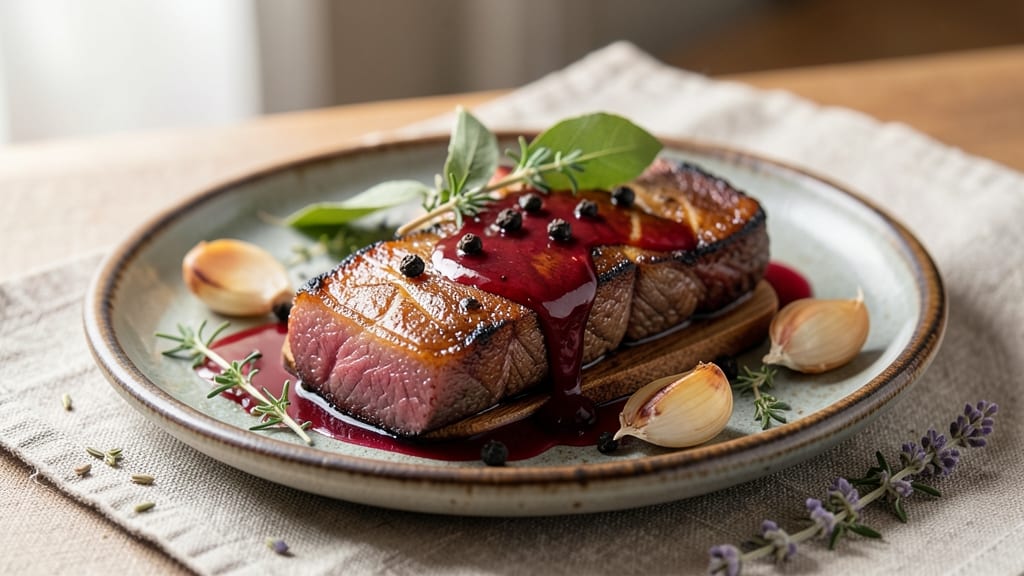
This French beef tongue recipe delivers the luxurious, melt-in-your-mouth texture that makes it a star of French bistros and family tables. The secret lies in slow cooking with Herbs de Provence, transforming tough cuts into tender, silky perfection that practically dissolves at the touch of a fork.
I first discovered this technique while researching traditional French cuisine bourgeoise—the kind of home cooking that feels both elegant and deeply comforting.
The process begins with a 24-hour marinade in red wine and aromatic herbs, then a gentle braise that renders fat and infuses flavor until the tongue becomes impossibly tender.
What sets this recipe apart is the balance of acidity from the wine and the earthy depth of Herbs de Provence, creating a harmony that’s both rustic and refined. The result? A dish that’s rich without being heavy, with a surface that caramelizes beautifully for that coveted golden crust.
By the time you serve it—sliced paper-thin over buttery toast or paired with a tangy red wine reduction—you’ll understand why French home cooks have cherished this cut for generations. The texture is unlike anything else: silky yet firm, with layers of flavor that reward each bite.
This isn’t just a recipe; it’s a lesson in how to turn humble ingredients into something extraordinary.
Serve with classic accompaniments like cornichons, crusty baguette, and a bold red wine to complement the dish’s deep, savory notes. The method is precise, but the results are worth every step—this is French comfort food at its finest, where tradition meets technique.
Let’s get started on creating your own langue de bœuf masterpiece.
Ingredients for beef tongue french
Elegant yet rustic ingredients transform tough beef tongue into silky French bistro perfection.
| Ingredient | Amount | Notes |
|---|---|---|
| Beef Tongue (whole, raw) 🥩 | 2 lb | Fresh, untrimmed for optimal flavor |
| Dry Red Wine 🍷 | 2 cups | Bold, full-bodied variety preferred |
| Herbs de Provence 🌿 | 2 tbsp | High-quality blend for authentic flavor |
| Garlic Cloves 🧄 | 6 cloves | Peeled, lightly crushed for infusion |
| Bay Leaves 🍃 | 2 whole | Fresh for maximum aroma |
| Black Peppercorns 🌶️ | 1 tbsp | Freshly cracked for robust flavor |
| Kosher Salt 🧂 | 2 tbsp | Diamond Crystal preferred for balance |
| Extra-Virgin Olive Oil 🫒 | ¼ cup | High-quality for finishing |
| Butter (unsalted) 🧈 | 4 tbsp | Cold, for basting and caramelization |
| Onion (yellow, whole) 🧅 | 1 whole | Peeled, halved for aromatics |
| Carrot (whole) 🥕 | 1 whole | Peeled, halved for braising |
| Celery (whole) 🥬 | 2 stalks | Trimmed, cut into chunks |
| Crusty Baguette 🍞 | 1 whole | For serving, lightly toasted |
| Cornichons (jarred) 🥒 | ½ cup | Classic French accompaniment |
The beef tongue is the centerpiece—look for fresh, untrimmed cuts from a butcher specializing in French cuisine. Whole Foods Market or high-end grocers often carry it, but specialty meat purveyors like D'Artagnan are ideal. The tongue should be a deep, rich red with minimal odor; any ammonia scent indicates spoilage. For the wine, a Cabernet Sauvignon or Syrah adds depth, but any dry red will work. Herbs de Provence should be from a trusted brand like Herbes de Provence by Jean-Hugues—avoid generic blends that lack complexity. The aromatics (onion, carrot, celery) form the flavor base, so choose fresh, firm vegetables without blemishes.
No red wine? Substitute with beef broth and a splash of balsamic vinegar—the acidity remains crucial. Herbs de Provence unavailable? Mix equal parts dried thyme, rosemary, and lavender for a similar profile. Fresh bay leaves can be swapped for dried at one-third the amount, but fresh is preferred. For the butter basting, use ghee if lactose-sensitive, though traditional recipes rely on butter for its rich mouthfeel. The cornichons add brightness—if unavailable, pickled gherkins or capers work as alternatives. Always measure salt precisely; beef tongue absorbs flavors deeply, and over-salting is irreversible.
Store uncooked beef tongue in the coldest part of your fridge for up to 3 days before cooking. Once braised, it keeps for 5 days refrigerated or 3 months frozen—portion into vacuum-sealed bags for easy reheating. The braising liquid can be reduced into a glaze and stored separately for up to 2 weeks. For serving, slice the tongue paper-thin against the grain. It reheats beautifully—simmer gently in the reduced braising liquid for 10-15 minutes to restore tenderness. The crusty baguette should be toasted just before serving to maintain crispness.
Why You'll Love This Recipe
- Foolproof Simplicity: Honestly, the hardest part is peeling the garlic—everything else is hands-off. Toss the whole tongue in a pot with wine, herbs, and bay leaves, then let it simmer. No chopping, no fuss, just set it and forget it.
- Deep Umami Magic: That red wine reduction? Chef’s kiss. The tongue soaks up all the garlic and herbs, turning tender with a crust so rich it’ll make you forget about takeout. Between us, the first bite is always the best.
- Leftovers That Shine: This recipe actually improves the next day. Slice it thin, and suddenly you’ve got perfect sandwiches, salads, or even a quick charcuterie upgrade. My lunchbox gets packed with this for days.
- Budget Luxury: A whole beef tongue feeds four for way less than steak. The wine and herbs make it feel fancy without breaking the bank—plus, it’s one of those dishes where the more you make, the better. (Yes, even on a Tuesday night.)
Step-by-step instructions for beef tongue with herbs de Provence
The secret to velvety texture lies in slow cooking and proper seasoning. Follow these precise steps to transform tough beef tongue into a luxurious French delicacy.
Prepare and Season the Beef Tongue
Begin by rinsing the 2 lb beef tongue under cold water and patting it completely dry with paper towels. This thorough drying prevents moisture from steaming the meat during cooking. Using a sharp boning knife, trim any excess fat while leaving a thin layer for flavor.
In a small bowl, combine the 2 tbsp herbs de Provence, 1 tbsp black peppercorns, and 2 tbsp kosher salt. Rub this mixture generously over the entire surface of the tongue, pressing firmly to ensure the seasoning penetrates. Place the seasoned tongue in a shallow dish and refrigerate uncovered for 24 hours. This dry-brining process enhances flavor and texture, creating that signature French tenderness.
Create the Braising Liquid and Vegetable Base
In a large Dutch oven, combine the 2 cups dry red wine, peeled and halved yellow onion, peeled and halved carrot, and trimmed celery stalks. Bring to a simmer over medium heat for 5 minutes to soften the vegetables slightly. This aromatic base forms the flavor foundation for the dish.
Add the 6 peeled garlic cloves and 2 whole bay leaves to the pot. Simmer gently for an additional 3 minutes until the garlic becomes fragrant but doesn't brown. Remove the pot from heat and let the mixture cool slightly before proceeding. This preparation ensures the vegetables contribute their sweetness without overpowering the delicate tongue flavor.
Braise the Beef Tongue Low and Slow
Place the seasoned beef tongue in the Dutch oven, nestling it among the vegetables. Pour in the 0.25 cup extra-virgin olive oil and add enough water to come halfway up the sides of the tongue. This liquid level ensures proper braising without submerging the meat completely.
Bring the liquid to a gentle simmer over medium-low heat, then reduce to a bare bubble. Cover the pot tightly with a lid and maintain this temperature for 3 hours. The key is patience - the tongue needs this prolonged cooking time to transform from tough to silky. Check occasionally to ensure the liquid remains at a simmer, adding water if needed to maintain the level.
Finish and Rest the Beef Tongue
After 3 hours, remove the lid and increase heat to medium-high to reduce the braising liquid by half. This concentration intensifies the flavors. Add the 4 tbsp cold unsalted butter and stir until melted, creating a glossy finish. The butter should coat the tongue, enhancing its richness.
Transfer the beef tongue to a cutting board and let it rest for 30 minutes before slicing. This resting period allows the fibers to relax and the juices to redistribute, resulting in that coveted silky texture. Meanwhile, preheat the oven to 375°F and toast the crusty baguette until golden and crisp.
Serve with Classic French Accompaniments
Slice the beef tongue into ¼-inch thick pieces against the grain for maximum tenderness. Arrange the slices on warmed plates alongside the toasted crusty baguette and 0.5 cup cornichons. The tangy cornichons cut through the richness of the tongue, while the baguette provides a perfect vehicle for soaking up the flavorful juices.
Serve immediately with additional braising liquid spooned over the top. Each bite should deliver the silky texture you've worked so hard to achieve, complemented by the aromatic herbs de Provence and subtle wine notes. The dish should be served warm to appreciate the full depth of flavors developed through this precise cooking method.
Pro Tips For Making Beef Tongue French
- Parboil First: Skip the raw plunge—parboil the tongue for 20 minutes in salted water before braising. I learned this the hard way: starting cold means the wine and herbs won’t penetrate evenly, leaving you with a bland center. The parboil also helps the skin tighten up later.
- Deglaze Aggressively: After browning the tongue, don’t just splash in the wine—scrape up all those fond bits with a wooden spoon. That’s where the flavor lives, and lazy scraping means you’ll miss half the depth. Use a spoon like a putty knife if you have to.
- Don’t Crowd the Pot: If your Dutch oven is small, braise the tongue in batches—even if it means two rounds. I once stuffed a whole tongue and wine into a cramped pot, and the liquid barely simmered. You need movement in that liquid to build flavor, not a sad, sluggish stew.
- Peel When Cool: Let the cooked tongue rest 10 minutes before peeling—hot skin tears like paper. I used to rush it, and half the time, I’d end up with shredded fingers and a messy counter. A damp paper towel helps slide it off cleanly once it’s cooled enough.
Pro cooking tips for beef tongue french
Dry-Brine Like a Pro
The 24-hour dry-brine is non-negotiable for that signature French tenderness. I always refrigerate the tongue uncovered—this allows excess moisture to evaporate, creating a better crust later. Pat it completely dry before seasoning, and don’t skip the Herbs de Provence—it’s the secret to that authentic Provencal aroma.
Use Diamond Crystal kosher salt for precise control; it’s less dense than table salt, so measure carefully. 🧂
Low-and-Slow Braising
Your Dutch oven must maintain a gentle simmer—never a rolling boil—throughout the 3-hour braise. I use a Thermoworks Smoke thermometer to monitor the liquid at 185-190°F. If it bubbles too vigorously, reduce heat immediately.
The goal is to break down collagen, not cook the meat aggressively. Add water as needed to keep the tongue submerged halfway.
Butter Basting Magic
After braising, reduce the liquid by half to intensify flavors, then add 4 tbsp cold butter. The butter should melt into a glossy finish, coating the tongue for that restaurant-quality sheen. I use Plugrá unsalted butter—its high fat content creates a luxurious mouthfeel.
Stir constantly until fully incorporated, then let it sit for 5 minutes. This step is what transforms good beef tongue into extraordinary.
Resting for Perfection
Never skip the 30-minute rest—this is where the texture truly transforms. The tongue’s fibers relax, and juices redistribute for that melt-in-your-mouth experience. I place it on a wire rack over a baking sheet to catch any drippings, then cover loosely with foil.
If you’re short on time, 15 minutes minimum still makes a difference, but 30 minutes is ideal. 💫
Slicing Against the Grain
Use a sharp boning knife and slice ¼-inch thick pieces, cutting perpendicular to the muscle fibers. This maximizes tenderness—each bite should practically dissolve. I angle the knife slightly to create uniform slices.
For extra drama, arrange the slices fan-style on the plate before serving with the reduced braising liquid spooned over the top.
Temperature Control Tips
If your oven runs hot, use the convection setting. For stovetop braising, a heavy-bottomed Dutch oven*, like Le Creuset, distributes heat evenly. Avoid aluminum pots—they react with acidic ingredients like wine.
And always preheat your oven to 375°F*. This ensures the baguette toasts perfectly alongside your finished dish. The small details make all the difference. 🔥
Nutrition facts
Frequently asked questions
Why does beef tongue need a 24-hour marinade?
The 24-hour dry-brine with Herbs de Provence and kosher salt creates the signature French tenderness by breaking down tough collagen fibers. This process also forms a flavorful crust while preventing moisture from steaming the meat during cooking. It's what transforms tough cuts into silky perfection!
Can I substitute red wine with another liquid?
Yes, but the flavor will differ. Use beef broth + 1 tbsp balsamic vinegar for acidity, or apple cider + 1 tsp Dijon mustard for a fruity twist. The wine's depth is hard to replicate, but these alternatives work in a pinch. Always maintain the 2 cups total liquid for proper braising.
How do I know when beef tongue is fully cooked?
After 3 hours of braising, the tongue should easily pierce with a fork and feel tender to the touch. The internal temperature should reach 190-195°F—this breaks down collagen completely. If it still feels firm, extend by 30 minutes more. Overcooking won't ruin it, but proper timing is key for that melt-in-your-mouth texture!
What's the best way to reheat cooked beef tongue?
Gently reheat in the reduced braising liquid over low heat for 10-15 minutes until warmed through. Avoid microwaving—it makes the texture rubbery. For leftovers, slice first, then warm with a splash of liquid. The butter basting step can't be replicated when reheating, so enjoy fresh whenever possible!
Can I make this recipe with pork tongue instead?
Pork tongue works but requires 1.5 hours less cooking time (about 1.5 hours total) due to its milder texture. Adjust seasonings slightly—pork benefits from 1 extra tbsp salt and ½ tsp smoked paprika. The French technique remains the same, but pork has a more delicate flavor profile. Try it with a lighter white wine reduction instead!