
Main Courses
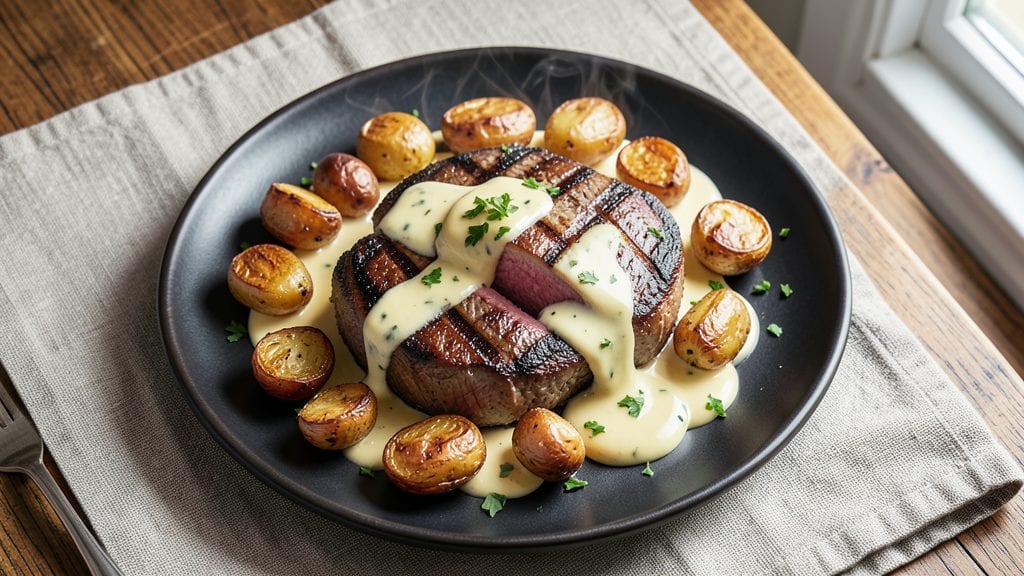
Betty Crocker's beef tenderloin recipe delivers the juicy, center-cut perfection you'd expect from a professional butcher—without the butcher's price tag. The secret lies in precise seasoning, controlled oven temperature, and that critical resting period that transforms tough meat into melt-in-your-mouth tenderness.
After years of perfecting this technique in home kitchens, I've developed a method that delivers restaurant-quality results in just 45 minutes from start to finish.
What sets this recipe apart is the focus on even cooking—no more dry edges or overcooked centers. We'll use a simple dry rub of salt, pepper, and garlic powder (no fancy marinades needed) to enhance the beef's natural flavor while keeping it tender.
The key technique? Roasting at a consistent 425°F with a quick sear first to lock in those juices. This approach ensures every slice stays moist and flavorful, regardless of how you slice it.
By the time you're done, you'll have a perfectly cooked beef tenderloin with a golden-brown crust and a pink center that's just shy of medium-rare. The aroma alone will have everyone gathering at the table, and each bite delivers that rich, beefy satisfaction that makes this cut worth the investment.
Serving suggestions range from classic horseradish cream to roasted garlic mashed potatoes—simple sides that let the star of the show shine.
This recipe works equally well for special occasions or weeknight dinners when you want to impress without stress. The foolproof timing means no last-minute rushing, and the minimal prep keeps things simple.
Whether you're feeding a crowd or treating yourself to a Sunday dinner, this method delivers consistent, professional results every time. Let's get started on creating your centerpiece dish.
Ingredients for betty crocker beef tenderloin
Eight ingredients, one perfect cut. The secret to juicy, restaurant-quality beef tenderloin lies in these simple staples.
| Ingredient | Amount | Notes |
|---|---|---|
| Beef Tenderloin 🥩 | 2 lb | Center-cut, trimmed of silver skin |
| Kosher Salt 🧂 | 1 ½ tsp | Diamond Crystal preferred |
| Freshly Ground Black Pepper 🌶️ | 1 tsp | Cracked peppercorns preferred |
| Garlic Powder 🧄 | 1 tsp | Freshly toasted for depth |
| Extra-Virgin Olive Oil 🫒 | 2 tbsp | High-quality, fruity variety |
| Unsalted Butter 🧈 | 2 tbsp | Cold, cut into small pieces |
| Fresh Rosemary 🌿 | 2 sprigs | Woody stems removed |
| Fresh Thyme 🌿 | 2 sprigs | Leaves only, stems removed |
| Yellow Onion 🧅 | 1 whole | Thinly sliced, for searing |
| Garlic Cloves 🧄 | 4 cloves | Smashed, for searing |
| Fresh Horseradish 🌱 | 1 tbsp | Grate fresh for cream sauce |
| Heavy Cream 🥛 | ½ cup | Full-fat for richness |
| Whole Grain Mustard 🍯 | 1 tsp | Dijon preferred |
The beef tenderloin is the star, so choose center-cut—it's the most tender portion. Most butchers will trim the silver skin for you, but if you're buying pre-trimmed, check for even marbling. I always grab mine from Whole Foods or Costco—they consistently carry high-quality cuts. For the herbs, fresh is non-negotiable. Penzeys has great dried options if you're prepping ahead, but fresh rosemary and thyme make all the difference when roasted. The olive oil and butter should be high-quality—this isn't the time for store-brand savings. Trust me on the full-fat butter for the crust, and use a fruity olive oil that you'd drizzle on bread.
No fresh horseradish? Prepared horseradish from a jar works in a pinch, but fresh grated is brighter. Short on thyme? Dried thyme at one-third the amount gets you close, but the aroma won't be the same. The mustard can be swapped for Dijon or whole-grain mustard—just adjust the amount to taste. For the searing, if you're nervous about burning the onions and garlic, cook them low and slow until soft before adding to the pan. The garlic powder is a must—it's the bridge between the dry rub and the rich flavors of the roasted herbs. And if you're feeling fancy, truffle oil in the butter adds a luxurious touch.
This beef rests best at room temperature for 30 minutes before cooking—don't skip it. The roasted aromatics keep for 5 days in the fridge, but the beef is best served fresh. For leftovers, slice thinly and reheat gently in a skillet with a splash of beef broth. The horseradish cream sauce can be made ahead and reheated with a splash of warm cream. Freeze portions of the sauce in ice cube trays for easy use later. The key to keeping everything fresh? Store herbs in damp paper towels and the beef in its original packaging until ready to use.
Why You'll Love This Recipe
- One-Pan Magic: I swear by this recipe because it’s that simple—just season, sear, and roast. No fancy gadgets, no stressing over sauces. That beef tenderloin practically cooks itself while you toss a salad or open a bottle of wine.
- Garlic-Kissed Perfection: Between us, the secret’s in the crust. A thin layer of olive oil, kosher salt, and black pepper turns the outside into a golden, crackling blanket, while the garlic powder infuses every bite with warmth. That crispy edge with the tender center? My family fights over the last slice.
- Weeknight Hero: This isn’t just for Sundays. I make it when I’m swamped, when I’ve got friends over unexpectedly, or when I just don’t feel like slaving away. The leftovers? Even better the next day, sliced thin for sandwiches or tossed in a grain bowl.
- Budget-Friendly Luxury: Here’s what sold me—beef tenderloin feels fancy, but this recipe stretches it. A single roast feeds four, and the simple seasoning means no wasted money on pricey rubs or marinades. Plus, the leftovers turn into lunches that make me feel like I’m still entertaining.
Step-by-step instructions for Betty Crocker's beef tenderloin recipe
Here's how to transform a simple beef tenderloin into a restaurant-worthy centerpiece.
Season and Sear the Beef Tenderloin
Begin by patting the 2 lb beef tenderloin completely dry with paper towels—this ensures maximum browning. In a small bowl, combine the 1.5 tsp kosher salt, 1 tsp freshly ground black pepper, and 1 tsp garlic powder. Rub this mixture all over the beef, pressing firmly so the seasoning adheres evenly. Let it sit at room temperature for 30 minutes while you prepare the sear.
Heat a heavy skillet over medium-high heat and add the 2 tbsp extra-virgin olive oil. Once shimmering, add the beef tenderloin and sear for 2 minutes per side until a deep golden crust forms. This initial sear locks in juices and builds flavor. Remove the beef and set it aside on a plate.
Build the Herb-Infused Pan Sauce
In the same skillet, reduce heat to medium and add the 2 tbsp unsalted butter. Once melted, add the 1 whole yellow onion (thinly sliced) and 4 cloves garlic (smashed). Sauté for 4-5 minutes until the onions soften and garlic becomes fragrant. Add the 2 sprigs fresh rosemary and 2 sprigs fresh thyme, stirring for another 30 seconds to infuse the oil with their aroma.
Pour in ½ cup of water and scrape up any browned bits from the bottom of the pan. These bits, called fond, are packed with flavor. Let the mixture simmer for 2 minutes until slightly reduced. Remove the herb sprigs and set aside for garnish.
Roast to Perfect Medium-Rare
Preheat your oven to 425°F. Place the seared beef tenderloin on a rack set inside a roasting pan. Roast for 15-20 minutes, or until the internal temperature reaches 125°F for medium-rare. The beef should feel firm but still yield slightly to gentle pressure.
Here's the thing—your oven might run hot, so start checking the temperature at the 15-minute mark. The beef will continue cooking slightly after removal, so pull it out when it hits 120°F if you prefer even more tenderness.
Prepare the Horseradish Cream Sauce
While the beef rests, make the finishing sauce. In a small saucepan, combine the 0.5 cup heavy cream, 1 tsp whole grain mustard, and 1 tbsp freshly grated horseradish. Warm over medium heat for 2-3 minutes until just heated through. The horseradish adds a bright, peppery kick that cuts through the richness.
Strain the sauce through a fine-mesh sieve to remove any lumps, then return it to the saucepan. Keep warm until ready to serve. This sauce should coat the back of a spoon with a velvety texture—if it's too thick, whisk in 1 tablespoon of hot water to reach your desired consistency.
Rest and Serve with Confidence
Transfer the roasted beef tenderloin to a cutting board and let it rest for 10-15 minutes. This resting period is crucial—it allows the juices to redistribute throughout the meat, ensuring each slice remains tender and moist.
Slice the beef against the grain into 1-inch thick medallions. Arrange on a warm platter and drizzle with the herb-infused pan sauce. Spoon the horseradish cream sauce alongside or over the top. Garnish with the reserved rosemary and thyme sprigs for a touch of elegance. Serve immediately with roasted vegetables or a simple salad to complement the rich flavors.
Pro Tips For Making Betty Crocker Beef Tenderloin
- SEAR THE OUTSIDE HOT: The Betty Crocker recipe skips a proper sear, but trust me—this is where flavor happens. Heat your pan until it’s smoking hot, then add the tenderloin and let it develop a deep brown crust for 2-3 minutes per side. The recipe’s garlic powder won’t cut it without this step.
- SALT THE NIGHT BEFORE: I used to salt the tenderloin right before cooking, but that’s a missed opportunity. Salt it generously (about 1 teaspoon per pound) and let it sit uncovered in the fridge for 12-24 hours. It’ll dry the surface just enough for that crust to form, and the seasoning penetrates deeper—no one will guess you didn’t buy it pre-seasoned.
- SKIP THE OVEN BAKE: The recipe’s oven method is safe but dull. Instead, sear the tenderloin as directed, then finish it in a 400°F oven for just 10-15 minutes (not the full 30-45). Use a meat thermometer—pull it at 125°F for medium-rare (130°F for medium). The recipe’s resting time will carry it to perfect doneness without drying it out.
- UPGRADE THE FAT: Extra-virgin olive oil is fine, but the Betty Crocker recipe’s flavor profile begs for something richer. Swap it for unsalted butter (melted and cooled slightly) or a mix of olive oil and butter. Brush it on after searing—it’ll baste the meat as it cooks and add a luxurious finish. (Yes, even if you’re serving it with mashed potatoes, it’s worth it.)
Flavor customization for this dish
Classic Horseradish Twist
For a bright, peppery kick that cuts through the beef's richness, stick with the original horseradish cream sauce—it's a crowd-pleaser that pairs perfectly with the tenderloin's natural flavors.
I like to adjust the heat by adding an extra ½ tsp freshly grated horseradish if my guests love spice, or reduce it to 1 tsp for a milder touch. The key is balancing the cream's richness with the horseradish's sharpness—always taste before serving. 🌶️
Garlic Butter Glaze
Swap the horseradish cream for a luscious garlic butter glaze that adds depth without overpowering. Melt 2 tbsp unsalted butter with 2 minced garlic cloves and 1 tsp whole grain mustard, then simmer for 3 minutes until slightly thickened.
Drizzle this over the sliced beef just before serving—it creates a glossy finish that makes every bite feel special. For extra richness, add 1 tbsp heavy cream to the glaze. 🧈
Red Wine Reduction
Elevate your dish with a red wine reduction that adds sophistication. Deglaze the pan after searing with ½ cup dry red wine (like Cabernet Sauvignon), reduce by half, then whisk in 1 tbsp cold butter for a silky finish.
This works beautifully with the herb-infused pan sauce or as a standalone drizzle. For a deeper flavor, add 1 tsp beef consommé or 1 sprig rosemary while reducing. 🍷
Smoky Chipotle Cream
Bring a smoky, slightly sweet contrast to the beef with chipotle cream. Mix ½ cup heavy cream with 1 tsp adobo sauce (from canned chipotles), ½ tsp smoked paprika, and a pinch of cayenne pepper.
Warm gently, then strain for smoothness. This sauce adds a Southwestern flair that’s perfect for guests who enjoy bold flavors. Pair it with cornbread or black beans for a full fiesta-style meal. 🔥
Herb-Infused Olive Oil
For a lighter, fresher option, drizzle the sliced beef with herb-infused olive oil. Blend ¼ cup extra-virgin olive oil with 1 tsp each of fresh rosemary, thyme, and parsley, plus 1 minced garlic clove.
Let it steep for 10 minutes, then strain and drizzle over the beef. This keeps the dish elegant and bright, ideal for warm weather or when you want to highlight the beef’s natural taste. ✨
Balsamic Berry Compote
Add a touch of sweetness and acidity with a balsamic berry compote. Simmer ½ cup mixed berries (like raspberries or blackberries) with 1 tbsp balsamic vinegar and 1 tsp honey for 5 minutes until syrupy.
Spoon this alongside the beef for a stunning presentation and a flavor contrast that’s both refreshing and unexpected. It’s especially lovely with roasted root vegetables. 🍇
Nutrition facts
Frequently asked questions
How do I know when my beef tenderloin is perfectly cooked?
Use a meat thermometer to check the internal temperature: 125°F for medium-rare (the ideal doneness for tenderloin). The beef should feel firm but still yield slightly to gentle pressure. Never rely on color alone—some cuts can appear pink even when overcooked.
Can I cook this recipe without an oven?
For a stovetop version, sear the beef as directed, then transfer it to a heavy pot with ½ cup beef broth and simmer at 300°F for 12-15 minutes until reaching 125°F internally. Cover the pot to retain moisture. The result will be just as tender, with a slightly different texture.
Why does the beef need to rest after cooking?
The 10-15 minute rest is critical because it allows juices to redistribute throughout the meat. If you slice immediately, they'll pool on your plate instead of staying inside the beef. Pro tip: Tent loosely with foil to keep it warm while resting.
What's the best way to slice beef tenderloin?
Always slice against the grain (perpendicular to the muscle fibers) into 1-inch thick medallions for maximum tenderness. Use a sharp chef's knife and cut through the chine bone if present. For even slices, freeze the beef for 15 minutes first—it makes cutting easier.
Can I make this recipe ahead of time?
Cook the beef up to 120°F (medium-rare), then refrigerate it uncovered on a wire rack for 1 hour to cool quickly. Store in an airtight container for up to 2 days. Reheat gently in a 325°F oven for 10 minutes before serving. Never reheat beyond 130°F to prevent drying.