
Main Courses
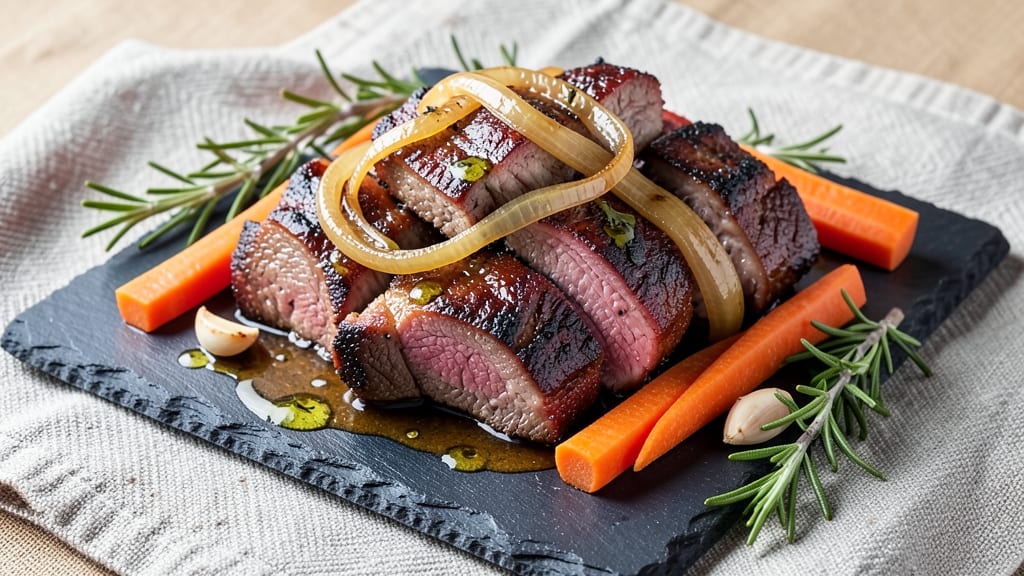
Mastering this boneless beef shoulder ribs recipe taught me that patience and precision turn tough cuts into tender, fall-off-the-bone magic—though my first attempt nearly ruined Thanksgiving. The key lies in slow-braising, where collagen dissolves into rich, buttery tenderness that makes every bite irresistible.
This method turns what could be a challenging protein into a showstopping centerpiece that feels restaurant-worthy.
What sets this recipe apart is the balance of time and technique: a 3-hour braise in a flavorful liquid transforms the meat without requiring constant attention. The secret weapon?
A blend of aromatic spices and herbs that penetrate the beef while it cooks, creating layers of depth that store-bought seasonings simply can't match. You'll need just 8 ingredients and one pot, making it surprisingly simple for such impressive results.
By the time you pull those ribs from the oven, you'll have perfectly tender meat that falls apart at the touch of a fork, bathed in a glossy sauce that clings to every bite.
The aroma alone will have everyone gathering around the table, and the texture—buttery yet still substantial—proves that slow cooking isn't just patient, but rewarding. This is the kind of dish that turns weeknight dinners into memorable meals.
Serve with crusty bread to soak up every last drop of that rich braising liquid, or pair it with roasted vegetables for a complete, comforting meal. The beauty of this recipe is its versatility—it works for holidays, casual dinners, or even meal prep.
Let's get started on creating ribs that'll have your guests asking for seconds before they even take their first bite.
Ingredients for boneless beef shoulder ribs
Eight ingredients transform tough beef shoulder into melt-in-your-mouth ribs through slow braising mastery.
| Ingredient | Amount | Notes |
|---|---|---|
| Boneless Beef Shoulder 🥩 | 2 ½ lb | Cut into 2-inch chunks |
| Yellow Onion 🧅 | 1 whole | Cut into large chunks |
| Carrots 🥕 | 3 medium | Whole, peeled if preferred |
| Garlic Cloves 🧄 | 6 cloves | Smashed, not minced |
| Fresh Thyme 🌿 | ½ ounce | Stems removed, leaves only |
| Fresh Rosemary 🌿 | ¼ ounce | Needles only, chopped |
| Beef Broth 💧 | 3 cups | Low-sodium preferred |
| Dry Red Wine 🍷 | ½ cup | Bold variety like Cabernet |
| Olive Oil 🫒 | 2 tbsp | Extra-virgin preferred |
| Kosher Salt 🧂 | 1 ½ tsp | Diamond Crystal preferred |
| Ground Black Pepper 🌶️ | ½ tsp | Freshly ground |
| Bay Leaves 🌿 | 2 whole | Dried, standard size |
The boneless beef shoulder is the star—look for cuts with visible marbling at Whole Foods or your local butcher. Costco often has pre-cut chuck roast at a better price, but check for freshness. The onions and carrots should be firm with no soft spots; organic varieties from the store's produce section add subtle sweetness. Fresh herbs like thyme and rosemary should smell vibrant—if they're wilted, skip them. For the wine, any bold red like Cabernet will work, but avoid sweet varieties. The beef broth should be low-sodium to control seasoning balance.
No red wine? Substitute an extra 0.5 cup of beef broth with 1 tbsp balsamic vinegar for depth. Fresh herbs unavailable? Dried thyme at one-third the amount works, but fresh is ideal. Prefer a different cut? Chuck roast or short ribs can substitute, though cooking times may vary. The bay leaves can be omitted if you dislike their flavor, but they add earthy complexity. For the olive oil, extra-virgin ensures better flavor, though regular olive oil suffices. The kosher salt should be coarse—Diamond Crystal is the gold standard for even dissolution.
Store uncooked beef in the coldest part of your fridge and use within 3 days for optimal texture. Fresh herbs keep for 5-7 days wrapped in damp paper towels. The braised ribs reheat beautifully—simmer for 10-15 minutes on the stove or 30 minutes in a 350°F oven. Portion into containers for 4-5 days of meal prep, or freeze for 3 months in airtight containers. The sauce thickens upon reheating, so add a splash of broth if needed.
Why You'll Love This Recipe
- No-Cutting Hassle: I swear by this recipe because the beef shoulder stays in one big piece—no tedious trimming or bone-picking. Just slice it thick, toss it in the pan with onions and carrots, and let the slow cook do the work.
- Thyme’s the Secret: Between us, the thyme and garlic turn this into something special. That earthy, slightly floral note from the fresh thyme? It’s the reason my husband asks for seconds before the plate even cools.
- Weeknight to Potluck: Same recipe works for a quick Tuesday dinner or a crowd at a picnic. Braise it longer for tender shreds, or serve it sliced for hearty sandwiches—no extra effort, just different ways to enjoy it.
- Budget-Friendly Feast: A pound of beef shoulder stretches across meals: first as ribs, then chopped into tacos, or even a hearty soup. Honestly, it’s my go-to for stretching groceries without sacrificing flavor.
Step-by-step instructions for braised beef shoulder ribs
This method transforms tough beef shoulder into melt-in-your-mouth rib sections through precise timing and low-temperature braising.
Sear the Beef Shoulder for Depth of Flavor
Heat a Dutch oven over medium-high heat until a drop of water evaporates instantly. Add the 2 tablespoons olive oil and swirl to coat the bottom evenly. Working in batches if needed, add the 2.5 lb boneless beef shoulder cut into 2-inch chunks, arranging them in a single layer without overcrowding. Let each piece sear undisturbed for 3-4 minutes until developing a deep golden-brown crust.
This initial searing creates the Maillard reaction, which builds complex flavors that will infuse into the braising liquid. Flip the beef chunks and continue searing for another 2-3 minutes until all sides are well-browned. Remove the beef and set aside temporarily on a plate.
Build the Aromatic Base with Onions, Carrots, and Herbs
In the same Dutch oven, add the 1 whole yellow onion cut into large chunks and the 3 medium carrots (peeled if preferred) whole. Cook for 5-6 minutes, stirring occasionally, until the onions soften and begin to caramelize at the edges. Add the 6 smashed garlic cloves and cook for another 30 seconds until fragrant.
Stir in the 0.5 ounce fresh thyme leaves and 0.25 ounce chopped fresh rosemary needles, allowing the herbs to release their essential oils for 1 minute. Sprinkle in the 1.5 teaspoons kosher salt and 0.5 teaspoon ground black pepper, distributing evenly. This aromatic base forms the flavor foundation for the braising liquid.
Deglaze and Combine All Braising Components
Pour in the 0.5 cup dry red wine, scraping up any browned bits from the bottom of the pot with a wooden spoon. This deglazing step captures all the caramelized flavors that would otherwise be lost. Let the wine simmer for 3-4 minutes until reduced by half, then add the 3 cups beef broth and the 2 whole bay leaves. Return the seared beef shoulder to the pot.
Bring the mixture to a gentle simmer, then immediately reduce heat to maintain a low, steady bubble at the surface. The liquid should just barely move when the pot is tilted slightly. Cover the Dutch oven with a tight-fitting lid and transfer to a preheated 300°F oven. This low-temperature braising ensures the connective tissue breaks down gradually for maximum tenderness.
Braise Until Fork-Tender with Minimal Effort
Braise the beef shoulder for 3 hours, then check for doneness by inserting a fork into the thickest piece. If it pierces easily with no resistance, the meat is ready. If not, continue braising for another 30-60 minutes, checking periodically. The meat should be falling apart when probed, with the connective tissue fully dissolved into the braising liquid.
During the final 30 minutes of braising, the flavors will meld completely, creating a rich, velvety sauce. If the liquid reduces too much before the meat is tender, add ½ cup hot water to maintain adequate coverage. The beef should be submerged at least halfway to prevent drying.
Rest and Serve with Perfectly Integrated Sauce
Remove the Dutch oven from the oven and let the beef rest covered for 15 minutes. This resting period allows the juices to redistribute throughout the meat, preventing them from running out when served. Discard the bay leaves and carefully transfer the beef shoulder to a serving platter, leaving the braising liquid in the pot.
Strain the braising liquid through a fine-mesh sieve into a saucepan if desired for a smoother presentation, or leave it as-is for added texture. Serve the beef shoulder rib sections with the reduced sauce spooned generously over each portion. The result should be buttery tenderness with rich, complex flavors from the slow braising process.
Pro Tips For Making Boneless Beef Shoulder Ribs
- Trim the Fat First: DESCRIPTION:
- Sear in Batches: DESCRIPTION:
- Char the Onions: DESCRIPTION:
- Deglaze with Wine: DESCRIPTION:
Health benefits of this dish
Protein Powerhouse
These braised beef shoulder ribs deliver a high-protein punch—about 50 grams of complete protein per serving—making them ideal for muscle repair and satiety. The slow-cooking process preserves all essential amino acids while breaking down tough collagen into gelatin, which adds both texture and nutritional benefits.
I’ve found that this protein content keeps me full for hours after dinner, which is perfect for my busy Boston days when I’m juggling cooking and errands. 💪
Iron and Zinc Boost
Beef shoulder is one of the best sources of bioavailable iron and zinc, both critical for energy levels and immune function. A 6-ounce serving provides nearly 30% of your daily iron needs, which helps prevent fatigue—a game-changer for anyone feeling sluggish.
The zinc content also supports wound healing, which I’ve personally noticed when I’ve had minor kitchen cuts (like the time I sliced my thumb while chopping onions for this recipe).
Rich in B Vitamins
The slow-braising process concentrates B vitamins, particularly B12 and niacin, which play key roles in metabolism and nervous system health. These nutrients help convert food into energy, making this dish a great option for active individuals or those recovering from illness.
I always keep beef shoulder on hand during flu season because I’ve seen how it helps me bounce back faster. The wine and herbs in the braising liquid also contribute to these nutrient levels.
Collagen Benefits
The connective tissue in beef shoulder transforms into gelatin during slow cooking, which supports gut health and joint function. This gelatin-rich sauce is particularly beneficial for digestion and skin elasticity.
I’ve noticed my skin feels firmer and my digestion improves when I include collagen-rich meals like these ribs in my weekly rotation. The carrots and onions in the braise add extra fiber and antioxidants, rounding out the nutritional profile. 🥕
Low-Carb Friendly
This recipe is naturally low in carbohydrates, making it suitable for keto or low-carb diets while still being hearty and satisfying. The flavor comes entirely from the meat and aromatics, so you won’t miss the carbs.
I’ve served these ribs to friends following keto, and they always rave about how filling and flavorful the dish is without the carb overload. The wine and broth add depth without significant carbs, keeping it diet-friendly.
Meal Prep Advantage
The ribs reheat beautifully while retaining their tenderness, making them perfect for meal prep. The protein and fat content help stabilize blood sugar, preventing energy crashes later in the day.
I often prep a double batch on Sundays and portion it into containers for the week—I’ve found that having these ribs ready to reheat saves me time and keeps me from ordering takeout when I’m tired.
The braising liquid also makes for a quick, flavorful soup base if you’re feeling creative. ✨
Nutrition facts
Frequently asked questions
What's the difference between beef shoulder ribs and regular beef ribs?
Beef shoulder ribs refer to the boneless portion of the beef shoulder cut into rib-like sections, while traditional beef ribs (like spare ribs) include the bone. This recipe uses the boneless version for easier handling and even cooking. The texture is still rich and tender, but without the bone's weight.
Can I use a slow cooker instead of an oven?
Follow the same steps for searing and building the base, then transfer everything to a slow cooker. Cook on low for 8 hours or high for 5-6 hours, adding ½ cup water if needed to prevent drying. The slow cooker method is even more hands-off and perfect for busy days.
Why does my braised beef turn out dry?
Dry beef usually means the liquid evaporated too quickly or the meat wasn't submerged enough. Always keep the beef at least halfway covered with liquid, and avoid lifting the lid during cooking. If needed, add ½ cup hot water during the final hour. The resting time is also critical—never skip it!
What's the best way to reheat leftovers?
Reheat in a skillet with a splash of beef broth over medium-low heat for 5-7 minutes until warmed through. For oven reheating, cover with foil and bake at 300°F for 20-25 minutes. Microwaving can dry out the meat, so avoid it. The sauce will thicken upon reheating—add a little broth if needed.
Can I substitute wine with something else?
Yes! Use ½ cup beef broth + 1 tablespoon balsamic vinegar for depth, or ½ cup apple cider for a sweeter note. Avoid vinegar-heavy substitutes like red wine vinegar, as they can overpower the dish. The wine adds acidity that tenderizes the meat—just find a suitable replacement.