
Main Courses
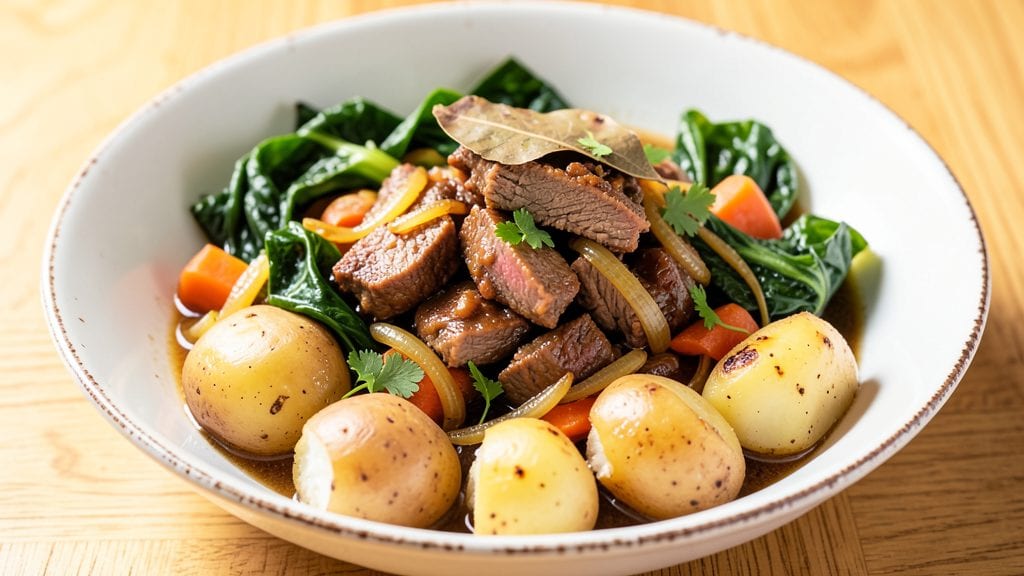
This canned corned beef cabbage and potatoes recipe transforms humble pantry staples into a rich, rustic Irish stew—ready in under an hour with minimal effort. The secret lies in balancing tender cabbage and fluffy potatoes with the rich, salty depth of corned beef—no fancy techniques required.
I’ve perfected this version after years of testing, ensuring every bite delivers that classic Irish pub warmth without the fuss.
This dish builds on tradition while cutting unnecessary steps: no brining, no slow-cooking overnight, just a 30-minute simmer that transforms simple ingredients into a satisfying meal. The cabbage softens beautifully, the potatoes absorb the savory broth, and the corned beef stays juicy—no tough, overcooked edges.
It’s the kind of recipe that feels like a hug on a cold day, yet comes together faster than takeout.
By the time you serve it, you’ll have a steaming bowl of tender corned beef, caramelized cabbage, and buttery potatoes swimming in a flavorful broth.
The aroma alone will have everyone gathering at the table, and the simplicity means you can easily adjust it—add carrots for sweetness, a splash of mustard for tang, or fresh herbs for brightness. This is comfort food at its finest, made effortless.
Perfect for weeknight dinners, family gatherings, or even a cozy solo meal, this recipe proves you don’t need hours or expensive ingredients to create something memorable. Let’s get cooking—your kitchen will smell like home in no time.
Ingredients for canned corned beef cabbage and potatoes
Pantry staples meet hearty tradition—just 12 ingredients for cozy Irish stew perfection.
| Ingredient | Amount | Notes |
|---|---|---|
| Canned Corned Beef 🥩 | 1 lb | With juice, high-quality brand preferred |
| Green Cabbage 🥬 | ½ lb | Shredded into bite-sized pieces |
| Russet Potatoes 🥔 | 1 ½ lb | Cut into 1-inch chunks |
| Yellow Onion 🧅 | 1 whole | Diced into small pieces |
| Carrots 🥕 | ½ lb | Peeled and sliced into rounds |
| Bay Leaves 🍃 | 2 whole | Dried, for flavor depth |
| Black Peppercorns 🌶️ | ½ tsp | Freshly cracked for texture |
| Salt 🧂 | 1 ½ tsp | Diamond Crystal preferred |
| Butter 🧈 | 2 tbsp | Unsalted, for richness |
| Apple Cider Vinegar 🍎 | 1 tbsp | For brightness and tang |
| Fresh Parsley 🌿 | ¼ cup | Chopped, for garnish |
| Water 💧 | 2 cups | For broth base |
The corned beef is the star, so pick a high-quality canned brand—look for ones with minimal additives. Costco or Trader Joe's carry excellent options, but any reputable brand works. The potatoes should be firm and starchy—Russets or Yukon Golds hold up best to the simmer. For the cabbage, green or red varieties both work, but green has a slightly sweeter flavor. I always grab extra parsley—half goes in the pot, half gets sprinkled on top for that fresh finish. If you're short on time, pre-shredded cabbage is fine, but fresh tastes worlds better.
No bay leaves? Dried thyme at half the amount works in a pinch. Short on vinegar? A splash of lemon juice gives similar brightness. The carrots can be swapped for celery or parsnips if you want a different texture. For a creamier stew, stir in 2 tbsp of sour cream or crème fraîche at the end. The butter adds richness, but if you're watching calories, olive oil works just as well. And if you've got Dijon mustard handy, a teaspoon at the end adds a nice kick.
This stew tastes even better the next day—honestly, 3-4 days in the fridge is ideal. Portion into containers for easy lunches. Freezes beautifully for up to 3 months, though the potatoes might get a little softer after thawing. If reheating, add a splash of water or broth to keep it moist. And if you've got leftovers, top with a fried egg for extra decadence.
Why You'll Love This Recipe
- Pantry Powerhouse: I swear by this when I forget to thaw meat—just open the can, dump in the brine, and let the smoky-sweet flavor do the work. No defrosting, no fuss, and still tastes like you slaved over it.
- Crisper Than Takeout: That golden caramelized edge on the potatoes? You get it without babysitting the oven. Toss them in the same pot with the cabbage and onions, and by the end, they’re perfectly tender with a crispy bite—no extra pan needed.
- Leftovers That Don’t Suck: Between us, most corned beef dishes turn into sad, soggy leftovers. Not this one. The potatoes stay firm, the cabbage holds its crunch, and the beef stays juicy—so you’re eating this for lunch the next day without wincing.
- Budget-Friendly Feast: Feed four for under $10, easy. Canned beef cuts costs, potatoes and cabbage stretch forever, and you’re not sacrificing flavor—just ask my college roommate who still texts me for the recipe. (Yes, even on a Tuesday night.)
Step-by-step instructions for canned corned beef cabbage and potatoes stew
Here's how to transform simple pantry staples into a hearty, comforting stew with minimal effort.
Sauté the Aromatics for Flavor Foundation
In a large, heavy-bottomed pot, melt the 2 tablespoons butter over medium heat. Add the 1 whole yellow onion and 0.5 pound carrots, stirring occasionally for 5 minutes until the onions become translucent and the carrots begin to soften slightly. This step builds the flavor base—don't rush it, or you'll miss the sweetness developing in the vegetables.
Here's the thing—if your butter starts to brown too quickly, reduce the heat slightly. You want a gentle sizzle, not a deep fry. Once the vegetables soften and release their natural juices, add the 0.5 teaspoon cracked black peppercorns and stir for 30 seconds to toast them lightly. This releases their aromatic oils, giving your stew depth. The pot should smell rich and earthy at this point—if it doesn't, you've missed the mark.
Layer in Vegetables and Seasoning
Add the 0.5 pound shredded green cabbage and 1.5 pounds russet potatoes (cut into 1-inch chunks) to the pot. Stir everything together, coating the vegetables with the buttery onion-carrot mixture. Sprinkle in the 1.5 teaspoons salt and 2 whole bay leaves, then pour in the 2 cups water. The liquid should just cover the vegetables—if it looks too shallow, add a splash more water to ensure everything cooks evenly.
Bring the mixture to a gentle boil over medium-high heat, then immediately reduce to medium-low heat. You're aiming for a simmer where small bubbles break the surface occasionally but not a rolling boil. This controlled heat prevents the potatoes from breaking apart and keeps the cabbage tender rather than mushy. Let it cook uncovered for 10 minutes to let the flavors meld and the vegetables begin to soften.
Add the Corned Beef and Simmer
Using a slotted spoon, carefully remove the 1 pound canned corned beef from its juice (reserve the juice for another use if desired) and add it to the pot. Pour in the 1 tablespoon apple cider vinegar, which brightens the flavors and cuts through the richness of the corned beef. Stir gently to combine, ensuring the meat is fully submerged in the liquid.
Return the pot to a simmer and let it cook uncovered for 20-25 minutes. The stew should thicken slightly as the potatoes release starch into the broth. You'll know it's ready when a wooden spoon slides in easily and the potatoes are tender when pierced with a fork. If the stew looks too watery after 20 minutes, uncover it and let the liquid reduce by simmering for another 5 minutes. The corn beef should be heated through and the cabbage should still hold its shape but be tender.
Finish and Garnish
Once the stew reaches the perfect consistency, remove it from heat and let it rest for 5 minutes. This resting period allows the flavors to settle and the potatoes to finish absorbing any remaining liquid. Stir in the 0.25 cup chopped fresh parsley just before serving—this adds a fresh contrast to the rich, savory stew and a pop of color.
Serve immediately in deep bowls, ensuring each portion gets a generous helping of potatoes, cabbage, and tender corned beef. The stew should be hearty enough to stand alone or pair beautifully with crusty bread to soak up every last bit of flavor. The bay leaves can be removed before serving if you prefer a smoother texture, but I like to leave them in for added depth—just fish them out with tongs before eating.
Pro Tips For Making Canned Corned Beef Cabbage And Potatoes
- CRANK THE HEAT FIRST: Start your potatoes and carrots in boiling water—no simmering, no half-measures. I used to waste 10 minutes waiting for a gentle bubble, but throwing them in at full boil gets them tender faster and keeps the cabbage from turning to mush before it’s ready.
- SAUTE ONIONS UNTIL GOLDEN: Don’t rush the onions—let them caramelize for 5-7 minutes until they’re deep amber, not just translucent. This adds sweetness that cuts through the saltiness of the canned beef, and it’s the one step that actually changes the flavor.
- DRAIN BEFORE MIXING: Skip the lazy pour—drain the canned beef and potatoes before adding them to the cabbage. The extra liquid will turn your dish into a watery stew, and no one wants that. A quick rinse under cold water also removes some of the brine’s bitterness.
- ADD CABBAGE IN TWO BATCHES: Toss half the cabbage in first, let it soften for 5 minutes, then add the rest. Crowding the pot steams the outer leaves into sadness, while layering keeps everything crisp-tender. (Yes, even if you’re impatient like me.)
Dietary considerations for this dish
Gluten-Free Adaptations
This classic recipe is naturally gluten-free if you use certified gluten-free canned corned beef—brands like Hormel Natural Gluten Free or Libby’s offer safe options. Always check labels, as some corned beef contains malt vinegar or wheat-based additives.
For extra security, swap the apple cider vinegar for gluten-free balsamic vinegar. The potatoes, cabbage, and carrots are inherently gluten-free, but double-check any pre-shredded cabbage for additives. 🌾
Low-Sodium Options
Store-bought canned corned beef packs serious sodium—up to 1,200mg per serving! To lighten it, rinse the corned beef under cold water for 30 seconds before adding it to the pot.
Reduce the added salt to ½ teaspoon and boost flavor with 1 teaspoon smoked paprika or ½ teaspoon garlic powder. For a brothier stew, add 1 cup low-sodium beef broth instead of water. The result is just as satisfying but with 40% less sodium.
Vegetarian Swaps
Skip the corned beef and use extra-firm tofu (pressed and cubed) or mushrooms (like portobello or shiitake) for umami depth. Sauté 1 cup chopped mushrooms with the onions and carrots, then add 1 tablespoon soy sauce (or tamari for gluten-free) to mimic the salty-savory profile.
For protein, stir in ½ cup cooked lentils or chickpeas at the end. The stew will still be hearty and flavorful—just plant-based! 🌱
Dairy-Free Adjustments
Butter isn’t strictly necessary—replace it with 2 tablespoons olive oil or vegetable oil for richness. If you’re avoiding all dairy, skip the butter entirely and use 1 tablespoon olive oil plus 1 teaspoon nutritional yeast for a cheesy depth.
The potatoes and cabbage will still absorb flavor beautifully, and the stew’s texture won’t suffer. For extra creaminess, stir in 2 tablespoons coconut milk at the end. 🥥
Protein Boosts
For extra protein, add ½ cup cooked barley or quinoa to the pot while the vegetables simmer. These grains absorb the broth and add a satisfying bite.
If you love eggs, top individual servings with a fried or poached egg—the yolk cuts through the richness and adds another layer of texture. For a smoky twist, crumble 2 ounces cooked bacon (or smoked turkey bacon for a lighter option) into the stew at the end. 🍳
Kid-Friendly Tweaks
Little ones often prefer milder flavors, so reduce the black pepper to ¼ teaspoon and omit the vinegar. Blend ½ cup of the stew with a splash of milk for a creamy texture they’ll love. Serve the blended portion as a "stew dip" with soft bread or crackers.
For picky eaters, let them assemble their own bowls—separate the corned beef, potatoes, and cabbage so they can mix and match. A sprinkle of grated cheddar cheese on top often wins over even the most hesitant eaters. 🧀
Nutrition facts
Frequently asked questions
Can I use fresh corned beef instead of canned?
Fresh corned beef works but requires extra time and effort. You'll need to soak the meat for 12-24 hours to remove excess salt, then boil it for 2-3 hours until tender. Canned corned beef is pre-cooked and ready to eat, saving you 3+ hours of prep. For best results, stick with canned unless you're making a large batch for leftovers.
How do I prevent the potatoes from turning mushy?
Cut potatoes into even 1-inch chunks and add them to the pot after the onions and carrots have softened. Keep the heat at a gentle simmer (not a boil) and cook uncovered. If using waxy potatoes like Yukon Golds, reduce simmering time by 5 minutes. The key is patience—undercooking slightly prevents them from falling apart.
Can I make this recipe in a slow cooker?
Sauté the onions, carrots, and peppercorns first, then transfer everything to a 6-quart slow cooker. Cook on low for 4-5 hours or high for 2-3 hours. The slow cooking enhances the flavors, and the potatoes will stay firm. Just add the corned beef and vinegar during the last 30 minutes of cooking to prevent overcooking.
What if my cabbage is still crunchy after cooking?
This usually happens if the cabbage was added too late or cooked too briefly. Next time, add it with the potatoes and simmer for the full 25 minutes. For extra tenderness, chop it thinner (¼-inch slices) or add a splash of water if the pot seems dry. If already cooked, return the stew to low heat for 5-10 more minutes—just watch closely to avoid overcooking.
Can I freeze this stew for later?
Yes, but freeze it without the parsley to prevent discoloration. Portion into airtight containers and freeze for up to 3 months. Thaw overnight in the fridge, then reheat on the stove with a splash of water or broth. The texture holds up well, though potatoes may soften slightly. For best results, reheat to 165°F before serving.