
Main Courses
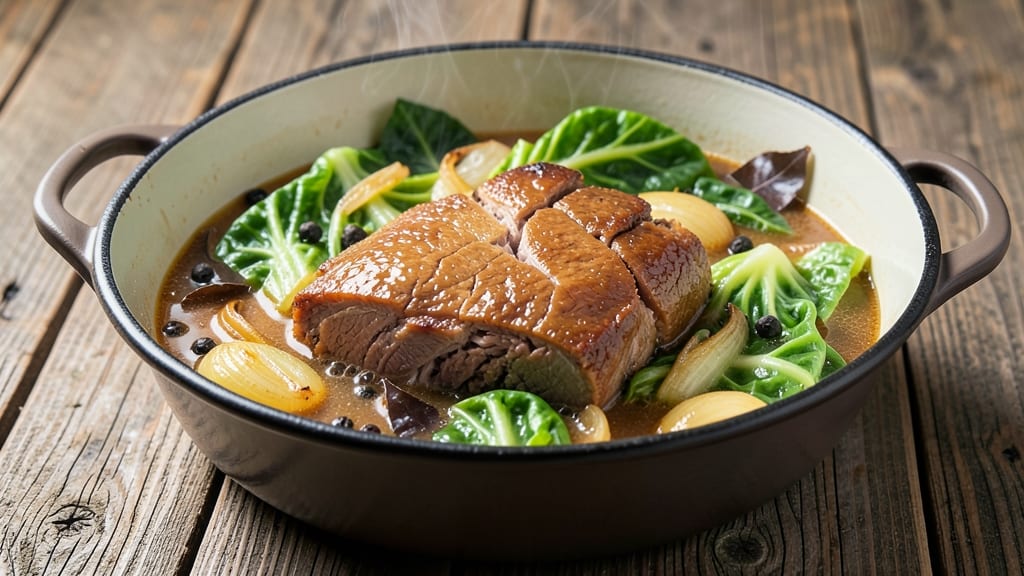
This classic boiled corned beef and cabbage recipe delivers the hearty, savory flavors that define St. Patrick's Day traditions—tender beef, perfectly softened cabbage, and a rich broth that tastes even better the next day. The slow-simmering method transforms tough cuts into melt-in-your-mouth perfection while infusing the kitchen with an aroma that announces dinner is ready. I've perfected this technique over years of holiday celebrations, ensuring every bite stays true to the original while adapting for modern kitchens.
The beauty of this dish lies in its simplicity and tradition. With just a few key ingredients—corned beef, cabbage, onions, and spices—you create a meal that feels both comforting and special.
The cabbage becomes tender yet retains its color, while the beef develops a deep, satisfying flavor from the slow cook. This isn't just a recipe; it's a centerpiece that brings families together, whether for a festive holiday or a cozy weeknight dinner.
What you'll achieve is a dish that's rich in flavor and tradition, with a pot that yields more than just the meat—every spoonful of that aromatic broth deserves to be savored. The cabbage stays vibrant and slightly sweet, while the beef becomes so tender it practically falls apart.
This is the kind of meal that tastes like home, with minimal effort and maximum reward. Ready to make it?
Pair it with classic sides like buttery mashed potatoes, crisp roasted carrots, or a simple green salad to complete the meal. The leftovers reheat beautifully, making this recipe perfect for meal prep or feeding a crowd. Let's get started on this timeless tradition.
Ingredients for classic boiled corned beef and cabbage
Nine essential ingredients transform into a St. Patrick's Day tradition that feeds six with hearty, aromatic perfection.
| Ingredient | Amount | Notes |
|---|---|---|
| Corned Beef Brisket 🥩 | 4 lb | Pre-cured, 3-4 lb cut preferred |
| Green Cabbage 🥬 | 2 lb | Green or purple, whole head |
| Yellow Onions 🧅 | 3 whole | Medium size, peeled |
| Bay Leaves 🌿 | 4 whole | Fresh preferred |
| Black Peppercorns 🌶️ | 1 tbsp | Crushed, not ground |
| Salt 🧂 | 1 tsp | Kosher or sea salt |
| Carrots 🥕 | 4 whole | Medium size, peeled |
| Fresh Parsley 🌿 | ¼ cup | Chopped, for garnish |
| Russet Potatoes 🥔 | 2 lb | Yukon gold works too |
| Water 💧 | 12 cups | Tap or filtered preferred |
The corned beef brisket is the centerpiece—4 pounds ensures everyone gets a generous portion. Look for pre-cured cuts at Whole Foods or your local butcher; the 3-4 pound size is ideal for even cooking. If using frozen, thaw overnight in the fridge. The cabbage should be firm and vibrant, not wilted. Green or purple varieties both work, but green holds up slightly better during cooking. For the potatoes, Russet or Yukon Gold are perfect—they stay firm while absorbing the broth's flavors.
No fresh bay leaves? Dried at one-fourth the amount works in a pinch, but fresh is preferred for that authentic aroma. The onions and carrots can be swapped for leeks or parsnips if you're feeling adventurous. Short on parsley? Fresh cilantro or chives add a nice brightness. For the water, filtered or spring water prevents any off-flavors, but tap water is fine if your local supply is good. The black peppercorns should be crushed lightly—not ground into powder—to maintain their aromatic oils.
This dish tastes even better the next day, so make extra if you can. Store leftovers in the broth for up to 5 days in the fridge, or freeze portions for up to 3 months. The cabbage and potatoes reheat beautifully—just warm through gently. For serving, garnish with fresh parsley and a sprinkle of black pepper. The broth alone is worth saving—use it for mashed potatoes or as a base for soups.
Why You'll Love This Recipe
- One-Pot Magic: I swear by this—just toss the brisket, cabbage, onions, and spices into a pot, add water, and walk away. No chopping like a maniac, no fancy techniques. The cabbage softens right in the broth, and the onions caramelize just enough to make everything taste like it simmered for hours.
- Salty-Sweet Symphony: That cured brisket? It’s already packed with flavor—smoky, peppery, and just sweet enough. Add the bay leaves and peppercorns, and you’ve got a broth that’s rich but not heavy, with cabbage that’s tender without falling apart. It’s the kind of dish where every bite feels like a hug.
- Leftovers That Don’t Suck: Honestly, I make this on Sundays because the leftovers are better the next day. The beef gets even more tender, and the cabbage soaks up all that salty goodness. Sandwich it, toss it in a salad, or just reheat it—it’s always a win, and I’m not ashamed to admit I often eat it straight from the fridge.
- Budget-Friendly Feast: Between us, this recipe is my go-to for feeding a crowd without breaking the bank. A big brisket and a head of cabbage stretch for days, and the ingredients? Basic stuff you already have. It’s the kind of meal that makes you feel like you’re serving something special, even if you’re just heating up a pot of water.
Step-by-step instructions for slow-simmered corned beef and cabbage
This traditional method delivers tender corned beef with perfectly softened vegetables every time.
Prepare the Corned Beef Brisket
Rinse the 4 lb corned beef brisket thoroughly under cold water to remove any excess curing salt. Pat it completely dry with paper towels—this helps the meat absorb flavors more evenly during cooking. Place the brisket in a large stockpot that can comfortably hold all ingredients without overcrowding.
Add the 3 whole yellow onions, 4 whole carrots, and 2 lb russet potatoes to the pot with the brisket. The vegetables should surround the meat but not be packed tightly. This arrangement allows the meat to cook evenly while the vegetables absorb flavor from the cooking liquid.
Here's the thing—don't skip the vegetable layering. The onions and carrots will caramelize slightly during the long simmer, adding depth to the broth. The potatoes will become fork-tender and soak up the rich flavors.
Season and Add Aromatics
Add the 12 cups water to the pot, making sure the brisket is completely submerged. If it's not, add enough additional water to cover it by at least 1 inch. Bring the water to a gentle boil over medium-high heat, then reduce the heat to maintain a low simmer—you should see just a few small bubbles breaking the surface.
Add the 4 whole bay leaves, 1 tbsp crushed black peppercorns, and 1 tsp salt to the pot. I like to press the bay leaves gently against the meat to release their aromatic oils. The peppercorns will infuse the broth with subtle warmth, while the salt enhances all the flavors.
This is the moment that matters: once the liquid returns to a simmer, cover the pot with a tight-fitting lid. The trapped steam will help tenderize the meat and vegetables more evenly. Don't walk away—keep an eye on the heat to maintain that gentle simmer.
Simmer Until Tender
Simmer the corned beef and vegetables uncovered for 3 hours. This long cooking time is essential—it breaks down the tough connective tissue in the brisket while allowing the vegetables to soften perfectly. Check the water level occasionally and add ½ cup hot water if it drops below the meat level.
After 3 hours, use tongs to carefully turn the brisket over. This ensures even cooking on all sides. The meat should be fork-tender but still have a slight resistance. If it's not quite there, continue simmering for another 30 to 60 minutes, checking periodically.
Real talk: your oven might run hot, so start checking at the 2 hour 45 minute mark if you're impatient. The brisket is done when it pulls apart easily with two forks and the internal temperature reaches 205°F in the thickest part.
Add the Cabbage and Finish Cooking
Remove the brisket from the pot and set it aside on a cutting board. Add the 2 lb green cabbage, cut into 6 wedges, to the pot. The cabbage should fit snugly around the vegetables but not be overcrowded. Return the liquid to a simmer and cook for 30 to 45 minutes, until the cabbage is tender and wilted.
Here's where it gets fun—the cabbage should be bright green and slightly crisp but easily pierced with a fork. If it's still too firm after 45 minutes, add ½ cup hot water and continue cooking. The cabbage absorbs the rich broth, making it incredibly flavorful.
Don't skip this (I learned the hard way): if the cabbage starts to look waterlogged, remove the lid for the last 10 minutes of cooking. This allows excess moisture to evaporate, concentrating the flavors.
Rest and Serve
Remove the pot from heat and let everything rest for 15 minutes before serving. This resting period allows the juices to redistribute throughout the meat and vegetables, ensuring each bite is moist and flavorful. Tent the pot loosely with foil if you're serving immediately.
Slice the corned beef brisket against the grain into ¼-inch thick slices. The meat should be tender enough to pull apart with a gentle tug but not so soft it falls apart. Serve the brisket with the cabbage, carrots, onions, and potatoes, ladling the rich broth over the top.
Garnish with the 0.25 cup chopped fresh parsley just before serving. The parsley adds a fresh contrast to the rich, savory flavors of the dish. This classic combination is perfect for St. Patrick's Day or any special occasion.
Pro Tips For Making Classic Boiled Corned Beef And Cabbage
- Trim the Fat First: Cut the thick fat cap off the brisket before boiling—it doesn’t render flavor, just makes the broth greasy. I used to skip this, and the broth always looked like a science experiment gone wrong.
- Core the Cabbage: Remove the tough core from the cabbage wedges so they cook evenly and don’t stay crunchy in the center. No one wants a bite of raw stem in their mashed potatoes.
- Start with a Boil, End with a Simmer: Bring the pot to a full boil to dissolve the spices, then drop to a gentle simmer (180°F/82°C) to cook the meat tenderly. Rushing the simmer turns the beef tough as a boot.
- Save the Pickle Juice: Drain the corned beef but reserve ½ cup of the brine—it’s packed with flavor. Add it back to the pot with the meat to keep everything juicy and balanced.
Storing and reheating your classic boiled corned beef and cabbage
Refrigerator Storage
Store your corned beef and cabbage in the broth—this preserves moisture and flavor. Transfer everything to an airtight container (I use glass Pyrex with snap-on lids) and refrigerate for up to 5 days.
The broth actually deepens in flavor overnight, making leftovers taste even better. Always keep the meat submerged to maintain tenderness. 💪
Freezer-Friendly Tips
For longer storage, freeze portions in airtight freezer bags (leave 1 inch headspace for expansion). The corned beef stays tender for up to 3 months, while the cabbage and potatoes hold up well for 2 months.
Label bags with dates—this dish reheats beautifully straight from the freezer. I recommend freezing broth separately for soups or mashed potatoes later. ❄️
Stovetop Reheating
My preferred method: Pour the cold corned beef and cabbage into a heavy-bottomed pot with ½ cup reserved broth. Heat over medium-low for 10-12 minutes, stirring occasionally.
The slow reheat prevents the cabbage from turning mushy. Add a splash more broth if needed—this keeps everything juicy. Taste and adjust salt, as flavors concentrate during storage. 🔥
Microwave Shortcut
For quick meals, transfer portions to a microwave-safe dish with a splash of broth. Cover loosely with a paper towel (prevents drying) and heat on 50% power for 3-4 minutes.
Stir halfway through—this ensures even heating. The cabbage should be warm through but still retain its texture. Avoid overcooking, or it'll turn soggy. ✨
Broth Preservation
Save the rich cooking broth—it's the soul of this dish! Strain out solids and store in glass jars in the fridge for 4 days or freeze for 3 months.
Use it for mashed potatoes, gravy, or even corned beef hash later. The flavor is so concentrated, you'll want to keep a jar on hand for future meals. 💡
Serving Leftovers
Reheat just the corned beef for sandwiches (add mustard and sauerkraut) or serve as a corned beef hash with potatoes and onions. The cabbage works perfectly in coleslaw or stir-fries.
Leftovers make great lunchbox meals—pack with crackers and pickles for a hearty repast. The possibilities are endless with this versatile dish! 🌟
Nutrition facts
Frequently asked questions about slow-cooked corned beef and cabbage
Why does the corned beef need to cook so long?
The 3-hour simmer is key to transforming tough brisket into tender perfection. This slow cooking breaks down collagen in the meat, creating that melt-in-your-mouth texture while infusing it with the aromatic broth. The longer cook time also allows the spices to meld completely, resulting in deeper flavor.
Can I use frozen corned beef for this recipe?
Yes, but thaw it completely first in the fridge for 24 hours—never at room temperature. Frozen meat can release water during cooking, diluting the broth and potentially making the cabbage soggy. Always pat the meat dry before adding it to the pot to maintain proper seasoning.
What if my cabbage turns waterlogged?
This happens when too much moisture builds up. To fix it, remove the lid for the last 10 minutes of cooking to let excess steam escape. For future batches, reduce water by ½ cup or add cabbage later in the cooking process. The goal is tender, not mushy—bright green and slightly crisp is perfect!
How do I know when the meat is fully cooked?
Use two methods: The meat should pull apart easily with two forks, and the internal temperature should reach 205°F in the thickest part. If it's still firm after 3 hours, add 30 more minutes—patience pays off! The broth should be rich and slightly reduced by the end.
Can I make this in a slow cooker instead?
Brown the brisket in a skillet first for deeper flavor, then transfer everything to the slow cooker with 4 cups water. Cook on low for 8-10 hours or high for 5-6 hours. Add cabbage in the last 1 hour to prevent overcooking. The slow cooker maintains even heat, making it foolproof for busy days.