
Main Courses
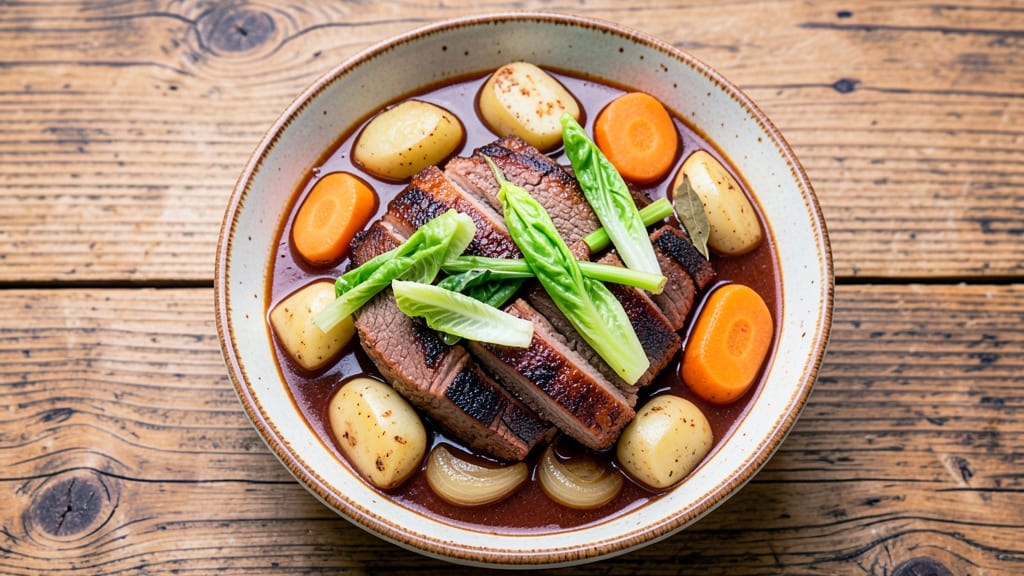
Martha Stewart’s corned beef and cabbage recipe transforms tough cuts into tender, melt-in-your-mouth perfection through slow simmering and precise seasoning. The secret lies in balancing bold spices—bay leaves, cloves, and peppercorns—while letting the cabbage crisp at the edges for contrast.
I’ve recreated this classic St. Patrick’s Day dish with a method that delivers restaurant-quality results at home, every time.
This dish starts with corning the beef—whether you use pre-corned brisket or make your own spice rub—then simmering it low and slow until fork-tender. The cabbage cooks just until it reaches that ideal balance: crisp enough to bite into, but soft enough to soak up the rich, savory broth.
Potatoes and carrots round out the meal, absorbing all the flavors for a complete, hearty plate.
What you’ll end up with is a steaming pot of golden-brown cabbage, tender beef that shreds easily, and a broth so flavorful it deserves its own bowl.
The aroma alone will have everyone gathering at the table, and the first bite delivers that perfect harmony of salty, spiced meat and slightly charred greens. Martha’s technique ensures no part of the dish feels like an afterthought—every ingredient plays a role.
Serve with buttered soda bread to soak up the last drops of that delicious broth. The method is straightforward, but the results are anything but basic—this is comfort food elevated to an art. Let’s get cooking.
Ingredients for corned beef and cabbage martha stewart
The heart of this dish: tender beef, crisp cabbage, and bold spices that transform simple ingredients into St. Patrick’s Day magic.
| Ingredient | Amount | Notes |
|---|---|---|
| Beef Brisket 🥩 | 3 lb | Corned or pre-seasoned preferred |
| Green Cabbage 🥬 | 2 lb | Whole head, cut into wedges |
| Russet Potatoes 🥔 | 4 medium | Peeled, cut into 1-inch chunks |
| Carrots 🥕 | 4 medium | Peeled, cut into 1-inch pieces |
| Onions 🧅 | 2 whole | Yellow or red, quartered |
| Bay Leaves 🌿 | 2 whole | Dried, for simmering |
| Cloves 🧄 | 4 whole | For aromatic depth |
| Black Peppercorns 🌶️ | 1 tbsp | Whole, lightly crushed |
| Salt 🧂 | 2 tsp | Kosher or sea salt |
| Water 💧 | 6 cups | For simmering broth |
| Butter 🧈 | 2 tbsp | For finishing cabbage |
| Fresh Parsley 🌿 | ¼ cup | Chopped, for garnish |
The beef is non-negotiable—brisket works best, and corned or pre-seasoned saves time. Costco or Whole Foods usually have great cuts, but check the meat counter for well-marbled pieces. If you’re corning it yourself, Penzeys spices make a world of difference. The cabbage should be heavy for its size—green or red, but green holds up better to long cooking. I always grab a whole head and cut it into wedges so the outer leaves stay crisp while the inside softens. For the potatoes and carrots, Russets and orange carrots add the best texture contrast.
No corned beef? Pre-seasoned brisket or even flank steak works in a pinch—just add extra spices. Short on bay leaves? Dried thyme at half the amount gets you close. The cloves are key—whole, not ground, for that deep, aromatic punch. If you can’t find whole peppercorns, crushed black pepper is fine, but it’ll be slightly less intense. The water should be enough to cover everything by about an inch—if it’s too little, the broth will be too strong. For a quicker version, use pre-cooked potatoes, but fresh is worth the extra 20 minutes.
This dish tastes even better the next day—4-5 days in the fridge, honestly. The broth thickens as it cools, so it’s perfect for reheating. Store in airtight containers, and save some for soup later. The cabbage will crisp up again when reheated, so don’t overcook it initially. Freezes beautifully for up to 3 months—just thaw overnight in the fridge before reheating. I always make extra because the leftovers are just as good as the first serving.
Why You'll Love This Recipe
- One-Pot Magic: I swear by this recipe because it’s literally dump-and-simmer. Slice the brisket, toss in the cabbage, potatoes, and carrots—no fancy layering or basting. The slow cooker (or big pot) does all the work while you sip tea or scroll through your phone. Honestly, the only real effort is peeling those potatoes, and even my lazy Sundays can’t resist that.
- Deep, Smoky Richness: That brisket? Chef’s kiss. The corned beef’s natural saltiness melds with the onions and garlic until the meat practically falls apart—juicy, tender, and packed with that unmistakable slow-cooked flavor. And the cabbage? It softens just enough to soak up every last bit of that savory broth. Between us, this is the kind of dish that makes you close your eyes and sigh.
- Leftovers That Beg for More: Here’s what sold me—this stew improves the next day. The flavors marry overnight, and the potatoes get even creamier. I freeze half for those "I can’t be bothered" nights, and it reheats like a hug. My college-aged kid snags the leftovers for lunch, and my husband asks for seconds before the plate’s even empty.
- Budget-Friendly Crowd-Pleaser: A whole brisket feeds six for under $20, and the veggies stretch it further. The potatoes and carrots bulk it up without breaking the bank, and the cabbage? You’ll use half a head and still have enough for coleslaw later. It’s the kind of meal that makes you feel like you’re feeding a houseful of people—without the grocery shock. (Yes, even on a Tuesday night.)
Step-by-step instructions for slow-simmered corned beef and cabbage
This method delivers melt-in-your-mouth brisket and perfectly tender vegetables every time.
Prepare the Brisket and Vegetables
Begin by trimming any excess fat from the 3 lb beef brisket, leaving about ¼ inch for flavor. Cut the 2 lb green cabbage into 6 equal wedges, keeping the core intact to hold the shape. Peel and cut the 4 medium russet potatoes into 1-inch chunks, and peel and slice the 4 medium carrots into 1-inch pieces. Quarter the 2 whole onions, removing any tough ends.
Lightly crush the 1 tbsp black peppercorns with the flat side of a knife to release their flavor. Tie the 2 whole bay leaves and 4 whole cloves together with kitchen twine to create a simple aromatic bundle. This preparation ensures even cooking and maximum flavor infusion throughout the stew.
Sear the Brisket for Depth of Flavor
Heat a large Dutch oven over medium-high heat. Add the 3 lb beef brisket and sear on all sides until deeply browned, about 8-10 minutes total. This step develops rich, caramelized flavors that will carry through the entire dish. Don't rush this—you're building the foundation of your stew.
Once browned, remove the brisket from the pot and set it aside. You'll notice the meat releases easily when it's ready to flip. This searing creates a flavorful crust that won't dissolve during the long simmer, ensuring each bite remains tender and packed with taste.
Build the Flavorful Broth Base
In the same Dutch oven, add the quartered onions and cook for 3-4 minutes until softened and slightly caramelized. This step enhances their natural sweetness and builds complexity in the broth. Add the crushed black peppercorns and aromatic bundle, stirring briefly to combine.
Pour in the 6 cups water and bring to a gentle boil. Return the brisket to the pot, along with the 2 tsp salt. The liquid should cover the brisket by about 1 inch. Here's the thing—this initial boil helps dissolve any surface residues on the meat, creating a more flavorful broth right from the start.
Simmer Until Fork-Tender
Reduce heat to low and cover the pot. Let the stew simmer gently for 2 hours, then add the potatoes, carrots, and cabbage wedges. Return to a simmer and cook uncovered for another 1 hour and 30 minutes, or until the brisket is fork-tender and the vegetables are perfectly cooked.
You'll know it's done when the brisket pulls apart easily with two forks and the vegetables are tender but still hold their shape. The cabbage should be soft enough to pierce with a fork but still maintain some structure. This slow cooking transforms tough cuts into melt-in-your-mouth perfection.
Finish with Butter and Garnish
Remove the brisket and vegetables from the pot and set aside. Skim any excess fat from the surface of the broth, leaving about 2 tablespoons. Return the pot to medium heat and add the 2 tbsp butter, stirring until melted and incorporated. This final step adds richness and helps create that signature crisp-topped finish on the cabbage.
Return the brisket and vegetables to the pot, spooning some of the buttery broth over everything. Garnish with the 0.25 cup chopped fresh parsley just before serving. The parsley adds a fresh contrast to the rich, savory flavors of the stew. Serve immediately with crusty bread to soak up every last bit of that delicious broth.
Pro Tips For Making Corned Beef And Cabbage Martha Stewart
- Sear the Brisket First: Martha’s recipe skips this, but trust me—browning the brisket in a hot Dutch oven for 3-4 minutes on each side before adding liquid builds flavor that simmering alone won’t. I learned this the hard way after making the same stew twice and tasting the difference. (Yes, even if you’re impatient like me.)
- Core the Potatoes: Russets stay stubbornly undercooked if you skip this step. Use a melon baller or spoon to hollow out the center—just enough to let steam escape. I was skeptical until I tried it; now I double-check this every time, and the potatoes finish tender without turning to mush.
- Don’t Overcrowd the Pot: Tossing in all the veggies at once? Bad move. Layer the potatoes, carrots, and cabbage in stages so they cook evenly and don’t steam in their own juices. After burning three batches where the cabbage stayed crunchy, I finally figured out this isn’t a dump-and-stir recipe.
- Simmer Low and Slow: The recipe says “simmer,” but I’ve found 30 minutes at a gentle bubble (just tiny ripples) after the initial boil makes the brisket fork-tender without drying it out. Sounds weird, but it works—especially if you’re serving it with crusty bread that needs time to rise. (Your future self will thank you.)
Creative variations of this dish
Irish Pub-Style
Transform this classic into a hearty Irish pub dish by adding ½ cup Guinness stout to the simmering broth after the brisket has cooked for 1 hour. The dark maltiness pairs perfectly with the corned beef flavors, creating a deeper, richer profile.
I also like to add ½ lb of smoked sausage (like kielbasa) during the final 30 minutes of cooking for extra smokiness. Serve with a side of creamy colcannon—mashed potatoes mixed with scallions and butter—for the ultimate Irish pub experience. 🍺
Slow-Cooker Adaptation
For a hands-off version, use a 6-quart slow cooker and follow the same prep steps. After searing the brisket, place it in the slow cooker with the onions, spices, and 6 cups water.
Cook on low for 8 hours, then add the potatoes, carrots, and cabbage, cooking an additional 2-3 hours until tender. The slow cooker keeps everything juicy while you're busy with other tasks. I often double the recipe for leftovers—this version tastes even better the next day! ⏰
Vegetarian Swap
For a plant-based twist, replace the beef with 2 lbs of extra-firm tofu or 1 large portobello mushroom per serving. Marinate the tofu in 1 tbsp soy sauce, 1 tbsp maple syrup, and 1 tsp smoked paprika for 30 minutes before cooking.
Use the same spice bundle and simmer time, but reduce the liquid to 4 cups water since plant-based proteins release less moisture. The cabbage and potatoes will absorb the flavors beautifully, creating a satisfying vegetarian alternative. 🌱
Spicy Caribbean Twist
Add a tropical flair by incorporating 1 tbsp jerk seasoning (like Badia Jerk Seasoning) into the spice bundle and stirring in 1 chopped Scotch bonnet pepper (seeds removed for less heat) with the onions.
Serve with coconut rice and a side of mango salsa for a fusion dish that’s as vibrant as it is flavorful. The jerk seasoning brings a smoky, slightly sweet note that complements the corned beef beautifully. 🌶️
Weeknight Shortcut
Skip the corning process entirely by using pre-corned beef brisket from the store (like Hormel or Boar’s Head). Sear it as directed, then add 1 packet of onion soup mix instead of whole spices for convenience.
Use pre-cut frozen potatoes and carrots to save time, and add the cabbage only in the final 20 minutes to keep it crisp. This version comes together in under 2 hours and still delivers incredible flavor. Perfect for busy weeknights! ⚡
Nutrition facts
Frequently asked questions
Can I use pre-corned beef instead of making my own?
Pre-corned beef brisket from brands like Hormel or Boar's Head works perfectly. Just follow the same cooking method, and you'll save time on the corning process. The flavor will still be rich and satisfying, though homemade corning adds an extra layer of depth.
How do I keep the cabbage crisp instead of mushy?
Add the cabbage wedges only in the final 30 minutes of cooking. This ensures they stay tender but still hold their shape. For extra crispness, finish with a pat of butter and a sprinkle of salt right before serving.
Can I make this dish in a slow cooker?
Yes! Use a 6-quart slow cooker and follow the same prep steps. After searing the brisket, add it to the slow cooker with onions, spices, and 6 cups water. Cook on low for 8 hours, then add potatoes, carrots, and cabbage for an additional 2-3 hours. The slow cooker keeps everything juicy and tender.
What’s the best way to reheat leftovers?
Reheat gently in a pot with a splash of water or broth over medium-low heat until warmed through. Avoid microwaving, as it can make the cabbage soggy. The dish actually tastes better the next day as flavors meld further.
Can I substitute red cabbage for green?
While green cabbage is traditional, red cabbage works too—it’ll just add a subtle pink hue and slightly sweeter flavor. Use the same cooking time, but check for doneness earlier, as red cabbage softens faster. The texture will be similar, just with a prettier presentation.