
Main Courses
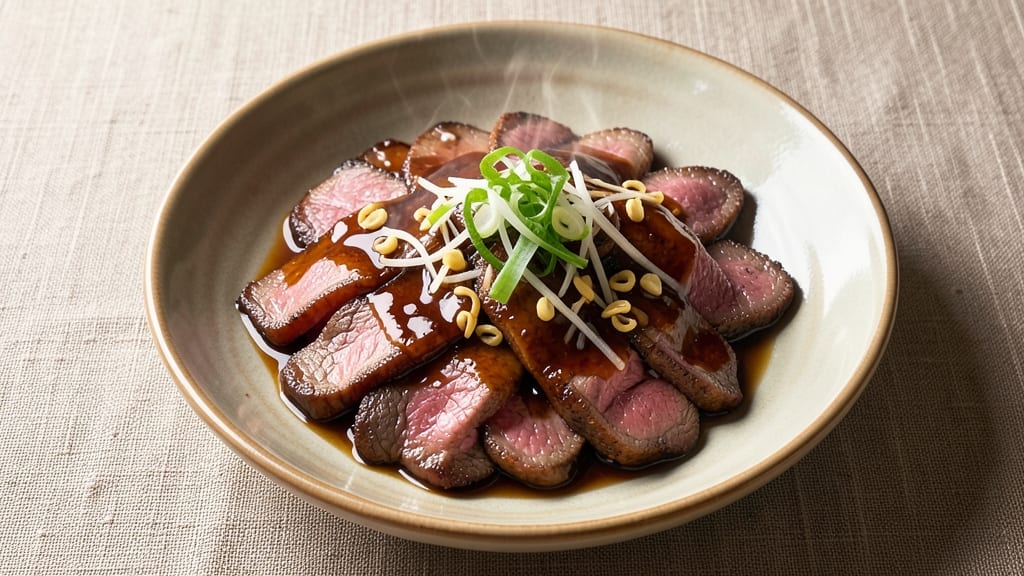
This Japanese beef heart recipe transforms a humble offal into a dish of silken perfection—tender, umami-rich, and ready in just 30 minutes. I first discovered its potential while researching traditional shabu-shabu techniques, where beef heart's delicate texture shines when properly prepared.
The key lies in marinating it overnight to tenderize while infusing bold flavors, then cooking it quickly over high heat to preserve its natural juices.
What sets this recipe apart is the balance between traditional methods and modern convenience. You'll start with a simple marinade of soy sauce, mirin, and garlic, which breaks down the heart's connective tissue while adding depth.
The cooking process mimics sukiyaki techniques, where the beef heart is seared and then simmered briefly to achieve that signature melt-in-your-mouth texture. Every bite delivers a harmonious blend of savory, slightly sweet, and umami notes.
This dish pairs beautifully with steamed rice and a side of miso soup, creating a complete meal that feels both rustic and refined. The beef heart's natural richness means you don't need heavy sauces—just a light drizzle of ponzu or a sprinkle of sesame seeds to elevate the flavors.
Whether you're serving it as a centerpiece for a dinner party or a weeknight meal, the results are consistently impressive.
Safety is paramount when working with offal, so I've included detailed handling instructions to ensure your beef heart is properly cleaned and trimmed before marinating. With these steps, you'll achieve restaurant-quality results that highlight beef heart's unique texture and flavor profile—proof that even less familiar cuts can become standout dishes.
Ingredients for japanese beef heart
Silken beef heart needs just these 14 ingredients for restaurant-worthy umami flavor.
| Ingredient | Amount | Notes |
|---|---|---|
| Beef Heart 🥩 | 1 ½ lb | Trimmed, cleaned, sliced thin |
| Soy Sauce 🥢 | ½ cup | Japanese or tamari preferred |
| Mirin 🍶 | ¼ cup | Sweet cooking wine |
| Garlic Cloves 🧄 | 6 cloves | Minced, for marinade |
| Ginger Root 🌿 | 1 tbsp | Freshly grated |
| Sesame Oil 🫒 | 1 tbsp | Toasted, for aroma |
| Sake 🍶 | ¼ cup | Dry variety preferred |
| Sugar 🍚 | 1 tbsp | White granulated |
| Neutral Oil 🫒 | 2 tbsp | Vegetable or canola |
| Ponzu Sauce 🍋 | ¼ cup | For serving, optional |
| Toasted Sesame Seeds 🌰 | 1 tbsp | For garnish |
| Green Onions 🧅 | 3 whole | Thinly sliced, for garnish |
| Steamed White Rice 🍚 | 2 cups | Cooked, for serving |
| Miso Soup 🍜 | 2 cups | Homemade or store-bought |
The beef heart is the star—look for bright red, firm pieces at specialty butchers or Asian markets. Costco often carries it pre-trimmed, but if buying whole, ask for it cleaned and trimmed (they'll do it for you). Freshness matters: if it smells strong or has gray spots, skip it. I always buy extra—freeze half for future meals. The marinade transforms tough connective tissue into tender, melt-in-your-mouth bites, so don't rush the overnight soak (trust me, it's worth it).
No mirin? Dry sherry plus 1 tsp sugar works in a pinch. Fresh ginger is ideal, but if you're using dried, reduce to 1 tsp and toast it first—this brings out the warmth. The ponzu sauce can be swapped for a mix of rice vinegar, citrus juice, and a pinch of salt. For extra richness, add 1 tbsp butter to the searing oil. The sesame oil? Use sparingly—just a whisper for aroma, or it'll overpower the delicate flavors. And if you're serving this to guests who avoid offal, the silken texture and umami depth often wins them over.
Marinated heart keeps 3 days in the fridge or 3 months frozen—portion before freezing for easy thawing. The rice and miso can be prepped ahead (they taste better reheated). For a complete meal, double the rice and make extra miso—both reheat beautifully. Leftovers? Store in an airtight container with a splash of soy sauce to keep them moist. This dish tastes even better the next day as flavors meld.
Why You'll Love This Recipe
- One-Pan Magic: I swear by this recipe when I’m too tired to juggle a million dishes. The beef heart slices marinate while you prep the garlic and ginger—no chopping mountains of veggies, just a quick min-max of aromatics. Toss everything in one pan, and 20 minutes later, you’ve got dinner.
- Umami Bomb: That combo of soy sauce, mirin, and beef heart? It’s like a flavor explosion in your mouth. The mirin adds this sweet, glossy depth, while the garlic and ginger caramelize into something ridiculously addictive. Honestly, I’ve had people ask if I used secret ingredients—nope, just these five things.
- Lunchbox Hero: Between us, this is my go-to for meal prep. The slices reheat like a dream (or straight from the fridge if you’re lazy), and they pack enough flavor to turn a boring workday into something special. Pack it with rice or noodles, and you’ve got a lunch that’ll make coworkers jealous.
- Budget Power Move: Beef heart is cheaper than steak but just as satisfying—especially when you’re feeding a crowd. A single package stretches across multiple meals, and the leftovers? Even better the second day. I’ll be real: my wallet thanks me every time I make this instead of ordering takeout.
Step-by-step instructions for Japanese beef heart recipe
Here's how to transform tender beef heart into a silken, umami-packed dish with perfect texture.
Prepare the Beef Heart for Cooking
Begin by slicing the 1.5 lb beef heart into thin strips about ¼-inch thick using a sharp knife. I like to work quickly here—keep the slices even for consistent cooking. Place the sliced beef heart in a large bowl and set aside. The heart should be clean and trimmed of any connective tissue or excess fat before slicing.
In a small bowl, whisk together the 0.5 cup soy sauce, 0.25 cup mirin, 0.25 cup sake, 1 tbsp sugar, 6 cloves minced garlic cloves, and 1 tbsp freshly grated ginger root. This marinade is the flavor foundation—don't skip the sugar, as it helps tenderize the meat and balance the acidity from the soy sauce and mirin.
Pour the marinade over the sliced beef heart and gently toss to coat evenly. Let it marinate for at least 15 minutes at room temperature. This step ensures the beef heart absorbs the flavors deeply, resulting in a rich, well-seasoned dish. If you're short on time, you can marinate for just 10 minutes, but longer is better.
Sear the Beef Heart for Maximum Flavor
Heat a large skillet over medium-high heat and add 2 tbsp neutral oil. Once the oil is shimmering, add the marinated beef heart in a single layer, making sure not to overcrowd the pan. Cook undisturbed for 2-3 minutes per side until the beef heart develops a deep golden-brown crust. This searing step is crucial—it locks in the juices and creates that irresistible caramelized flavor.
As the beef heart cooks, you'll notice it releases its own juices. Let these juices evaporate slightly before flipping—this helps build the crust. If the pan gets too crowded, work in batches to avoid steaming the meat. Once all the beef heart is seared to a rich brown color, remove it from the pan and set it aside on a plate.
In the same skillet, reduce the heat to medium and add 1 tbsp toasted sesame oil. Let it sizzle for 30 seconds to infuse the pan with its nutty aroma. This step adds depth to the dish without overpowering the beef heart's natural umami flavor. You'll use this infused oil later to finish the dish.
Finish with Aromatics and Serve
Return the seared beef heart to the skillet and add 3 whole green onions, sliced thinly. Stir gently to combine, letting the green onions wilt slightly and absorb the flavors from the pan. Cook for an additional 1-2 minutes until the green onions are bright green and tender-crisp. This final step adds a fresh, bright contrast to the rich, umami-packed beef heart.
Divide the 2 cups steamed white rice evenly among four serving plates. Top each serving with the beef heart and its aromatic juices. Drizzle lightly with 0.25 cup ponzu sauce for a tangy finish—this balances the richness of the beef heart beautifully. Sprinkle generously with 1 tbsp toasted sesame seeds for texture and extra nutty flavor.
Serve immediately with 2 cups miso soup on the side. The miso soup complements the beef heart's bold flavors with its comforting, savory depth. Each bite should deliver a perfect balance of tender, silken texture and complex umami notes, making this dish a standout centerpiece for any meal.
Pro Tips For Making Japanese Beef Heart
- SCORE THE HEART: Use a sharp knife to slice against the grain—about ¼-inch thick—and score the surface lightly with a crisscross pattern. This keeps it tender and lets the marinade (soy, mirin, garlic) penetrate faster. I used to skip this, and the heart stayed chewy even after hours of cooking.
- SALT THE HEART FIRST: Generously salt the beef heart 30 minutes before cooking, then pat it dry. The salt breaks down proteins, and drying ensures a better sear. I learned this the hard way—wet heart sticks to the pan and steams instead of browning.
- LOW AND SLOW FOR GINGER: Simmer the heart with garlic and ginger on low heat—just above a bare simmer—until fork-tender (about 1.5–2 hours). High heat turns the ginger bitter and the heart rubbery. I used to rush it, and the flavors fell flat.
- DEGLAZE WITH MIRIN: After searing the heart, splash in 1–2 tablespoons of mirin immediately to lift the browned bits from the pan. This adds depth to the sauce without extra effort. I used to ignore this, and the sauce tasted thin and one-dimensional.
Regional styles of this dish
Kyoto-Style Sukiyaki
In Kyoto, beef heart is traditionally prepared as part of a sukiyaki hot pot, where thin slices are cooked in a sweet-savory broth. The key difference here is using a dashi-based broth (made with kombu and bonito flakes) instead of soy sauce—it creates a lighter, more delicate flavor.
I like to add a splash of sake and a pinch of sugar to the broth while cooking, then serve the beef heart with shredded cabbage and udon noodles on the side for dipping. 🍜
Osaka Shabu-Shabu
Osaka’s shabu-shabu style transforms beef heart into quick, silken bites perfect for dipping in ponzu or sesame sauce. The technique involves searing the heart in a cast-iron teppan (or heavy skillet) until just cooked through—about 20-30 seconds per side.
The magic happens when you dip the hot slices into the sauce mid-cook, creating a sizzling, flavor-packed experience. For extra authenticity, serve with grated daikon radish and pickled ginger on the side. 🔥
Hokkaido Miso-Glazed
Hokkaido’s cold climate inspired this rich, miso-glazed version where beef heart is marinated in red miso paste (instead of soy sauce) along with mirin and sake. After searing, the slices are finished with a miso-sugar glaze that caramelizes beautifully.
The result is a dish with deep, earthy umami and a subtle sweetness. Pair it with steamed miso butter rice and quick-pickled cucumbers for a hearty, comforting meal. 💛
Tokyo Yakitori-Inspired
Tokyo’s street food culture lends itself to yakitori-style beef heart skewers, where the heart is marinated in a soy-mirin glaze and grilled over binchotan charcoal for smoky depth. The skewers are brushed with yuzu kosho (citrus chili paste) before serving, adding a bright, spicy kick.
Serve with warm beer and edamame for a casual, flavorful spread that’s perfect for sharing. 🍺
Okinawa Sweet-Soy Style
Okinawa’s tropical influence shines in this version, where beef heart is marinated in a sweet soy glaze with pineapple juice and shichimi togarashi (Japanese chili flakes). The dish is finished with a caramelized pineapple reduction that adds a fruity contrast to the savory meat.
Garnish with toasted coconut flakes and serve with sticky rice for a fusion of Japanese and Okinawan flavors. 🌴
Nutrition facts
Frequently asked questions
Why do I need to marinate beef heart overnight?
Beef heart contains tough connective tissue that requires time to break down. The overnight marinade of soy sauce, mirin, and sake tenderizes the meat while infusing deep umami flavors. Even 4 hours minimum makes a noticeable difference in texture—skipping this step risks a chewy result.
Can I substitute beef heart with another cut?
While beef heart's unique texture is ideal, you can use beef tenderloin or sirloin in a pinch. For best results, slice it ¼-inch thick and marinate 2-3 hours max to avoid over-tenderizing. The flavor profile won't be identical, but the technique remains adaptable.
How do I know when the beef heart is fully cooked?
Beef heart should reach an internal temperature of 145°F when measured with a meat thermometer. Visually, it will turn from pink to opaque and pull away from bones easily. For shabu-shabu style, cook just 20-30 seconds per side—it continues cooking from residual heat.
What if my beef heart smells strong or has gray spots?
Discard it immediately—strong odors or gray discoloration indicate spoilage. Always buy from reputable butchers or markets specializing in offal. Fresh beef heart should have a bright red color and mild, clean aroma. When in doubt, trust your senses over appearance.
Can I make this dish ahead of time?
Marinate the beef heart up to 3 days ahead and store it in an airtight container. For best results, cook fresh and serve immediately, but you can reheat gently in a skillet with a splash of soy sauce. The flavors actually improve slightly after resting 1-2 hours before serving.