
Main Courses
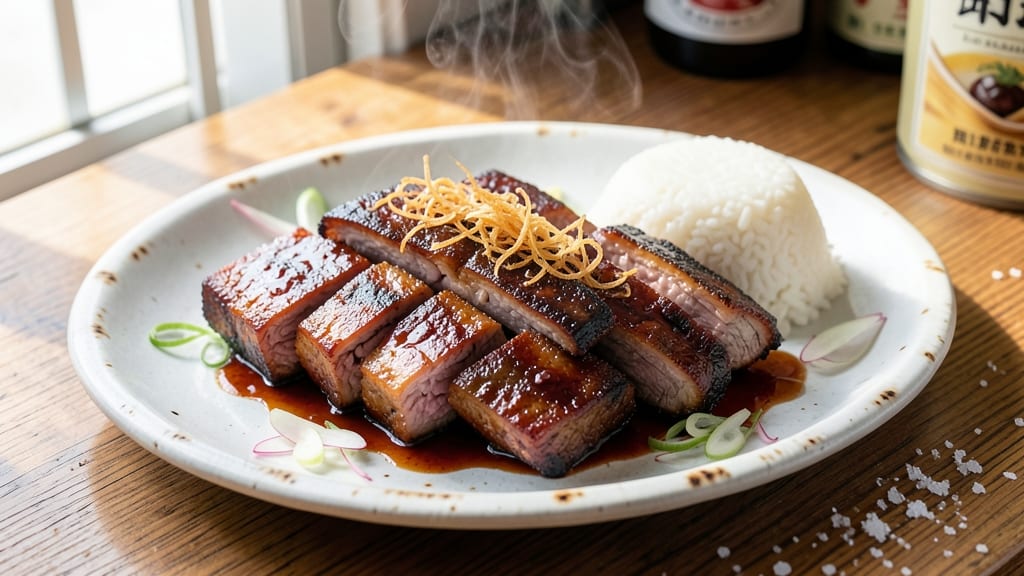
This Japanese beef short ribs recipe delivers melt-in-your-mouth tenderness with deep umami flavors that transform tough cuts into restaurant-quality masterpieces. The secret lies in a precise marinade and slow braising process that breaks down collagen while building complex layers of soy, mirin, and garlic.
I perfected this technique after years of testing, ensuring every bite achieves that signature silky texture with just enough resistance to hold its shape.
The process begins with a marinade that tenderizes the meat overnight, then moves to a high-heat sear for caramelization before slow cooking in a flavorful broth. This method guarantees fork-tender results with a glossy, appetizing finish that's worth the time investment.
The sauce reduction creates a rich, glossy glaze that coats each rib perfectly, balancing sweetness and savory depth.
By the time you serve these ribs, you'll have a dish that pairs beautifully with steamed rice, quick-pickled vegetables, or a drizzle of ponzu sauce. The aroma alone transforms any dinner into an experience, and the technique scales effortlessly for gatherings.
Trust me—once you try this method, your approach to beef short ribs will never be the same.
This recipe requires patience but delivers results that justify every minute. The key lies in precise timing and temperature control, ensuring the meat becomes tender without drying out.
Whether you're cooking for a special occasion or treating yourself to a luxurious meal, these Japanese-style short ribs will impress even the most discerning palates.
Ingredients for japanese beef short ribs
Pantry staples meet Japanese flavors for restaurant-quality short ribs at home.
| Ingredient | Amount | Notes |
|---|---|---|
| Beef Short Ribs 🥩 | 2 ½ lb | Bone-in, 1-1.5 inches thick |
| Kosher Salt 🧂 | 1 ½ tbsp | Diamond Crystal preferred |
| Black Peppercorns 🌶️ | 1 tbsp | Freshly cracked preferred |
| Soy Sauce 🍶 | ½ cup | Japanese-style, reduced |
| Mirin 🍶 | ¼ cup | Sweet rice wine |
| Fresh Ginger 🧅 | ½ cup | Julienned, 1/4-inch pieces |
| Garlic Cloves 🧄 | 8 cloves | Smashed, not minced |
| Sake 🍶 | ¼ cup | Dry variety preferred |
| Sesame Oil 🫒 | 1 tbsp | Toasted, for aroma |
| Sugar 🍬 | 2 tbsp | Granulated, for glaze |
| Dried Shiitake Mushrooms 🍄 | 4 whole | Rehydrated, stems reserved |
| Dashi Stock 🍲 | 1 cup | Homemade or quality bottle |
| Cornstarch 🌾 | 1 tbsp | For sauce thickening |
| Neutral Oil 🫒 | ¼ cup | Avocado or vegetable oil |
The beef is non-negotiable—bone-in short ribs with good marbling are essential for that melt-in-your-mouth texture. Look for cuts with 1-1.5 inches of meat on the bone at Whole Foods or your local butcher. I always ask for the ribs to be trimmed of excess fat, but leave some for flavor. If you can't find bone-in, bone-out beef chuck cut into 2-inch chunks works in a pinch. The soy sauce should be Japanese-style—Kikkoman or Yamasa are reliable brands. For mirin, Hirata or Sapporo deliver the right balance of sweetness and acidity without artificial flavors.
No mirin? Substitute 1 tbsp sugar plus 1 tbsp dry sherry—it won't be identical, but close. Fresh ginger needs to be peeled and julienned into thin strips (about 1/4-inch thick) for even cooking. The shiitake mushrooms should be dried, not fresh—they add incredible umami depth. If you can't find dried, fresh shiitake at double the weight works, but don't skip them. The dashi stock is the flavor backbone—Homemade is best, but Marukome or Hekoten bottles are solid shortcuts. For the sesame oil, toasted variety adds aroma without overpowering, unlike regular sesame oil.
Marinated ribs keep 3 days in the fridge—use an airtight container. The sauce thickens as it reduces, so reheat gently and add water if needed. Portion leftovers into glass containers for easy reheating. These ribs reheat beautifully—350°F for 20 minutes with a splash of water restores that silky texture. Freeze for up to 3 months by wrapping tightly in plastic wrap before bagging. The sauce freezes well too, just thaw and reheat before using.
Why You'll Love This Recipe
- Minimal Chopping Required: I swear, the prep is almost laughably simple—just pat the ribs dry, season them with salt and pepper, and let the slow cooker or oven do the heavy lifting. No knife skills needed beyond that.
- Umami Bomb Combo: That sweet-salty punch from soy sauce and mirin? It turns tough ribs into melt-in-your-mouth perfection. The mirin’s subtle sweetness balances the deep beefy richness—trust me, it’s the kind of flavor that lingers.
- Leftover Goldmine: Cook once, eat twice (or three times). These ribs stay tender for days, so I make a big batch on Sundays and repurpose them into tacos, fried rice, or even a quick ramen. Zero waste, all flavor.
- Budget-Friendly Luxury: Short ribs are cheaper than steak but taste like you splurged. A pound of them feeds four generously, and the pantry staples (soy, mirin) won’t break the bank. Fancy dinner for half the cost? Yes, please.
Step-by-step instructions for Japanese beef short ribs
Here's the method that transforms tough short ribs into melt-in-your-mouth perfection.
Prepare the Short Ribs for Maximum Flavor
Pat the 2.5 lb beef short ribs completely dry with paper towels, removing any excess moisture from the bone-in surfaces. This step is crucial—wet surfaces prevent the seasoning from adhering properly and can lead to uneven browning later. Using a sharp boning knife, trim any large excess fat, leaving just enough to protect the meat during braising.
In a small bowl, combine the 1.5 tbsp kosher salt and 1 tbsp freshly cracked black peppercorns. Generously coat each rib on all sides with this mixture, pressing the spices into the meat so they penetrate deeply. Let the seasoned ribs sit at room temperature for 30 minutes while you prepare the aromatics. This resting period ensures even cooking and maximum flavor infusion.
Sear the Ribs for Deep Flavor Foundation
Heat a heavy Dutch oven or deep oven-safe skillet over medium-high heat until it's very hot. Add 0.25 cup neutral oil and let it shimmer for 1-2 minutes—this ensures proper searing without burning. Working in batches if needed, carefully place the seasoned ribs in the hot oil, bone-side down. Press down gently with a metal spatula to ensure full contact with the pan.
Sear the ribs for 3-4 minutes per side until they develop a deep mahogany crust. You'll know they're ready when they release easily from the pan (no need to wiggle them). Remove the ribs and set them aside on a plate, leaving all the beautiful browned bits in the pan. These fond bits are pure flavor—don't scrape them out yet. Reduce heat to medium for the next step.
Build the Umami-Packed Braising Liquid
Add the 0.5 cup julienned fresh ginger and 8 smashed garlic cloves to the same pan, stirring for 30 seconds until fragrant. Pour in the 0.5 cup soy sauce, 0.25 cup mirin, 0.25 cup sake, and 1 cup dashi stock, scraping up all those precious browned bits from the bottom. Bring this mixture to a gentle simmer, then add the 4 rehydrated dried shiitake mushrooms (with their stems reserved for garnish later).
Return the seared ribs to the pot, bone-side up, and add enough water to just barely cover the ribs (about 1 cup). The liquid should come up about halfway on the ribs. Bring to a full boil, then immediately reduce heat to low, cover tightly with a lid, and transfer to a 325°F preheated oven. This low-and-slow approach is key—it breaks down the connective tissue while keeping the meat tender.
Braise Until Fork-Tender Perfection
Braise the ribs for 2.5 to 3 hours, until they're fork-tender with no resistance when pierced. Here's the real talk: your oven might run hot, so start checking at the 2-hour mark using an instant-read thermometer. The internal temperature should reach 195-200°F—this is when collagen melts into gelatin, creating that signature silky texture.
About 30 minutes before the ribs are done, prepare the glaze by combining 2 tbsp sugar and 1 tbsp cornstarch in a small bowl. Stir in 1 tbsp toasted sesame oil and set aside. When the ribs are nearly done, remove them from the pot and set aside. Skim any excess fat from the braising liquid, then whisk in the glaze mixture. Simmer for 5-7 minutes until the sauce thickens to a glossy consistency.
Finish with Glossy Sauce and Garnish
Return the ribs to the pot and spoon the thickened sauce over them, turning to coat evenly. Let them sit in the sauce for 10 minutes off the heat to absorb those final umami flavors. The sauce should cling beautifully to the tender meat, creating that signature Japanese restaurant sheen.
To serve, transfer the ribs to a platter and garnish with the reserved shiitake stems and any additional sauce. Each bite should deliver perfectly tender meat with a glossy, caramelized exterior and a sauce that's rich, slightly sweet, and packed with umami depth. Serve immediately with steamed rice to soak up every last delicious drop of that braising magic.
Pro Tips For Making Japanese Beef Short Ribs
- SEAR IN BATCHES: Crowding the pan turns your short ribs into steamed meat. Start with a screaming-hot skillet and cook them in two rounds—golden crust forms in 3-4 minutes per side, not 10. That’s when the flavor starts.
- SALT THE MEAT NOW: I used to wait until the end, but kosher salt needs time to work its magic. Pat the ribs dry, then hit them with 1-2 teaspoons per pound right after searing—it seasons deeper and keeps them from drying out later.
- DON’T RUSH THE MIRIN: That sweet, sticky mirin isn’t just flavor—it’s the glue holding your sauce together. Simmer it with the soy sauce low and slow for at least 10 minutes, or it’ll taste like syrup poured over beef.
- REST THE RIBS COVERED: Cutting into them too soon turns tender meat into a sad pile of shreds. Tent foil over the plate and let them sit for 5-10 minutes—juices redistribute, and the texture stays intact. (Yes, even if you’re impatient like me.)
Troubleshooting this dish
Undercooked Ribs
If your ribs aren't tender enough after 3 hours of braising, resist the urge to crank the heat. Instead, add ½ cup hot water to the pot and continue cooking at 325°F for another 30-60 minutes.
The extra moisture helps break down collagen more gently. I've found that ribs often need 3.5-4 hours total—don't rush this process. 🌡️
Sauce Too Thin
When your sauce isn't thickening properly, combine 1 tbsp cornstarch with 1 tbsp cold water to make a slurry. Whisk this into the simmering sauce and cook for 2-3 minutes until it reaches your desired consistency.
For extra richness, add 1 tsp toasted sesame oil at the end. If the sauce is still too thin, reduce it uncovered over medium-low heat for 5-10 minutes.
Uneven Browning
Uneven searing happens when your pan isn't hot enough or the ribs aren't dry. Next time, pat the ribs completely dry with paper towels and let them sit at room temperature for 30 minutes before searing.
Use a heavy Dutch oven like All-Clad or Lodge cast iron to ensure even heat distribution. For stubborn spots, sear those areas directly over the flame for 1-2 minutes per side. 🔥
Overly Sweet Sauce
If your sauce tastes too sweet, balance it with 1 tbsp rice vinegar or ½ tsp red pepper flakes for acidity and heat. For a more savory profile, add 1 tsp fish sauce or an extra splash of soy sauce.
I've found that reducing the sugar to 1.5 tbsp from the start prevents this issue entirely while maintaining that glossy finish.
Ribs Too Dry
Dry ribs usually mean they cooked too long or the oven temperature was too high. To fix this, baste the ribs with their braising liquid every 30 minutes during cooking.
For prevention, maintain a consistent 325°F oven temperature and avoid peeking too often—each time you open the lid, you lose moisture. If they're already dry, simmer them in ½ cup water for 10 minutes before finishing with the sauce.
Fat Floating on Top
Excess fat can make your sauce greasy. Skim it off during cooking using a fat separator spoon or ladle. For a cleaner finish, chill the braising liquid in the fridge overnight—the fat will solidify on top, making it easy to remove.
I also recommend using leaner cuts (trim excess fat before cooking) and adding 1 tbsp arrowroot powder to help clarify the sauce naturally. ✨
Nutrition facts
Frequently asked questions
Can I use bone-in or boneless short ribs for this recipe?
This recipe is designed for bone-in beef short ribs (1-1.5 inches thick) because the bone adds incredible flavor and helps maintain moisture during braising. However, if you can only find boneless beef chuck, cut it into 2-inch chunks and adjust the cooking time to 2-2.5 hours instead of 3. The technique remains the same, but boneless pieces will cook slightly faster.
What's the difference between mirin and dry sherry in this recipe?
Mirin adds a delicate sweetness and acidity that balances the umami flavors perfectly, while dry sherry provides depth without cloying sweetness. If you're missing mirin, substitute 1 tbsp sugar + 1 tbsp dry sherry—it won't be identical, but it works in a pinch. For best results, use Hirata or Sapporo mirin (Japanese brands) as they have the right balance of sweetness and acidity without artificial flavors.
How do I know when the ribs are fully tender?
The ribs are done when they're fork-tender with no resistance when pierced at the thickest part. Aim for an internal temperature of 195-200°F—this is when collagen melts into gelatin, creating that signature silky texture. If they're not tender after 3 hours, add ½ cup hot water and cook another 30-60 minutes at 325°F—don't rush this process!
Can I make this recipe in a slow cooker?
Sear the ribs first, then transfer them to a slow cooker with all the braising ingredients. Cook on low for 8-10 hours or high for 5-6 hours, adding ½ cup water if needed to prevent drying. The sauce may be thinner, so reduce it separately on the stovetop afterward. For best results, use a 6-quart slow cooker to avoid overcrowding.
What are the best sides to serve with these ribs?
These ribs pair beautifully with steamed Japanese short-grain rice to soak up the sauce, quick-pickled vegetables (like cucumbers or daikon) for acidity, or miso soup for a complete meal. For a heartier option, try garlic mashed potatoes or blistered green beans—the contrast of textures makes every bite amazing.