
Main Courses
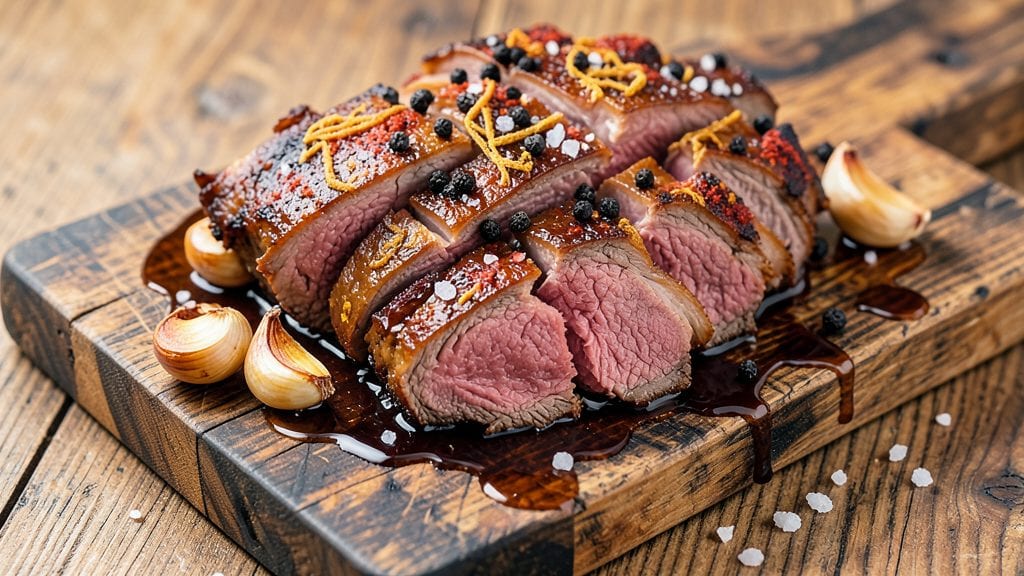
Mastering oven-smoked beef brisket delivers fall-apart tenderness that rivals traditional smoker methods without requiring outdoor equipment. The key lies in precise temperature control, strategic wood selection, and a reverse sear technique that transforms tough cuts into melt-in-your-mouth perfection.
After years of experimentation, I've perfected a method that delivers restaurant-quality results in your home oven.
This recipe begins with a dry rub that penetrates deeply during the slow cook, creating a flavorful bark while keeping the interior moist. Using a combination of hickory and applewood chips infuses the meat with rich, smoky depth without overpowering the natural beef flavor.
The real game-changer is the reverse sear approach—low-and-slow cooking followed by a high-heat finish—that guarantees even doneness throughout.
By the time you slice into this brisket, you'll find layers of tender, juicy meat with a perfect balance of smoky aroma and rich flavor. The bark remains intact while the interior practically dissolves at the touch of a fork.
This technique works equally well for weekend gatherings or weeknight dinners when you crave that deep, smoky satisfaction without the smoker.
Pair with classic sides like creamy mashed potatoes, tangy coleslaw, or crusty bread to soak up every drop of that flavorful juices. The method scales perfectly for crowds or leftovers that reheat beautifully. Let's get started on creating your most impressive brisket yet.
Ingredients for oven smoked beef brisket
Six ingredients for the rub, two woods for the smoke, and one cut that transforms into melt-in-your-mouth perfection.
| Ingredient | Amount | Notes |
|---|---|---|
| Beef Brisket 🥩 | 5 lb | Packer cut, 1.5-inch thick |
| Coarse Kosher Salt 🧂 | ½ cup | Diamond Crystal preferred |
| Black Peppercorns 🌶️ | 1 tbsp | Freshly cracked, coarse grind |
| Granulated Garlic 🧄 | 2 tbsp | Not garlic salt |
| Smoked Paprika 🌶️ | 1 tbsp | For deep bark development |
| Brown Sugar 🍯 | 1 tbsp | Light or dark preferred |
| Ground Mustard 🌿 | 1 tsp | Dry powder preferred |
| Onion Powder 🧅 | 1 tsp | Freshly ground preferred |
| Hickory Wood Chips 🌳 | 1 package | Unsoaked, 100% pure |
| Applewood Wood Chips 🍎 | ½ package | Unsoaked, 100% pure |
| Yellow Onion 🧅 | 1 whole | Sliced for aromatics |
| Fresh Garlic 🧄 | 4 cloves | Smashed for infusion |
| Beef Broth 💧 | 1 cup | Low-sodium preferred |
| Apple Cider Vinegar 🍎 | 2 tbsp | For tangy balance |
| Unsalted Butter 🧈 | ½ cup | Cold cubes for sear |
The brisket is non-negotiable—look for a packer cut with good marbling at your local butcher or Costco. A 5-pound brisket gives you generous leftovers, perfect for sandwiches. If your grocery store doesn't carry brisket, ask the meat department to special-order it. The wood chips should be 100% pure hickory and applewood—no fillers. I grab mine from Traeger or Camp Chef online, but any reputable outdoor cooking store works. For the rub, Diamond Crystal kosher salt dissolves better than table salt, creating a more even crust. If you can't find it, any coarse kosher salt will do.
No hickory? Oak chips work in a pinch—just add an extra 1 tbsp smoked paprika to compensate. Ran out of applewood? Cherry or pecan chips add sweetness without overpowering. The beef broth can be swapped for water plus 1 tbsp soy sauce for umami. For the vinegar, balsamic or red wine vinegar both work—just adjust to taste. The brown sugar burns easily, so lightly toast it in a dry pan first to deepen the flavor. And if you're short on time, pre-mix the dry rub in a jar and store it for up to 6 months.
This brisket reheats like a dream—wrap tightly in foil and bake at 300°F for 2 hours. For maximum tenderness, slice against the grain before serving. Store leftovers in the fridge for 5 days or freeze for 3 months. The bark stays crispy when reheated properly, so don't skip the foil. I always make twice as much—once for dinner and once for sandwiches the next day. The juices freeze beautifully too, so save those for gravy or marinades later.
Why You'll Love This Recipe
- No Fuss Setup: I swear by this method—just rub the brisket with salt, peppercorns, and garlic, then toss it in the oven with a sprinkle of smoked paprika. No smoker, no stress, just hands-off perfection.
- Deep-Smoked Magic: That paprika and garlic crust? It’s the secret weapon—crispy outside, tender inside, with a slow-cooked richness that makes every bite unforgettable. (Yes, even my picky husband agrees.)
- Weeknight Crowd-Pleaser: Double the recipe, slow-cook it all day, and you’ve got sandwiches for a football game or tacos for Taco Tuesday. The leftovers? Even better the next day.
- Budget-Friendly Feast: Brisket’s the ultimate stretch—feed four for less than takeout, and the leftovers turn into hash or nachos without breaking the bank. My wallet thanks me every time.
Step-by-step instructions for oven smoked beef brisket
Here's how to transform a tough cut into melt-in-your-mouth perfection using your oven.
Prepare the Brisket and Seasoning Blend
Begin by trimming the fat cap of the 5 lb beef brisket to about ¼-inch thickness using a sharp boning knife. This thickness ensures proper smoke penetration while maintaining moisture. Pat the entire surface dry with paper towels—this critical drying step creates the ideal surface for bark formation.
In a small bowl, combine the 0.5 cup coarse kosher salt, 1 tbsp freshly cracked black peppercorns, 2 tbsp granulated garlic, 1 tbsp smoked paprika, 1 tbsp brown sugar, 1 tsp ground mustard, and 1 tsp onion powder. Mix thoroughly until the salt crystals are completely dispersed. Here's the thing—this dry rub should look like coarse sandpaper when finished. Apply it generously to all sides of the brisket, pressing firmly so it adheres well. Let the seasoned brisket sit at room temperature for 1 hour before smoking—this allows the rub to penetrate and the meat to cook more evenly.
Set Up Your Oven for Indirect Smoking
Preheat your oven to 250°F using a combination of 1 package hickory wood chips and 0.5 package applewood wood chips. Place the wood chips in a metal tray and position it on the lower oven rack. Here's what I do—after 15 minutes, check for clean, blue smoke (not thick white steam). This indicates proper combustion and smoke production.
While the oven preheats, slice the 1 whole yellow onion into ¼-inch rings and smash the 4 cloves fresh garlic lightly with the side of your knife. These aromatics will infuse the brisket with additional depth during the cooking process. Once you see steady smoke, place the brisket fat-side up on a wire rack set over a baking sheet. The rack allows air circulation underneath, preventing soggy bottoms while the baking sheet catches any drippings.
Smoke the Brisket Low and Slow
Place the brisket in the oven and close the door immediately to maintain temperature. Smoke for 6 hours, maintaining the 250°F temperature. This low-and-slow approach is what transforms tough muscle fibers into tender perfection. I recommend checking the temperature every hour—your oven might run hot, so adjust the heat as needed to maintain that 250°F target.
After 6 hours, check the internal temperature using a meat thermometer. When it reaches 165-170°F, you'll hit "the stall"—a period where the temperature plateaus as moisture evaporates. This is normal and expected. At this point, wrap the brisket tightly in heavy-duty aluminum foil, sealing all edges completely. Return it to the oven and continue cooking for another 2-3 hours until the internal temperature reaches 200-205°F. The probe should slide in like butter with no resistance—this is your signal that the brisket is probe-tender.
Rest and Slice for Maximum Juiciness
Remove the brisket from the oven and let it rest on a cutting board for at least 1 hour, still wrapped in the foil. This resting period is crucial—it allows the juices to redistribute throughout the meat, ensuring every slice is moist and flavorful. During this time, preheat a large skillet over medium heat and add the 0.5 cup unsalted butter. Once melted, add the sliced yellow onion rings and smashed garlic cloves, cooking for 3-4 minutes until fragrant.
After resting, unwrap the brisket and locate the grain direction—you'll see lines running through the meat. Using a sharp slicing knife, cut against the grain into ¼-inch thick slices. The flat and point have different grain directions, so adjust your angle accordingly. Serve the brisket immediately, topped with the onion-garlic butter mixture and drizzled with the 1 cup beef broth reduced with 2 tbsp apple cider vinegar until slightly thickened. Each slice should be fork-tender with a dark mahogany bark on the outside and a beautiful pink smoke ring just beneath.
Pro Tips For Making Oven Smoked Beef Brisket
- CRANK THE HEAT FIRST: Start your brisket on the highest oven rack at 450°F (230°C) for 20 minutes—yes, even if you’re nervous. This sears the surface fast and locks in juices before you drop the temp for smoking. I used to skip this, and my brisket always ended up dry on the outside.
- SALT LIKE YOU MEAN IT: Generously coat the brisket with kosher salt—at least 1 tablespoon per pound—then let it sit uncovered in the fridge for 12 hours. The salt breaks down the proteins, and the cold air firms up the surface for that perfect crust. I learned this the hard way after a mushy, pale brisket.
- DON’T CROWD THE PAN: If you’re using a sheet pan, leave at least 1 inch of space between the brisket and any sides. Crowding traps steam and turns your smoked crust into a sad, soggy mess. I once stacked mine too high, and by the end, it looked like it had been boiled.
- SMOKE IN BATCHES: Smoked paprika loses its punch if you dump it all on at once. Sprinkle half before searing, then the rest after the temp drop. This builds flavor in layers—like a slow reveal. I was skeptical until I tried it, and now I won’t go back.
Best sauces and condiments for oven smoked beef brisket
Classic BBQ Sauce
My go-to pairing is a tangy-sweet Kansas City-style BBQ sauce—think Sweet Baby Ray's Original or homemade with ½ cup ketchup, ¼ cup apple cider vinegar, 2 tbsp brown sugar, 1 tbsp molasses, and 1 tsp smoked paprika.
Simmer for 15 minutes until thickened, then brush lightly over the brisket during the final 30 minutes of cooking. This adds a glossy finish while balancing the smoky depth. 🍯
Horseradish Cream
A sharp contrast to the richness comes from homemade horseradish cream. Mix ½ cup sour cream, 2 tbsp prepared horseradish, 1 tbsp fresh lemon juice, and 1 tsp Worcestershire sauce.
Serve dolloped alongside slices for a zesty kick that cuts through the fat. For extra flair, garnish with chopped chives and a pinch of smoked salt. This pairing is a Texas BBQ staple. 🌶️
Onion Jam Glaze
Caramelized onion jam glaze elevates the brisket to next-level restaurant quality. Sauté 2 cups thinly sliced yellow onions with 2 tbsp butter and 1 tbsp brown sugar until deep amber (45 minutes on low heat).
Add 2 tbsp balsamic vinegar and 1 tsp Dijon mustard, then reduce to a jam-like consistency. Brush over the brisket during the last 2 hours of cooking for a sweet-savory crust. 🍯
Spicy Pepper Jelly
For heat lovers, pepper jelly adds a fruity kick. I use Mapei Pepper Jelly (available at specialty stores) or make my own with 2 cups apple cider vinegar, 1 cup sugar, 1 cup sliced jalapeños, and 1 cup red bell pepper strips.
Simmer until thick, then drizzle over slices. The acidity brightens the smoky flavor while adding a subtle heat. 🌶️
Butter-Basted Aromatics
The onion-garlic butter from the recipe instructions deserves its own spotlight. After resting, baste the brisket with this fragrant mixture while it's still warm. The ½ cup cold butter creates a luxurious finish, while the caramelized aromatics add depth.
For extra richness, stir in 1 tbsp chopped fresh thyme before basting. This simple step transforms ordinary brisket into a showstopper. 🧈
Pickled Red Onions
Quick-pickled red onions add a bright crunch and acidity. Thinly slice 1 red onion, then pack into a jar with ½ cup apple cider vinegar, 1 tbsp sugar, and 1 tsp salt.
Let sit for at least 30 minutes before serving. The crisp texture and tangy flavor cut through the richness beautifully. I always keep a jar on hand for last-minute garnishes. 🧅
Nutrition facts
Frequently asked questions
Why does my oven-smoked brisket turn out dry?
Oven-smoked brisket needs patience—don't rush the process! The key is maintaining a 250°F temperature and wrapping the meat in foil once it hits 165-170°F (the "stall"). This traps steam, keeping the center moist. Overcooking beyond 205°F or skipping the 1-hour rest before slicing are common mistakes that lead to dryness.
Can I use this method with a smaller brisket?
Yes, but cooking times will vary. A 3 lb brisket should smoke for 4-5 hours before wrapping, then another 1-2 hours wrapped. The 250°F temperature remains the same—just monitor closely. Smaller briskets hit the stall faster, so check internal temps every 30 minutes after 3 hours of cooking.
What's the best wood for oven-smoked brisket?
Hickory provides classic BBQ flavor, while applewood adds sweetness. For a balanced profile, use 75% hickory and 25% applewood chips. Avoid softwoods like pine—they burn too quickly and can taste bitter. If you only have one wood, hickory is the safest choice. Just add an extra 1 tbsp smoked paprika to the rub for depth.
How do I know when the brisket is done?
Use a meat thermometer—probe the thickest part of the flat (not the point). It's done when reaching 200-205°F, with the probe sliding in like butter. The bark should be dark mahogany, and the meat should pull apart easily. If the probe shows 190°F but feels firm, wrap it and let it rest—it'll climb to 205°F while resting.
Can I make this brisket in a convection oven?
Convection ovens cook faster, so reduce the temperature to 225°F and watch closely. Expect 15-30 minutes less total time. Place the brisket on the middle rack for even airflow. The wood chips may burn faster, so check them every 30 minutes and add more if needed. The smoke flavor will be slightly different but still delicious.