
Main Courses
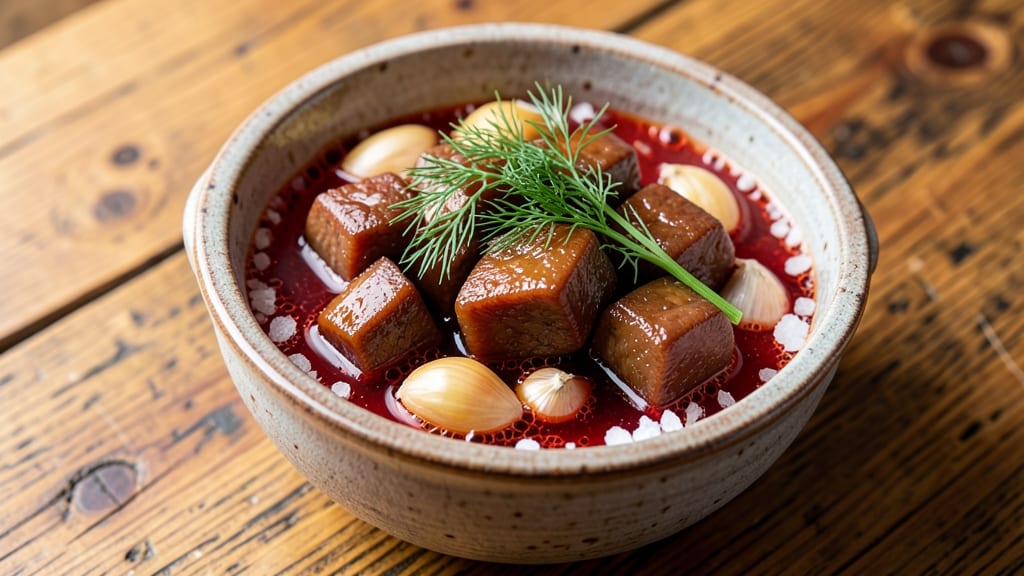
This pickled beef heart recipe transforms a bold offal into bite-sized gems with a tangy crunch that lingers like a gourmet secret.
After years of perfecting the balance between tender texture and bright acidity, I've developed a method that delivers restaurant-quality results using just a few simple ingredients and standard kitchen tools. The key lies in precise slicing and a carefully calibrated brine that tenderizes while preserving that satisfying snap.
What makes this recipe stand out is how it transforms an unfamiliar ingredient into something approachable and downright addictive. The beef heart is first cured in a vinegar-based brine for 24 hours, which breaks down the fibers and infuses that signature tangy zing.
Unlike traditional pickling methods that require special equipment, this version uses a simple one-pot approach that works in any home kitchen. The result? Bite-sized pieces that stay tender yet maintain a pleasant resistance, perfect for snacking or serving as an appetizer.
By the time you're done, you'll have a dish that's equal parts impressive and foolproof—golden-brown edges with a vibrant pickle hue inside. The flavor profile is complex: bright from the vinegar, slightly sweet from the sugar, and rich from the beef heart itself.
This isn't just another pickled snack; it's a conversation starter that proves offal can be exciting without being intimidating. The best part? It pairs beautifully with crispy bread, sharp cheeses, or even as a topping for hearty salads.
For those new to beef heart, I'll walk you through every step—from sourcing to slicing to brining—with clear instructions that ensure safety and success. Let's get started on turning this unique ingredient into something extraordinary for your table.
Ingredients for pickled beef heart
Nine simple ingredients transform beef heart into restaurant-worthy pickled bites with perfect tangy crunch.
| Ingredient | Amount | Notes |
|---|---|---|
| Beef Heart 🥩 | 1 ½ lb | Fresh, trimmed of fat and silver skin |
| White Vinegar 💧 | 2 cups | Distilled white preferred for clarity |
| Water 💧 | 2 cups | Filtered or bottled for best results |
| Granulated Sugar 🍚 | ½ cup | White or brown sugar works |
| Diamond Crystal Kosher Salt 🧂 | 2 tbsp | Fine grain preferred for even dissolving |
| Garlic Cloves 🧄 | 6 cloves | Smashed for stronger infusion |
| Black Peppercorns 🌶️ | 1 tbsp | Crushed for texture and flavor |
| Bay Leaves 🍃 | 2 whole | Dried or fresh, removed before serving |
| Yellow Mustard Seeds 🌶️ | 1 tsp | Whole seeds for subtle heat |
| Red Bell Pepper 🌶️ | 1 whole | Thinly sliced for color and crunch |
| Fresh Dill 🌿 | ¼ cup | Chopped for bright herbal note |
| Extra-Virgin Olive Oil 🫒 | ¼ cup | For final drizzle before serving |
The beef heart is the star—look for bright red, firm cuts at specialty butchers or well-stocked grocery stores like Whole Foods. Trim any visible fat or silver skin before slicing into even 1/2-inch pieces (the good stuff, not the pre-cut kind). Costco often carries whole hearts for better value. If you're squeamish about offal, this is your chance to embrace it—once pickled, it's all about that satisfying texture. The vinegar should be distilled white for clarity, not apple cider or balsamic, which can muddy the flavor. Fresh dill? Trader Joe's sells it in little clamshells—perfect for this recipe.
No white vinegar? Apple cider vinegar works too, but reduce by 1 tbsp to account for sweetness. Sugar substitutes? Honey or maple syrup at 1:1 ratio, but white sugar dissolves cleaner. Skipping the mustard seeds? Add 1/2 tsp red pepper flakes for heat instead. The bell pepper can be any color—yellow or orange work just as well. If you're short on time, jarred dill pickles (drained and chopped) can substitute for fresh dill in a pinch (though it won't be as vibrant). For the garlic, roast it first if you want a sweeter, deeper flavor—just toss whole cloves in the oven at 400°F for 10 minutes before smashing.
This brine keeps 2 weeks in the fridge, but the beef heart stays best for 5-7 days—after that, the texture softens. Store in an airtight container with the liquid. For serving, drain and pat dry, then drizzle with that extra-virgin olive oil right before eating. The pickled hearts freeze beautifully for up to 3 months—just thaw in the fridge overnight. Pro tip: Double the recipe and give some away. Trust me, people will be asking for seconds.
Why You'll Love This Recipe
- No-Sew Shortcuts: I swear by this recipe because it’s the only pickled beef heart method that doesn’t require stitching or fancy prep. Just slice the heart thin, layer it in a jar, and pour the vinegar brine—no fuss, no stress.
- Tangy Crunch Magic: That vinegar-sugar-salt combo? It turns tough beef heart into something tender with a bright, almost candy-like bite. Honestly, the first time I tried it, I couldn’t stop grabbing slices straight from the jar.
- Party Snack Star: Between us, this is my go-to for game days, potlucks, or when I need a fancy-but-easy appetizer. It keeps for weeks, so I can make a big batch and pull it out whenever I want to impress without slaving over a stove.
- Budget-Friendly Protein: A whole beef heart costs less than a pound of steak, and this recipe stretches it into enough pickled slices to feed a family for days. I’ll be real: it’s my secret weapon for stretching meals without sacrificing flavor.
Step-by-step instructions for pickled beef heart
Here's how to transform tough beef heart into tender, tangy bites that pack serious flavor.
Prepare the Beef Heart for Brining
Start by trimming all visible fat and silver skin from the 1.5 lb beef heart using a sharp boning knife. This step is crucial—fat can make the brine cloudy and ruin the clean flavor. Cut the heart into 1-inch cubes, removing any remaining connective tissue. You want uniform pieces that'll pickle evenly.
Place the cubed beef heart in a large bowl and toss with 2 tbsp diamond crystal kosher salt and 1 tbsp black peppercorns. The salt begins breaking down proteins immediately, while the peppercorns add subtle heat. Let it sit for 30 minutes at room temperature while you prepare the brine. This pre-salting ensures maximum flavor penetration during the curing process.
Create the Brine Mixture
In a medium saucepan, combine 2 cups water and 2 cups white vinegar over medium heat. Bring to a gentle simmer while stirring occasionally. The reason for simmering—not boiling—is to preserve the vinegar's acidity without losing too much through evaporation. Add 0.5 cup granulated sugar, 6 smashed garlic cloves, 2 whole bay leaves, and 1 tsp yellow mustard seeds. Stir until the sugar dissolves completely.
Remove from heat and let the brine cool to room temperature—about 30 minutes. This cooling step prevents shocking the beef heart when it hits the liquid. Meanwhile, thinly slice the 1 whole red bell pepper into ¼-inch strips and chop the 0.25 cup fresh dill finely. These will infuse the brine with color and freshness during the pickling process.
Cure the Beef Heart in the Brine
Once the brine has cooled, pour it into a quart-sized mason jar or airtight container with a lid. Add the salted beef heart cubes, red bell pepper strips, and chopped dill. The jar should be almost full but leave about ½ inch headspace—this prevents liquid from spilling when the jar expands during refrigeration. Press the beef heart down gently to ensure it's fully submerged in the brine.
Seal the jar tightly and refrigerate for at least 48 hours, though I recommend 72 hours for maximum tenderness. The acidity from the vinegar will begin breaking down the tough fibers almost immediately, but the full curing period ensures the heart becomes fork-tender with a perfect bite. Check the jar after 24 hours—if any pieces float to the top, press them back down to maintain even curing.
Finish and Serve
After the curing period, remove the beef heart from the jar and pat dry with paper towels. The cubes should be tender enough to pierce easily with a fork but still hold their shape. Drain any excess liquid but reserve ¼ cup of the pickling liquid for serving. The remaining brine can be used as a tangy dressing for salads or marinade for other proteins.
Drizzle the beef heart with 0.25 cup extra-virgin olive oil and toss gently to coat. The oil adds richness that balances the vinegar's sharpness. Serve immediately as a snack with crusty bread, or store in an airtight container in the refrigerator for up to 2 weeks. The flavor actually improves over time as the acidity continues to mellow. For extra brightness, garnish with additional fresh dill before serving.
Pro Tips For Making Pickled Beef Heart
- Trim the Fat First: Beef heart comes with layers of connective tissue and fat that won’t pickle well—peel off the silver skin and trim any thick fat deposits before slicing. I learned this the hard way when my first batch turned out chewy and uneven. Use a sharp knife and don’t rush; this step makes a real difference in texture.
- Boil Before Pickling: Always blanch the beef heart in salted water for 5–7 minutes before pickling—this stops the cooking process and keeps the slices tender. Skip this, and you’ll end up with rubbery, unevenly cooked heart. Use enough water to fully submerge the slices, and keep the heat at a gentle simmer.
- Measure Salt Precisely: Diamond Crystal kosher salt packs differently than table salt—use the recipe’s measurements exactly, or your brine will be too weak or overly harsh. I used to eyeball it, but now I weigh it out (about 1 tablespoon per cup of liquid) to guarantee the right balance of tang and preservation.
- Use Hot Vinegar: Heat the vinegar and water mixture just until steaming (not boiling) before adding sugar and salt—this dissolves everything faster and ensures even distribution. Cold vinegar means clumpy sugar and uneven pickling. Stir until the sugar fully dissolves, then let the brine cool before adding the heart.
Storing and reheating this recipe
Refrigerator Storage
Your pickled beef heart will stay fresh in the refrigerator for up to 2 weeks when stored properly. Use a quart-sized mason jar or airtight container with a lid, leaving ½ inch headspace to prevent spills.
The brine acts as a natural preservative, but always keep it submerged in the liquid to maintain texture and flavor. I like to store mine in the back of the fridge where it's coolest—this helps extend freshness. 🥫
Freezer Preservation
For longer storage, freeze the pickled beef heart for up to 3 months without losing quality. Portion into single-serving sizes in freezer-safe containers or heavy-duty freezer bags. Leave 1 inch headspace for expansion and squeeze out excess air to prevent freezer burn.
When ready to eat, thaw overnight in the fridge—never at room temperature. The texture remains excellent after freezing, though the edges may soften slightly. 🧊
Thawing Safely
If you've frozen your pickled beef heart, transfer it to the refrigerator 24 hours before serving for even thawing. Never microwave or thaw at room temperature—this creates dangerous bacteria growth zones.
Once thawed, give it a quick rinse under cold water to remove any ice crystals, then pat dry with paper towels. The flavor stays vibrant, though the texture may be slightly softer than fresh. This is normal and won't affect taste. ❄️
Reheating Methods
While these pickled bites are best enjoyed fresh, you can gently reheat them if needed. Place in a small saucepan with 1 tbsp reserved pickling liquid and heat over low heat for 3-4 minutes until warmed through. Avoid high heat—it can make the beef heart rubbery.
For oven reheating, spread on a baking sheet at 250°F for 5 minutes. Always add a fresh drizzle of extra-virgin olive oil after reheating to restore moisture. 🔥
Reviving Texture
If your pickled beef heart loses its satisfying crunch after storage, don't worry! Place the pieces in a single layer on a baking sheet and broil for 2-3 minutes until slightly crisp. This works especially well for reheating frozen portions.
For extra crunch, toss with ½ tsp cornstarch before broiling. The acidity in the brine helps create that perfect texture contrast again. This trick saved my dinner party when I forgot to serve them fresh! 💫
Brine Reuse Tips
Don't discard that flavorful pickling liquid—it's packed with tangy goodness! Strain and store the remaining brine in a clean jar in the fridge for up to 1 month. Use it as a marinade for chicken or pork, a salad dressing base, or even a tangy dip for chips.
The vinegar content makes it a fantastic all-purpose acidifier for cooking. I've used mine to marinate shrimp for ceviche with amazing results. 💡
Nutrition facts
Frequently asked questions
Is beef heart safe to eat if it's not from a trusted butcher?
Always source beef heart from reputable butchers or well-stocked grocery stores like Whole Foods or Costco. Look for bright red, firm cuts with no off smells. The pickling process kills bacteria, but starting with high-quality, fresh meat is critical. If you're unsure, ask your butcher to trim and clean it thoroughly before you begin.
Can I use apple cider vinegar instead of white vinegar?
Yes, but reduce the amount by 1 tablespoon since apple cider vinegar is sweeter. The flavor will be slightly more complex, with subtle fruit notes. For a cleaner tang, stick with distilled white vinegar. The pickling process works either way—just adjust the sugar slightly if using a sweeter vinegar.
Why does my beef heart turn mushy after pickling?
Over-pickling or using too much salt can make the meat mushy. Stick to the 48-72 hour window and avoid exceeding the 2 tbsp salt measurement. Also, ensure all pieces are fully submerged in the brine—if they float, press them down. If it's already too soft, try serving it with a crispy side like garlic bread to balance the texture.
How can I make this dish vegetarian?
Swap the beef heart for firm tofu or hearts of palm, cut into similar cubes. Use the same brine recipe, but reduce the curing time to 24 hours since plant-based proteins break down faster. The texture will be different but still delicious—great for veggie appetizers!
What are the best sides to serve with pickled beef heart?
Pair it with crispy sourdough bread, sharp aged cheddar, or a fresh mixed greens salad> with a light vinaigrette. The tangy flavor also works well with creamy hummus or as a topping for tacos. For a hearty meal, serve with roasted potatoes and a cold beer.