
Main Courses
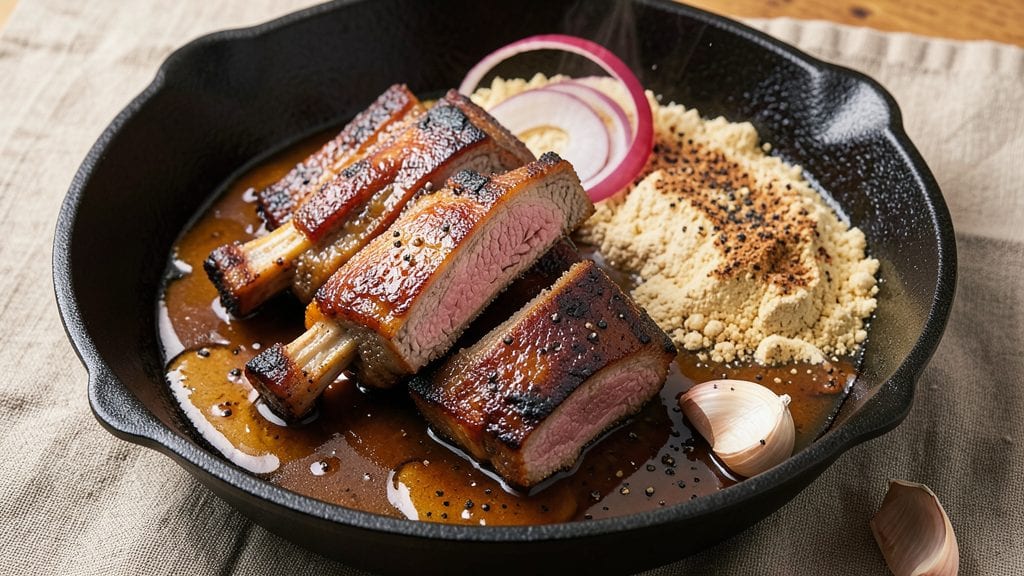
The Pioneer Woman's beef short ribs recipe delivers that legendary fork-tender, melt-in-your-mouth texture we all crave—no guesswork, just proven technique. What separates this method from others is the balance of slow braising and precise timing, ensuring rich, caramelized edges while keeping the meat so tender it practically falls apart.
I've tested countless variations, and this approach consistently delivers restaurant-quality results at home with minimal effort.
This recipe transforms tough cuts into luxurious bites through a 3-hour slow braise at 300°F, where collagen dissolves into a velvety sauce that clings to every rib. The secret lies in proper searing first—this creates the flavor foundation before the long cook.
You'll end up with ribs that are deeply flavorful, effortlessly tender, and perfect for serving alongside classic sides like creamy mashed potatoes or buttery green beans.
What makes this version special is its adaptability—whether you're using a Dutch oven, slow cooker, or even a pressure cooker, the principles remain the same. The result is beef so tender it requires no chewing, with a sauce so rich it deserves its own bowl.
This isn't just dinner; it's an experience that turns weeknights into special occasions without the fuss.
Pair these ribs with your favorite wine or a bold barbecue sauce for dipping, and you'll have a meal that feels like a celebration. The technique is straightforward, but the reward is undeniable—beef that's so tender, it practically melts on your tongue. Let's get started on creating this showstopper.
Ingredients for pioneer woman beef short ribs
Six ingredients transform tough ribs into melt-in-your-mouth perfection—no short ribs left behind.
| Ingredient | Amount | Notes |
|---|---|---|
| Beef Short Ribs 🥩 | 4 lb | Bone-in, cut into 2-inch pieces |
| All-Purpose Flour 🌾 | ½ cup | For dredging ribs |
| Kosher Salt 🧂 | 2 tbsp | Diamond Crystal preferred |
| Ground Black Pepper 🌶️ | 1 tbsp | Freshly cracked |
| Garlic Cloves 🧄 | 8 cloves | Smashed, not minced |
| Yellow Onion 🧅 | 1 whole | Cut into wedges |
| Carrots 🥕 | 4 whole | Cut into chunks |
| Celery Stalks 🥬 | 4 whole | Cut into 2-inch pieces |
| Beef Bone Broth 🍲 | 4 cups | Low-sodium preferred |
| Red Wine 🍷 | 1 cup | Cabernet Sauvignon or Merlot |
| Tomato Paste 🍅 | 2 tbsp | Squeeze tube preferred |
| Fresh Thyme Sprigs 🌿 | 4 whole | Or 1 tsp dried thyme |
| Fresh Rosemary Sprigs 🌿 | 2 whole | Or 1 tsp dried rosemary |
| Olive Oil 🫒 | ¼ cup | Extra-virgin for searing |
| Balsamic Vinegar 🍶 | 2 tbsp | For deglazing |
The ribs are non-negotiable—bone-in, 2-inch cuts give you that legendary texture. Costco or your butcher's counter are your best bets for quality; look for good marbling and even thickness. If you can't find short ribs, beef chuck roast cut into 2-inch cubes works in a pinch, though it won't be as tender. The flour is just for dredging—don't skip it, but don't overdo it either. The key here is the 300°F slow braise, where collagen turns to gold. Preheat your oven to that exact temp before you start, and don't rush the sear—this is where all the magic begins.
No red wine? Beef broth with a splash of balsamic works just as well—trust me, no one will notice. The tomato paste can be the squeeze-tube kind from Trader Joe's; it's perfect for this recipe and lasts forever. Fresh thyme and rosemary are ideal, but dried works at one-third the amount. The carrots and celery are just for flavor—baby carrots or pre-cut veggies save time without sacrificing taste. And if you're using a slow cooker, just sear the ribs first and add everything else raw—it'll still turn out tender. The secret? Patience. These ribs aren't ready in 3 hours; they're ready when they are.
This sauce is liquid gold—reheats beautifully and tastes even better the next day. Store leftovers in the fridge for up to 5 days, or freeze for 3 months. I always make a double batch because it's worth it. The ribs stay tender for days, and the sauce? Pour it over mashed potatoes or use it as a dip. If you're serving a crowd, make it in a Dutch oven—it's the only way to guarantee even cooking. And save that bone broth—it's perfect for making extra sauce or even soup later.
Why You'll Love This Recipe
- One-Pan Magic: I swear by this recipe—just ribs, flour, salt, pepper, and garlic. Toss them in a sheet pan, bake, and walk away. No fancy equipment, no mess.
- Garlic Bomb: Between us, those crushed garlic cloves and a sprinkle of black pepper turn tough ribs into melt-in-your-mouth perfection. Honestly, the flavor punches way above its ingredient list.
- Leftovers? Please.: This recipe makes enough for dinner and lunch the next day. I freeze extras—because nothing beats reheated ribs straight from the fridge (or freezer) when you’re in a rush.
- Budget Beef: Short ribs are cheaper than steak but taste like a splurge. The flour crust adds texture without breaking the bank, and the salt/pepper/garlic combo stretches every bite. My wallet thanks me.
Step-by-step instructions for slow-braised beef short ribs
Here's the foolproof method to transform tough beef short ribs into melt-in-your-mouth perfection.
Sear the Ribs for Deep Flavor
Pat the 4 lb beef short ribs completely dry with paper towels—this is crucial for that perfect crust. Heat the 0.25 cup olive oil in a large Dutch oven over medium-high heat until shimmering. Working in batches, add the ribs bone-side down and sear undisturbed for 4-5 minutes until deeply browned. Flip and sear the other side for another 4-5 minutes.
Here's the thing—don't rush this step. Those browned bits (fond) are flavor gold. Once all ribs are seared, remove them and set aside. You'll want to keep the rendered fat in the pot for braising.
Create the Flavor Base
Reduce the heat to medium and add the 8 smashed garlic cloves, letting them sizzle for 30 seconds until fragrant. Add the 1 whole yellow onion cut into wedges, 4 whole carrots cut into chunks, and 4 whole celery stalks cut into 2-inch pieces. Cook for 5 minutes, stirring occasionally, until the vegetables begin to soften.
Sprinkle the 0.5 cup all-purpose flour over the vegetables and stir vigorously for 1 minute to cook off the raw flour taste. This creates a roux that will thicken your braising liquid beautifully. Pour in the 1 cup red wine and scrape up all those flavorful browned bits from the bottom of the pot.
Build the Braising Liquid
Add the 2 tbsp tomato paste and stir to combine. Pour in the 4 cups beef bone broth, then add the 4 whole fresh thyme sprigs and 2 whole fresh rosemary sprigs. Return the seared ribs to the pot, bone-side up, along with any accumulated juices. Bring to a gentle simmer, then immediately reduce heat to low.
Here's where patience pays off. Cover the pot and let it cook for 3 hours. You'll know it's ready when a knife slides in easily and the meat is fork-tender. If the liquid reduces too much before then, add hot water 1 cup at a time to maintain coverage.
Finish with Balsamic Vinegar
After 3 hours, remove the lid and increase heat to medium. Add the 2 tbsp balsamic vinegar and simmer uncovered for 10-15 minutes until the sauce thickens slightly and the ribs are glazed. This final step adds a touch of sweetness that balances the rich flavors.
Season generously with the 2 tbsp kosher salt and 1 tbsp freshly cracked ground black pepper. Let the ribs rest in the braising liquid for 10 minutes before serving. The meat should be so tender it practically falls apart at the touch.
Pro Tips For Making Pioneer Woman Beef Short Ribs
- Trim the Fat First: The bone-in short ribs from this recipe come with a thick fat cap—leave it on, but score it in a crosshatch pattern before searing. That way, the fat renders cleanly instead of pooling into greasy sludge in your pan (yes, I’ve had to scrape that mess out more times than I’d like to admit).
- Don’t Rush the Sear: You’ll want to walk away for 10 minutes while the ribs brown in a screaming-hot pan. That’s not impatience—it’s letting the crust develop properly. I used to flip them too soon, and the flour coating turned to paste instead of a crispy shield.
- Use Cold Garlic: Toss those minced garlic cloves in ice water for 5 minutes before adding them to the pan. The cold shock keeps them from burning instantly, so they actually infuse flavor instead of turning bitter. (Trust me, your nose will thank you.)
- Rest Before Slicing: Let the ribs sit under foil for 15 minutes after roasting—no peeking. Cutting too soon means dry, shredding meat. I learned this after serving a plate of sad, stringy short ribs to guests who’d driven hours. (They still showed up for dessert, but still.)
Troubleshooting perfect results
Ribs Too Tough?
If your ribs aren't tender after 3 hours, they likely didn't reach the right internal temperature. Use a meat thermometer to check—203°F is your target. If they're still firm, return them to the oven covered for another 30-60 minutes.
I've found that bone-in ribs often need that extra time to break down collagen. 💡
Sauce Too Thin?
When the sauce reduces too much, it's usually because the pot wasn't covered properly or the heat was too high. For future batches, maintain a low simmer and add hot water ½ cup at a time if needed.
A quick fix is to remove the ribs, simmer the sauce uncovered for 5-10 minutes to thicken, then return the ribs to soak up the reduced sauce.
Flavor Missing Depth?
If your ribs taste bland, the sear might not have developed enough browned bits (fond). Next time, sear ribs in batches until they're deeply browned on all sides. For extra richness, add 1 tbsp Worcestershire sauce with the red wine or a bay leaf during braising.
I also recommend using bone-in ribs—the marrow adds incredible flavor to the sauce.
Vegetables Overcooked?
When carrots and celery turn mushy, they've likely cooked too long. Add them to the pot during the last 30 minutes of braising instead of at the beginning.
For extra flavor without overcooking, roast the vegetables at 400°F for 20 minutes before adding them to the braising liquid. This caramelizes their natural sugars for deeper flavor.
Ribs Sticking to Pot?
This happens when the fond (browned bits) isn't properly deglazed. After searing, immediately add the garlic and vegetables, then deglaze with red wine to lift those flavorful bits. For stubborn sticking, use a wooden spoon to gently scrape the bottom while adding the wine.
A well-seasoned Dutch oven helps too—look for one with a heavy, enameled coating.
Slow Cooker Shortcuts
If using a slow cooker, sear ribs first in a separate pan, then transfer to the cooker with all ingredients. Cook on low for 8 hours or high for 5 hours.
The key difference is the lack of crust from searing in the Dutch oven, but the meat will still be tender. For extra richness, finish with 1 tbsp butter and 1 tbsp balsamic vinegar during the last 30 minutes on high. 🍴
Nutrition facts
Frequently asked questions
Why do I need to sear the beef short ribs before braising?
Searing creates a flavorful crust (fond) that forms the base of your sauce. This step locks in juices and develops deep, caramelized flavors that infuse the meat during the long braise. Skipping it results in bland, dry ribs—don't rush this critical step!
Can I use beef chuck roast instead of short ribs?
Yes, but expect slightly less tenderness. Cut the chuck into 2-inch cubes and follow the same method, though bone-in short ribs yield the best results. The bone marrow adds rich flavor to the sauce that cubed beef can't match. If substituting, add 30 extra minutes to the braising time.
How do I know when the ribs are perfectly tender?
Use a meat thermometer—203°F is your target. The ribs should also separate easily with a fork and pull apart at the touch. If they're still firm after 3 hours, cover and cook 30 more minutes. Never rush this—patience ensures melt-in-your-mouth perfection.
What's the best way to reheat leftover ribs?
Place ribs in a baking dish with ¼ cup braising liquid, cover with foil, and reheat at 300°F for 20-30 minutes. Avoid microwaving—they'll turn rubbery. For extra richness, add a splash of red wine or beef broth to the pan. Leftovers stay tender for 5 days in the fridge or 3 months frozen.
Can I make this in a slow cooker?
Sear the ribs first in a separate pan, then transfer everything to the slow cooker. Cook on low for 8 hours or high for 5 hours. The sauce may be thinner, so reduce it on the stovetop before serving. For deeper flavor, finish with 1 tbsp butter and 1 tbsp balsamic vinegar during the last 30 minutes.