
Main Courses
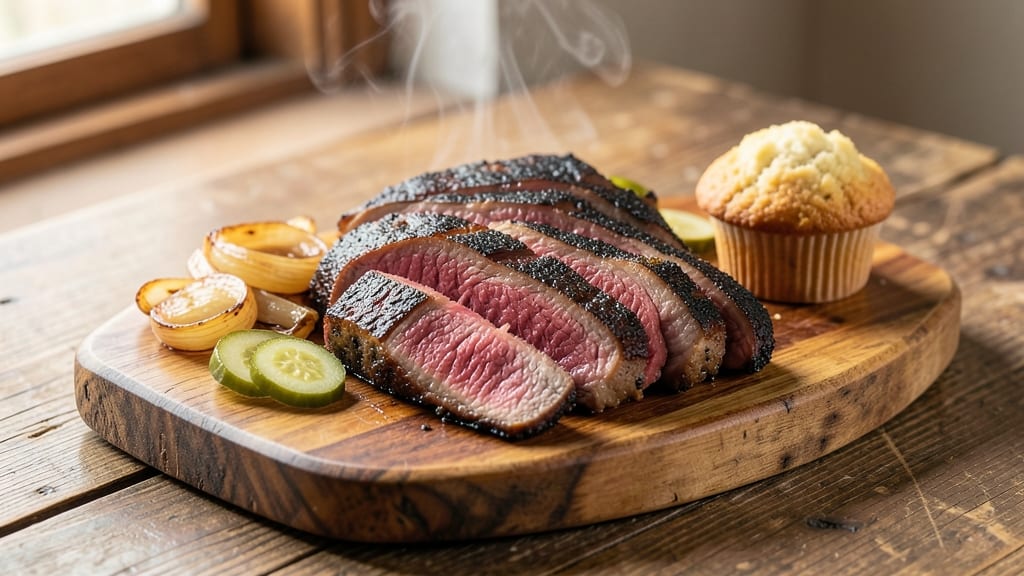
Mastering a smoked beef brisket brine recipe transforms tough cuts into melt-in-your-mouth perfection—this is the technique I perfected after years of backyard cookouts and pitmaster trials. The secret lies in a precise balance of salt, sugar, and aromatics that tenderizes while locking in deep, smoky flavor from start to finish.
My family's first whiff of hickory smoke still brings me back to those summer evenings, but this method ensures restaurant-quality results every time.
This brining process isn't just about seasoning—it's a flavor infusion that works with your smoke to create a brisket so tender it practically falls apart at the touch.
We're talking 18-24 hours of immersion in a carefully calibrated brine, followed by low-and-slow smoking at 225°F with hardwood like oak or hickory. The result? A crust so dark it's nearly black, a bark that shatters at every bite, and meat so juicy it needs no sauce to shine.
What makes this recipe truly professional is the attention to detail at every stage: precise brining times, temperature control during smoking, and the critical resting period before slicing. The bark develops its signature depth during the final hours of smoke, while the interior remains moist and rich.
This isn't just brisket—it's a centerpiece that commands the table, with sides playing supporting roles to highlight its complex flavors.
Pair it with classic smoked sides like caramelized onions, tangy pickles, and buttery cornbread to complete the experience. The key to success lies in patience and precision—both of which pay off with a brisket that becomes the stuff of legend at your gatherings.
Let's get started on creating your signature masterpiece.
Ingredients for smoked beef brisket brine
Four pounds of brisket, twelve ingredients, and twenty-four hours of magic.
| Ingredient | Amount | Notes |
|---|---|---|
| Beef Brisket 🥩 | 4 lb | Whole packer cut, fat cap intact |
| Kosher Salt 🧂 | 1 cup | Diamond Crystal preferred |
| Brown Sugar 🍯 | ½ cup | Light or dark, packed |
| Black Peppercorns 🌶️ | 2 tbsp | Freshly cracked, coarse grind |
| Garlic Cloves 🧄 | 8 cloves | Smash lightly for aroma |
| Onion Powder 🧅 | 1 tbsp | Freshly ground preferred |
| Ground Mustard 🌿 | 1 tbsp | Dijon if available |
| Smoked Paprika 🌶️ | 1 tbsp | For deep smoky flavor |
| Bay Leaves 🍃 | 2 whole | Fresh preferred |
| Fresh Thyme 🌿 | ¼ cup | Stems removed, chopped |
| Ice Cold Water 💧 | 4 cups | For proper brine dilution |
| Hickory Wood Chips 🌳 | 1 package | For smoking, soaked 1 hour |
The brisket cut is non-negotiable here—you need a whole packer cut with that fat cap intact for moisture and flavor. Costco and local butcher shops usually carry the best quality, but watch for bright red color and good marbling. If you can't find a whole brisket, two 2-pound flat cuts will work in a pinch, but they won't have the same fat content. The kosher salt matters too—I always use Diamond Crystal because it dissolves faster and gives better penetration. For the wood chips, Traeger or Cookshack brands stay consistent in their smoke flavor.
No smoked paprika? Regular paprika plus a pinch of liquid smoke gets you close, but it won't be the same depth. Fresh thyme unavailable? Dried thyme at one-third the amount works, but it lacks that bright aroma. The mustard is optional but adds a subtle tang that balances the sweetness. For the water, ice cold is critical—it helps the brine penetrate faster. If you're short on time, use a meat tenderizer mallet to pound the brisket lightly before brining. And trust me, the bay leaves make a difference—don't skip them.
This brine keeps in the fridge for up to 3 days if you want to make it ahead, but I recommend brining the brisket immediately for best results. The brined brisket itself stays fresh in the fridge for 3-4 days before smoking, but it's best to smoke it within 24 hours. For leftovers, wrap tightly in foil and freeze for up to 3 months. The bark gets better with reheating—just warm it slowly in the oven with a little apple juice to keep it moist.
Why You'll Love This Recipe
- No-Fuss Prep: I’ll be real—this brine takes less time than deciding what to watch on Netflix. Just toss the brisket in a bag with salt, sugar, pepper, and garlic, then let it sit overnight. Zero chopping, zero fuss, just pure flavor waiting to happen.
- Sweet-Smoky Magic: That brown sugar and cracked peppercorn blend? It’s what turns tough brisket into melt-in-your-mouth perfection. The garlic infuses deep, while the smoke clings like a hug—rich, caramelized, and impossible to resist.
- Leftovers That Shine: Between us, the best part of brisket is the second meal. Slice the brined, smoked brisket thin for sandwiches, tacos, or even a quick hash the next day. It’s the kind of protein that keeps giving without a second thought.
- Budget-Backbone Meal: A whole packer of brisket costs less than takeout for two—and this brine makes it taste like a restaurant cut. Honestly, it’s my go-to for game days, potlucks, or lazy Sundays when I’d rather spend money on wine than groceries.
Step-by-step instructions for smoked beef brisket brine
Here's how to create the perfect flavor lock for your brisket—simple steps for maximum tenderness.
Prepare the Brine Base
In a large non-reactive container or bowl, combine the 4 cups ice cold water with the 1 cup kosher salt and 0.5 cup brown sugar. Stir until both ingredients are completely dissolved—you shouldn't see any salt crystals at the bottom. This ensures even distribution throughout the brine.
Here's the thing—ice cold water helps the salt dissolve faster and creates a more stable brine temperature. If you use warm water, the salt might not dissolve as thoroughly, leaving uneven flavor in your brisket. Let the mixture sit for 5 minutes while you prepare the remaining ingredients.
Add Aromatics and Seasonings
Gently add the 8 cloves garlic cloves (lightly smashed), 0.25 cup fresh thyme, 2 whole bay leaves, 1 tbsp onion powder, 1 tbsp ground mustard, 1 tbsp smoked paprika, and 2 tbsp black peppercorns to the brine mixture. Stir everything together just until combined—no need to overmix, as this could break down the garlic or thyme.
I like to press the garlic cloves slightly with the back of a knife to release their aroma without breaking them apart completely. This ensures flavor infusion without making the brine too chunky. The bay leaves and thyme will infuse their essence into the water, while the spices create that deep, complex flavor profile we're after.
Submerge the Brisket Completely
Place the 4 lb beef brisket in the brine, making sure it's fully submerged. You can use a weight like a plate or bowl if needed to keep it down. The brisket should stay in the refrigerator for 12 to 24 hours—this is crucial for maximum tenderness and flavor penetration.
Don't skip this step, even if it seems like a long wait. The brine works by breaking down muscle fibers and adding moisture, which is what gives you that fall-apart tenderness. If you're short on time, at least 8 hours will help, but 24 hours is ideal for restaurant-quality results. The brisket will absorb about 10-15% of its weight in brine, so it might feel heavier when you remove it.
Prepare for Smoking
After brining, remove the brisket from the liquid and rinse it briefly under cold water to remove any excess salt. Pat it dry thoroughly with paper towels—this step is critical for developing that perfect bark during smoking. The drier the surface, the better the crust will form.
While the brisket rests uncovered in the fridge for 30 minutes to dry, soak the 1 package hickory wood chips in water for at least 30 minutes. This prevents them from burning too quickly in the smoker. Once everything is prepped, your brisket is ready for the smoker—just follow your preferred low-and-slow smoking method for that perfect tender result.
Pro Tips For Making Smoked Beef Brisket Brine
- Trim the Fat First: DESCRIPTION: Cut the thick fat cap down to about ¼-inch before brining—it renders faster and keeps the meat from turning greasy. I used to skip this, and my brisket ended up slick and unevenly seasoned. A sharp knife and steady hand make all the difference.
- Salt in Layers: DESCRIPTION: Don’t just dump salt on top—pack it between the grain and fat cap too. Use about ½ cup kosher salt per gallon of brine, and let it sit at least 12 hours (overnight is ideal). I learned this the hard way when my brisket tasted flat because the seasoning only stuck to the surface.
- Crush Pepper, Don’t Grind: DESCRIPTION: Lightly crush black peppercorns in a mortar or with the flat of a knife—this releases flavor without turning it into dust. Whole peppercorns just sit there like decorative rocks. Same goes for garlic: smash the cloves, don’t mince them.
- Chill the Brine: DESCRIPTION: Keep the brine cold (below 40°F) while the brisket soaks—warm brine cooks the meat on the outside before it’s had a chance to absorb anything. I used to rush this, and my brisket would come out mushy. A big cooler or fridge works best.
Flavor customization for this recipe
Sweet Heat Balance
Adjust the sugar-to-spice ratio to suit your taste—my go-to is ½ cup brown sugar for every 1 tbsp smoked paprika, but I've seen pitmasters use ⅓ cup sugar with 2 tbsp cayenne for a fiery kick.
For a sweeter profile, add 1 tbsp molasses to the brine—it deepens the caramel notes during smoking. 🌶️
Herb Variations
Swap thyme for rosemary (0.25 cup chopped) for a piney aroma, or add 1 tbsp fresh oregano for Mediterranean flair. I once brined with wild sage I foraged near the coast—it gave the brisket an earthy complexity that surprised even my toughest critics. Just remember: fresh herbs always outperform dried.
Umami Boosters
For deeper savory notes, add 1 tbsp fish sauce or 1 tbsp soy sauce to the brine base. I discovered this trick after a trip to Thailand where I saw how umami transforms simple dishes.
For a smoky umami punch, include 1 tbsp liquid smoke (like Traeger's) in the brine—just don't overdo it or you'll taste artificial notes.
Spice Rub Fusion
After brining, coat your brisket with a dry rub made from 1 tbsp brown sugar, 1 tbsp smoked paprika, and ½ tsp black pepper. This creates a dual-layer flavor where the brine works inside and the rub builds that signature bark.
Pro tip: Spritz the brisket with apple cider vinegar every 2 hours during smoking for extra moisture.
Wood Chip Alternatives
While hickory is classic, try oak for milder smoke or pecan for a sweeter profile. I once experimented with cherry wood during summer cookouts—it gave the brisket a fruity undertone that paired perfectly with peach salsa. Just remember: fruit woods burn faster, so soak them 1 extra hour before using.
Regional Twists
For Texas-style brisket, add 1 tbsp chili powder and ½ tsp cumin to the brine. In the Carolinas, I've seen pitmasters include 1 tbsp apple cider vinegar for tang.
My personal favorite? A Caribbean-inspired version with 1 tbsp allspice and ½ tsp nutmeg—it's unexpected but works beautifully with jerk seasoned sides.
Nutrition facts
Frequently asked questions
How long should I brine the brisket for optimal results?
The ideal brining time is 12-24 hours in the refrigerator. This gives the salt and aromatics enough time to fully penetrate the meat for maximum tenderness. If you're short on time, at least 8 hours will help, but the longer it brines, the more flavorful and tender your brisket will be.
Can I reuse the brine liquid after removing the brisket?
No, you shouldn't reuse the brine after removing the meat. The brine becomes contaminated with meat juices and bacteria, which can cause spoilage. It's best to discard it after use. For a second batch, simply make a fresh brine with the same ingredients.
What's the best way to store brined brisket before smoking?
After brining, rinse the brisket briefly under cold water to remove excess salt, then pat it completely dry with paper towels. Store it uncovered in the refrigerator for 30 minutes to dry the surface further. This helps develop a better bark during smoking. The brined brisket will keep in the fridge for 3-4 days before smoking.
Why does my brined brisket turn out tough instead of tender?
Toughness usually comes from either under-brining (less than 8 hours) or over-smoking at too high a temperature. Keep your smoker at a steady 225°F and use a meat thermometer to check doneness at 195-203°F in the thickest part. Also, ensure you're using a whole packer cut with the fat cap intact for proper moisture retention.
Can I make this brine without brown sugar?
Yes, but your brisket will lack some of the caramelized depth that develops during smoking. You can substitute with ½ cup honey or ⅓ cup maple syrup for similar sweetness, though the texture might differ slightly. The sugar helps create that signature bark while balancing the saltiness.