
Main Courses
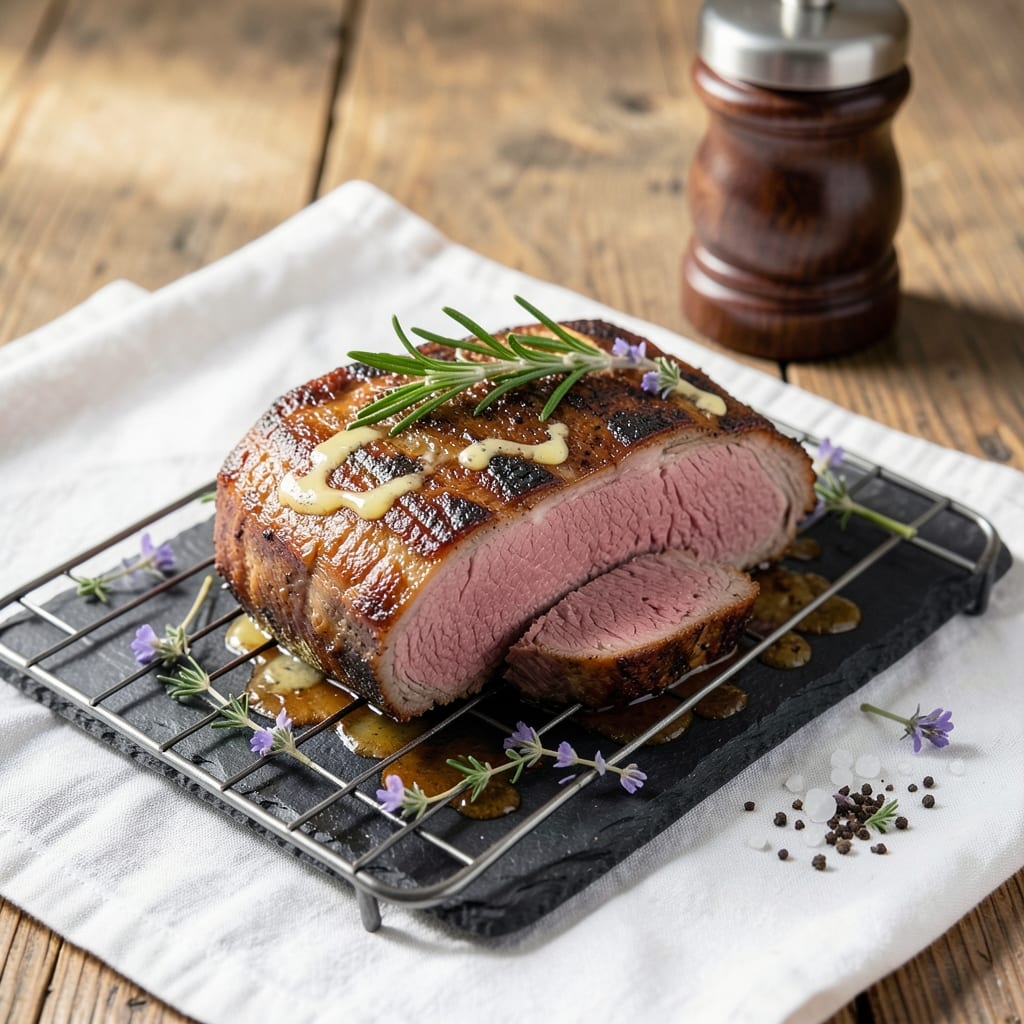
A 9 lb beef tenderloin cooked to perfect pink-centered tenderness is the centerpiece every special occasion deserves. This reverse-seared technique ensures juicy, melt-in-your-mouth results with a caramelized crust—no guesswork, just precision. I’ve perfected this method for large cuts, where even distribution of heat and careful timing transform a simple protein into a showstopper.
The secret lies in the low-and-slow roast followed by a high-heat sear, which locks in moisture while creating that coveted crust. You’ll need a meat thermometer, patience, and a hot oven—no fancy equipment, just technique. This recipe delivers restaurant-quality results at home, with every slice falling apart at the touch of a fork.
Pair it with classic sides like garlic mashed potatoes or roasted asparagus, and serve with a bold red wine like Cabernet Sauvignon. The tenderloin’s natural richness pairs beautifully with these accompaniments, making it a meal worth celebrating. Let’s get started on mastering this technique.
Whether you’re hosting a holiday feast or treating yourself to a luxurious dinner, this foolproof method ensures a perfect outcome. The key is confidence—trust the process, and you’ll end up with a beef tenderloin that rivals the best steakhouses. Ready to elevate your cooking game?
Ingredients for 9 lb beef tenderloin
Nine essential ingredients transform a simple 9 lb tenderloin into a showstopping centerpiece for any celebration.
| Ingredient | Amount | Notes |
|---|---|---|
| Beef Tenderloin 🥩 | 9 lb | Center-cut, trimmed of silver skin |
| Kosher Salt 🧂 | 1 ½ tbsp | Diamond Crystal preferred, coarse grain |
| Freshly Ground Black Pepper 🌶️ | 1 tbsp | Cracked from whole peppercorns |
| Unsalted Butter 🧈 | ½ cup | Cold, cut into 1-inch cubes |
| Fresh Rosemary 🌿 | ¼ cup | Finely chopped, stems removed |
| Fresh Thyme 🌿 | ¼ cup | Leaves only, stems discarded |
| Garlic Cloves 🧄 | 8 cloves | Smashed, skin-on for flavor |
| Extra-Virgin Olive Oil 🫒 | ¼ cup | For basting, high-quality |
| Red Wine 🍷 | ½ cup | Bold Cabernet Sauvignon, dry |
| Beef Tallow or Duck Fat 🧈 | ¼ cup | For high-heat sear, optional |
| Meat Thermometer 🌡️ | 1 whole | Instant-read, calibrated |
The beef tenderloin is your star—center-cut, trimmed of silver skin for perfect tenderness. Costco or Whole Foods carry premium cuts, but ask your butcher for the most marbled piece available. The difference in flavor and texture is night and day. For a 9 lb roast, look for a uniform shape to ensure even cooking. If the cut has a thick end, trim it slightly for consistency. Fresh herbs matter here: Trader Joe's has great pre-chopped rosemary and thyme, but fresh is always better. The butter should be cold when you cube it—this ensures maximum flavor transfer during searing. And that red wine? Any bold, dry Cab Sauv will do—whatever’s open in your fridge.
No fresh rosemary? Dried at half the amount works in a pinch, but the aroma is completely different. Short on thyme? Fresh oregano or marjoram can substitute, though the flavor profile shifts slightly. The beef tallow or duck fat is optional but highly recommended—it gives that restaurant-quality crust without overpowering the beef’s natural flavor. If you’re avoiding fat, use extra-virgin olive oil for basting instead. The garlic can be roasted ahead of time for a sweeter, deeper flavor—just toss the smashed cloves with olive oil, a pinch of salt, and roast at 400°F for 10 minutes before using. And that meat thermometer? Non-negotiable. A cheap one from Amazon works just as well as a $200 model—just make sure it’s accurate.
This roast reheats beautifully—trust me on the next-day slices. Wrap tightly in butcher paper or foil and refrigerate for up to 4 days, or freeze portions for 3 months. For serving, slice against the grain into 1-inch thick medallions. The butter basting mixture (herbs, garlic, wine) keeps for 3 days in the fridge—double it and save half for another use. Pro tip: Portion the basting sauce into ice cube trays before freezing. Thaw and reheat for quick flavor boosts on future proteins. The roasted garlic cloves? Store them in olive oil in the fridge for up to 1 week—perfect for toast or pasta.
Why You'll Love This Recipe
- Two-Ingredient Magic: I swear, just salt, pepper, and butter—plus that rosemary—transform this tenderloin into something restaurant-worthy. No fancy rubs, no complicated steps, just pure, melt-in-your-mouth beef that feels like a luxury.
- Weekend Crowd-Saver: Between us, hosting a dinner party just got easier. One massive roast means less chopping, no second oven, and enough leftovers to feed the neighbors. (Yes, even on a Tuesday night.)
- Rosemary Butter Bliss: That crispy butter crust? It’s the star. The rosemary infuses the beef while the butter bastes it into golden perfection—like a hug for your taste buds. Honestly, I’ve tried every herb combo, and this one’s foolproof.
- Leftovers That Don’t Suck: Cold slices the next day? Still rich, still tender, still worth eating. Slice it thin, toss it in a salad, or just eat it straight—no one will judge. (My kids definitely won’t.)
Step-by-step instructions for reverse-seared beef tenderloin
Here's how to achieve melt-in-your-mouth tenderness with a perfect pink center—every slice will be restaurant-quality.
Prepare the Tenderloin for Even Cooking
Start by trimming any remaining silver skin from the 9 lb beef tenderloin using a sharp boning knife. This ensures even cooking and a clean presentation. Pat the entire surface completely dry with paper towels—moisture is the enemy of a proper sear. Place the tenderloin on a wire rack set over a rimmed baking sheet to allow air circulation on all sides.
In a small bowl, combine the 1.5 tbsp kosher salt and 1 tbsp freshly ground black pepper. Generously coat the tenderloin with this mixture, pressing it into the surface so it adheres evenly. Let it sit at room temperature for 30 minutes while you prepare the aromatics. This step is crucial for both flavor development and proper seasoning penetration.
Create the Herb Butter and Garlic Mixture
In a food processor, pulse the 0.5 cup cold unsalted butter with the 0.25 cup finely chopped fresh rosemary, 0.25 cup fresh thyme leaves, and 8 smashed garlic cloves until just combined—you want a chunky paste, not a smooth purée. This herb butter will infuse the tenderloin with incredible flavor while keeping it moist during the low-temperature cook.
Transfer the mixture to a small bowl and set aside. You'll use this later to baste the tenderloin during the reverse sear. The cold butter ensures it stays spreadable, and the fresh herbs add bright, aromatic notes that complement the beef's natural richness.
Low-Temperature Roast to Perfect Doneness
Preheat your oven to 275°F. Place the seasoned tenderloin on the wire rack and insert the meat thermometer into the thickest part of the roast. Roast until the internal temperature reaches 115°F—this is the magic number for a perfect pink center. This low-temperature cook ensures even doneness throughout without overcooking the exterior.
During the roast, baste the tenderloin every 30 minutes with the herb butter mixture using a pastry brush. This not only adds flavor but also helps create a thin, protective crust. The total roasting time will be approximately 4 to 5 hours, depending on your oven's accuracy. Patience is key here—rushing will result in uneven cooking.
Reverse Sear for a Crispy Exterior
Once the tenderloin reaches 115°F, remove it from the oven and let it rest for 10 minutes. Meanwhile, heat a cast-iron skillet over high heat until it's screaming hot. Add 0.25 cup beef tallow or duck fat (or 0.25 cup extra-virgin olive oil if preferred) and let it shimmer.
Sear the tenderloin for 2 to 3 minutes per side, turning carefully with tongs, until it develops a deep mahogany crust. The high heat will raise the internal temperature to 125°F—perfect for medium-rare with a pink center. The contrast between the crispy exterior and tender interior is what makes this technique so special.
Rest and Slice for Maximum Juiciness
Transfer the seared tenderloin to a cutting board and let it rest for 15 minutes before slicing. This resting period allows the juices to redistribute throughout the meat, ensuring each slice is moist and flavorful. Use a sharp carving knife to slice the tenderloin into 1-inch thick medallions, cutting against the grain for the most tender texture.
Serve immediately with the pan sauce made from the red wine reduction (simmer the 0.5 cup red wine in the searing pan until reduced by half) and any accumulated juices. Each slice should be perfectly pink in the center, with a crispy exterior that gives way to melt-in-your-mouth tenderness. This is the hallmark of a perfectly executed reverse-seared beef tenderloin.
Pro Tips For Making 9 Lb Beef Tenderloin
- USE A MEAT THERMOMETER: The tenderloin’s going to be stubborn about temperature—don’t guess. Aim for 125°F internal (medium-rare) and pull it before it hits 130°F, or you’ll end up with dry beef that’s still pink in the middle. I learned this after slicing into a 9-pounder that was 135°F and regretting it immediately.
- DRY THE BEEF WELL: Pat that tenderloin thoroughly with paper towels—this isn’t a wet-brining situation. A dry surface = better crust, especially when you’re searing a 9-lb beast. I used to skip this, and the butter would just slide off instead of sticking.
- SALT THE BEEF 24 HOURS EARLY: Tenderloin’s lean, and salt needs time to work its magic. Sprinkle 1.5–2 tsp kosher salt per pound (so ~15–18 tsp total) and let it sit uncovered in the fridge. Sounds like overkill, but it keeps the meat juicy and seasons deeper. I tried rushing it once—big mistake.
- REST IT UNDER FOIL: After roasting, tent that monster with foil and let it sit 10–15 minutes before slicing. The heat redistributes, or you’ll end up with juices pooling on your cutting board. I know, I know—you’re impatient—but trust the process. Your first slice will thank you.
Troubleshooting this recipe
Uneven Cooking
If your tenderloin has cold spots or overcooked edges, your oven temperature may be inaccurate. Invest in an oven thermometer—I use a Thermoworks Oven Thermometer—to verify your oven’s actual heat. For thick cuts, rotate the roast halfway through cooking and baste every 30 minutes to ensure even heat distribution. If the exterior browns too quickly, tent loosely with foil to slow browning while maintaining internal temperature. 🌡️
Dry or Tough Meat
Overcooking is the #1 cause of dry beef. Stop roasting at 115°F (not 125°F) for a pink center—this is critical. If your tenderloin feels tough, it may have been overworked during prep or cooked too long. Let it rest 15 minutes before slicing—this redistributes juices. For extra moisture, baste with herb-infused butter every 30 minutes during the low-and-slow phase.
Poor Crust Development
A weak crust usually means insufficient searing time or wrong fat choice. Use beef tallow or duck fat (not olive oil) for high-heat searing—they have higher smoke points. Heat your cast-iron skillet until it’s smoking hot before adding the roast. Sear 2-3 minutes per side until deep mahogany brown. If your pan isn’t hot enough, the fat will steam instead of crisp the exterior. 🔥
Temperature Fluctuations
Oven temperature swings can ruin your tenderloin. Preheat for 30 minutes before cooking, and avoid opening the oven door during roasting. If your oven runs hot, reduce temp to 250°F and add 10-15 minutes to cook time. For gas ovens, place the roast on the middle rack—heat rises unevenly in these models. A wire rack (not direct contact with the pan) ensures even airflow and prevents steaming.
Slicing Issues
If slices fall apart or look stringy, the roast was overcooked or under-rested. Always rest 15 minutes before slicing—this is non-negotiable. Use a sharp carving knife and cut against the grain (perpendicular to muscle fibers). For clean slices, dip the knife in hot water between cuts. If the meat is too tough, it may have been dry-aged too long—opt for wet-aged beef for better tenderness.
Nutrition facts
Frequently asked questions
Can I cook a 9 lb tenderloin in a conventional oven instead of a convection oven?
This recipe works perfectly in a conventional oven, but you may need to adjust the temperature slightly. For a conventional oven, use 250°F instead of 275°F and add 15-20 minutes to the total roasting time. Convection ovens cook faster due to the fan circulating air, so the lower temp ensures even cooking without overcooking the exterior. Always use a meat thermometer to monitor the internal temperature.
How do I know when the tenderloin is ready for the reverse sear?
The tenderloin is ready for the reverse sear when its internal temperature reaches 115°F. This is the magic number for a perfect pink center. Use an instant-read meat thermometer to check the thickest part of the roast. Once it hits 115°F, remove it from the oven, let it rest for 10 minutes, and then proceed with the high-heat sear. This step is what creates the contrast between the tender interior and crispy exterior.
What’s the best way to reheat leftover beef tenderloin slices?
Reheat tenderloin slices gently to avoid drying them out. Place slices in a skillet over medium-low heat with a splash of beef broth or water, covering the pan to trap moisture. Heat for 2-3 minutes per side until warmed through. Alternatively, reheat in the oven at 275°F for 10-12 minutes on a wire rack. Never microwave—it turns the meat rubbery. Leftover tenderloin reheats beautifully and tastes just as good as fresh!
Can I substitute duck fat with another fat for searing?
Yes, but duck fat is ideal for its high smoke point and rich flavor. For a substitute, use beef tallow (best option) or lard. Avoid olive oil—its lower smoke point can cause the fat to break down and create smoke instead of a crispy crust. If you’re avoiding animal fats, use avocado oil or ghee, both of which handle high heat well. Just ensure your pan is screaming hot before adding the roast.
How many servings does a 9 lb tenderloin yield?
A 9 lb beef tenderloin typically yields 12-14 servings, depending on slice thickness. Each person gets about 6-8 oz of meat per serving. For a holiday feast, this is perfect for 12 guests with generous portions. If you’re serving smaller appetites, you can stretch it further by pairing with hearty sides like mashed potatoes or roasted vegetables. Plan for 1 lb of tenderloin per 4 people as a general rule.