
Main Courses
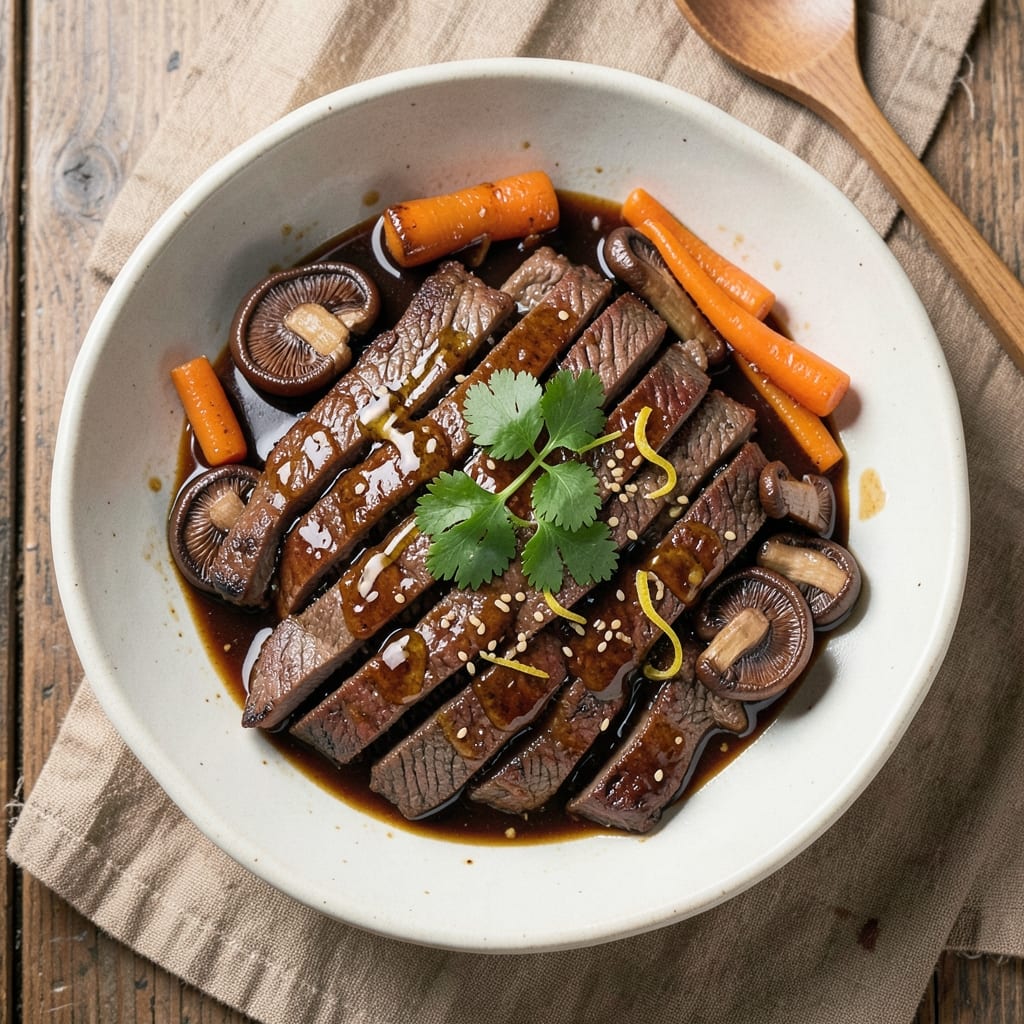
This Asian Mongolian beef recipe transforms tough cuts into melt-in-your-mouth strips with a sticky-sweet sauce that clings to every bite. The secret lies in the marinade—tenderizing the beef while infusing it with aromatic flavors—and the high-heat stir-fry that locks in juices. I've perfected this technique over years of testing, and the results are always restaurant-quality, even in a home kitchen.
The process starts with a simple marinade of soy sauce, brown sugar, and garlic, which breaks down the meat fibers and builds depth of flavor. After marinating for at least 30 minutes, the beef is stir-fried in small batches to ensure even cooking and maximum crispness. The sauce, a blend of honey, soy sauce, and a touch of vinegar, is tossed in at the end, creating that signature glossy sheen and sweet-savory balance.
What you'll end up with is tender, caramelized beef that practically falls apart at the touch, coated in a sauce that's both sticky and savory. The aroma alone will have everyone gathering around the table, and the first bite delivers on that perfect harmony of sweet, tangy, and umami flavors. This dish is a crowd-pleaser that works for weeknight dinners or special occasions.
Serve it over steamed rice or with noodles to soak up every last bit of that delicious sauce. The recipe is adaptable too—swap in chicken or tofu for a variation, or adjust the sweetness to your taste. Ready to master this classic? Let's get cooking.
Ingredients for asian mongolian beef
The beef, marinade, and sauce—three key players for that signature sticky-sweet flavor.
| Ingredient | Amount | Notes |
|---|---|---|
| Flank Steak 🥩 | 1 ½ lb | Thinly sliced against grain |
| Soy Sauce 🍶 | ½ cup | High-quality, low-sodium preferred |
| Brown Sugar 🍯 | ¼ cup | Packed, light or dark |
| Garlic Cloves 🧄 | 6 cloves | Minced, fresh preferred |
| Ginger Root 🌿 | 1 tbsp | Freshly grated, not powdered |
| Sesame Oil 🫒 | 1 tbsp | Toasted, for aroma |
| Vegetable Oil 🫒 | 3 tbsp | High smoke point for stir-fry |
| Honey 🍯 | ¼ cup | Pure, for sauce balance |
| Rice Vinegar 🍶 | 1 tbsp | White or seasoned |
| Green Onions 🧅 | ¼ cup | Sliced, white and green parts |
| Sesame Seeds 🌾 | 1 tbsp | Toasted, for garnish |
| Salt 🧂 | 1 tsp | Kosher or sea salt |
| Black Pepper 🌶️ | ½ tsp | Freshly ground |
| Cornstarch 🌾 | 1 tbsp | For sauce thickening |
Flank steak is your best bet—it's lean but tender when sliced thin. Ask the butcher to cut it against the grain if you're not up for it yourself. I grab mine from Costco when I can, but any grocery store's meat department works. Look for good marbling—it means more flavor. The soy sauce? Kikkoman or La Choy are solid choices, but any high-quality brand will do. Fresh ginger and garlic are non-negotiable here—they make all the difference in that aromatic marinade.
No flank steak? Sirloin or skirt steak work too, but slice them extra thin. Short on brown sugar? White sugar works in a pinch—just add a pinch of cinnamon to mimic the molasses notes. Sesame oil giving you sticker shock? Toasted peanut oil is a great sub. The sauce can be made ahead—just store it separately from the beef until serving. And if you're feeling fancy, swap the rice vinegar for a splash of mirin for extra depth.
Marinated beef keeps for 2 days in the fridge, but the sauce can be prepped 3 days ahead. Freeze the sauce in ice cube trays for easy single-use portions. The steak reheats best in a skillet—just add a splash of water to keep it moist. This dish is a game-changer for meal prep—double the batch and freeze half for lazy weeknights. The leftovers actually taste better the next day once everything melds together.
Why You'll Love This Recipe
- One-Pan Magic: I swear by this—just sear the steak, toss in the sauce (soy, brown sugar, garlic, ginger), and let it caramelize. No chopping, no fuss, no extra dishes. That sticky, glossy glaze? It happens while you’re still slicing veggies.
- Sweet-Savory Balance: The brown sugar and soy sauce team up for this addictive contrast—salty, sweet, umami all in one bite. The ginger and garlic? They wake up every chew, making it taste like you slaved over it (but you didn’t).
- Leftover Hero: This beef keeps better than takeout. Reheat slices in a pan or toss cold strips into a wrap the next day. Honestly, I’ve had it for breakfast—yes, even on a Tuesday—and it’s still spot-on.
- Budget Crowd-Pleaser: A single flank steak feeds four (or five if you’re generous). Stretch it further by serving with rice or noodles—everyone gets seconds, and your wallet stays happy. Plus, the ingredients? Basic pantry staples with zero weird substitutions.
Step-by-step instructions for Asian Mongolian beef
Here's how to make this sweet-savory sauce that clings perfectly to tender beef every time.
Prep the Flank Steak for Maximum Tenderness
Start by slicing the 1.5 lb flank steak thinly against the grain using a sharp knife. I like to work in batches—slice about a quarter of the steak at a time so it stays manageable. The goal is to get strips about ¼-inch thick, which ensures they cook quickly and remain tender.
Place the sliced steak in a bowl and sprinkle with 1 tsp salt and ½ tsp black pepper. Toss gently to coat evenly. Let it sit for 15 minutes at room temperature—this helps the meat cook more uniformly. Don't skip this step; cold meat can turn tough when cooked too quickly.
Marinate the Beef for Flavor Infusion
In a separate bowl, whisk together ½ cup soy sauce, ¼ cup brown sugar, 1 tbsp rice vinegar, 1 tbsp sesame oil, 6 minced garlic cloves, and 1 tbsp freshly grated ginger root. Pour this marinade over the sliced steak and toss to coat completely. Cover and refrigerate for at least 30 minutes (or up to 2 hours for deeper flavor).
Here's the thing—this marinade does double duty. The acidity from the rice vinegar tenderizes the meat, while the soy sauce and brown sugar create that signature sweet-savory balance. The ginger and garlic add aromatic depth that'll make your kitchen smell amazing.
Stir-Fry the Beef to Perfect Doneness
Heat 3 tbsp vegetable oil in a large skillet or wok over medium-high heat until shimmering. Remove the beef from the marinade (reserve the marinade) and add it to the hot oil in a single layer. Cook undisturbed for 1-2 minutes until the beef develops a golden crust on one side—this is your signal to flip.
Once browned on the first side, stir-fry for another 1-2 minutes until the beef is cooked through but still tender. You want it to reach an internal temperature of 140°F (medium-rare). Remove the beef to a plate and set aside. Don't overcook it; you'll finish it in the sauce.
Build the Signature Sauce
Return the skillet to medium heat and add the reserved marinade. Bring to a gentle simmer and let it cook for 3-4 minutes until slightly thickened. In a small bowl, whisk together 1 tbsp cornstarch with 2 tablespoons water to make a slurry. Slowly pour this into the simmering sauce while stirring constantly.
Add ¼ cup honey and 1 tbsp toasted sesame oil to the sauce. Stir well and cook for another 1-2 minutes until the sauce thickens enough to coat the back of a spoon. The sauce should be glossy and clingy—this is what makes Mongolian beef so irresistible. If it's too thick, add a splash of water to loosen it.
Finish and Serve with Fresh Garnishes
Return the beef to the skillet and toss everything together until the beef is fully coated in the sauce. Cook for just 30 seconds to heat through. Transfer to a serving platter and garnish with ¼ cup sliced green onions and 1 tbsp toasted sesame seeds. Serve immediately over steamed rice or noodles.
Each bite should deliver perfectly tender beef with a sauce that's sweet, savory, and just a little tangy. The sauce should cling to every strand of beef, making every forkful delicious. If you have leftovers, store them in the fridge for up to 3 days—the flavors only get better as they meld together.
Pro Tips For Making Asian Mongolian Beef
- Slice Against the Grain: I learned this the hard way—cutting flank steak before cooking makes it easier to handle, but only slice it after resting. The grain runs diagonally, so angle your knife at 45 degrees for tender, bite-sized pieces that actually feel like they melt.
- Char the Garlic First: Skip mincing raw garlic—it burns fast and turns bitter. Instead, lightly crush the cloves with the flat side of your knife, toss them in a dry pan over medium heat for 30 seconds until fragrant (but not brown), then add the rest of your sauce. This builds flavor without overpowering the dish.
- Use Less Sugar, More Often: Brown sugar burns faster than you think in stir-fries. I now split the amount: half goes in the marinade, the other half gets tossed in at the very end with the sauce. This keeps the glaze shiny and caramelized without turning the whole pan into syrup.
- Rest the Meat Before Slicing: Flank steak needs a breather—give it a solid 5-10 minutes under foil after cooking. I know, I know, you’re hungry. But skipping this step means tough, stringy bites. The residual heat keeps it warm while the fibers relax. Trust me on this one.
Regional styles of this asian mongolian beef
Chinese Stir-Fry Roots
This dish traces back to Chinese-American cuisine in the mid-20th century, where it became a staple in restaurants like P.F. Chang's and Panda Express. The original version used flank steak sliced thinly against the grain, a technique still key today. Early recipes relied on soy sauce, brown sugar, and vinegar for that signature sweet-savory balance. The high-heat stir-fry method ensures the beef stays tender while developing a caramelized crust. 🌶️
Japanese Teriyaki Twist
In Japan, this dish often gets a teriyaki-inspired upgrade—using mirin and sake instead of rice vinegar in the marinade. The sauce becomes slightly glossier and more aromatic. Some versions even add grated daikon radish for texture. I love using Japanese-style soy sauce (shoyu) for a deeper umami punch. The result is a lighter, more refined take on the classic. 🍶
Korean Bulgogi Fusion
For a Korean-inspired version, swap the honey for gochujang (Korean chili paste) and add pear or apple juice to the marinade. This creates a slightly spicy, fruity twist while keeping the tender texture. Some recipes even include sesame seeds and toasted seaweed as garnishes. The dish becomes richer and more complex, with a subtle heat that pairs perfectly with rice. 🌶️
Thai Sweet Chili Adaptation
In Thailand, this dish might feature Thai sweet chili sauce instead of honey, along with fish sauce for umami depth. The marinade often includes lemongrass and kaffir lime leaves for an aromatic kick. Garnish with cilantro and crushed peanuts for texture. The result is a bright, tangy, and slightly spicy version that’s perfect with jasmine rice. 🌶️
Vietnamese Caramelized Style
Vietnamese chefs often caramelize the sugar in the sauce longer for a deeper, molasses-like flavor. They might also add fish sauce and black pepper for a savory, slightly funky profile. The beef is sometimes finished with fresh herbs like Thai basil or mint for a fresh contrast. This version is richer and more complex, with a bold, caramelized sweetness. 🍯
Modern Adaptations
Today, you’ll find gluten-free versions using tamari or coconut aminos instead of soy sauce. Some chefs even use bone broth in the sauce for extra depth. For a spicier kick, add Sichuan peppercorns or chili flakes. The dish remains versatile—whether you stick to tradition or experiment with global flavors. 🌟
Nutrition facts
Frequently asked questions
Can I use a different cut of beef instead of flank steak?
Yes! Sirloin or skirt steak work perfectly—just slice them extra thin (about ⅛-inch thick) against the grain. For even more tenderness, try ribeye or top round, but they'll need a longer marinating time (4+ hours) since they're tougher cuts. Avoid fatty cuts like chuck—they won't caramelize as nicely.
How do I prevent the beef from drying out?
Keep the beef moving in the pan and cook in small batches to avoid overcrowding. Use medium-high heat and don't exceed 3-4 minutes total cooking time per batch. For extra insurance, add 1 tbsp water to the sauce when reheating leftovers—it helps restore moisture.
What's the best way to make this gluten-free?
Replace soy sauce with tamari or coconut aminos (use ½ cup total). For the sauce, substitute honey with maple syrup and add 1 tsp xanthan gum to help thicken it naturally. The flavor stays rich and balanced—just watch the sweetness level closely since maple syrup is sweeter than honey.
Can I make the sauce ahead of time?
Prepare the sauce 1-2 days ahead and store it in the fridge. For best results, reheat it gently on the stove with 1 tbsp water before tossing with the beef. The sauce actually improves overnight as flavors meld. If storing longer than 3 days, freeze it in 1-tbsp portions—thaw in the fridge before using.
Why is my sauce too thin or too thick?
For a thinner sauce, add 1 tbsp water or broth while heating. For thicker sauce, mix ½ tbsp cornstarch with 1 tsp water and stir in. The ideal consistency should coat the back of a spoon but still glide smoothly. Pro tip: Simmer uncovered to reduce naturally if needed.