
Soups & Stews
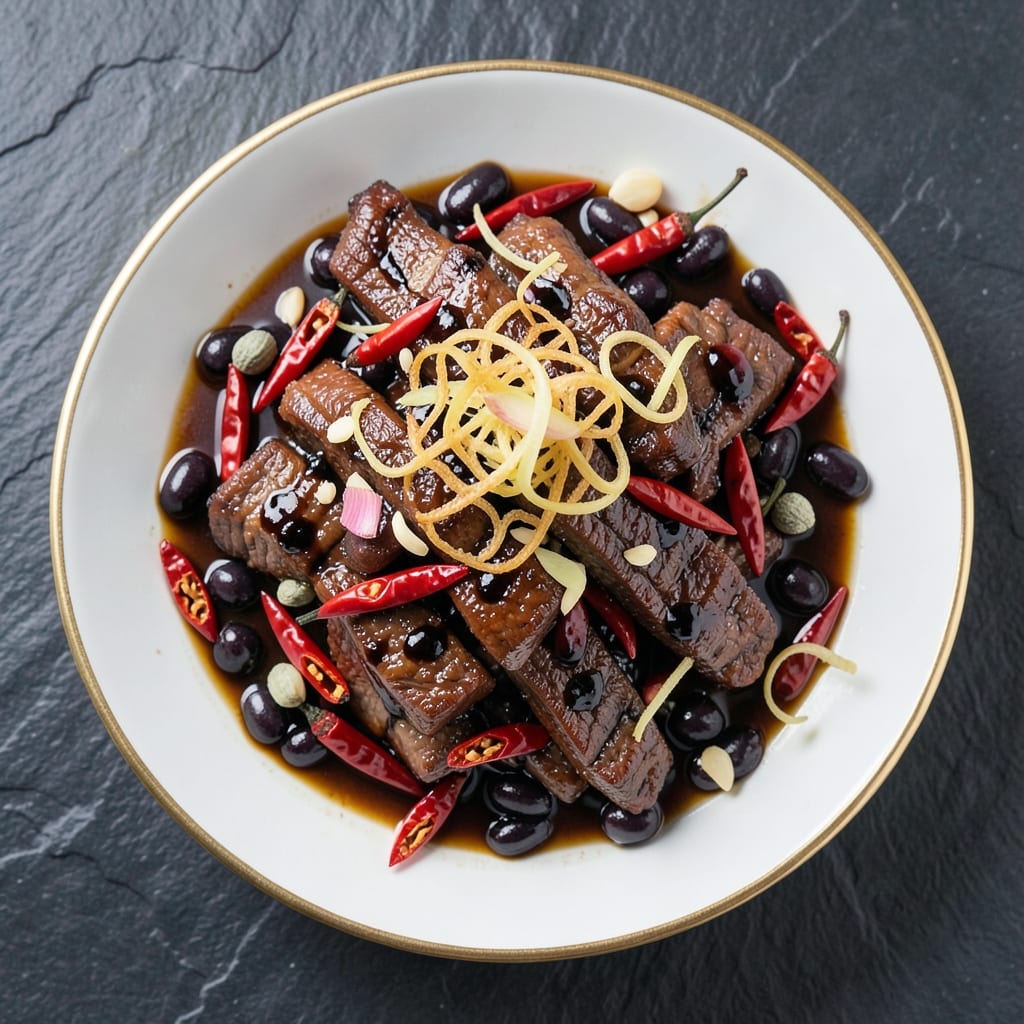
This authentic kung pao beef delivers the bold, balanced flavors of Sichuan cuisine in a single wok-tossed dish. The secret lies in marinating beef with a spicy-sweet-savory blend of chili, soy, and vinegar, then stir-frying until caramelized with Sichuan peppercorns and peanuts. Every bite delivers that signature tingling heat and crunch, just like your favorite Chinese restaurant—but with restaurant-quality technique at home.
The key to authentic kung pao beef is achieving wok hei—that coveted smoky aroma from a properly heated wok. We'll use high heat, quick tossing, and a reduced sauce that coats the beef in sticky, spicy-sweet glaze. Traditional ingredients like dried chilies, fermented black beans, and ginger build depth, while peanuts add texture that contrasts perfectly with tender beef strips.
What you'll end up with is a dish that's bold yet balanced—spicy without being overwhelming, sweet without being cloying, and nutty from the toasted peanuts. The Sichuan peppercorns add that signature lingering numbness that makes this dish unforgettable. Serve immediately over steamed rice to capture all the wok-tossed flavors at their peak.
This recipe maintains authenticity while adapting for home cooks—no special equipment required beyond a good wok or skillet. The 20-minute cook time includes prep, making it perfect for weeknight dinners that still feel special. Let's create this iconic Sichuan classic that's been wowing diners for generations.
Ingredients for authentic kung pao beef
Bold Sichuan flavors meet restaurant-quality technique in this wok-tossed dish.
| Ingredient | Amount | Notes |
|---|---|---|
| Beef Sirloin 🥩 | 1 ½ lb | Thinly sliced against grain |
| Dried Red Chilies 🌶️ | 2 whole | Arbol or Thai variety |
| Fermented Black Beans 🫘 | ¼ cup | Rinsed and drained |
| Sichuan Peppercorns 🌶️ | 1 tbsp | Toasted and crushed |
| Fresh Ginger 🧄 | 1 ½ tbsp | Finely minced |
| Garlic Cloves 🧄 | 6 cloves | Minced finely |
| Light Soy Sauce 🍶 | 2 tbsp | Kikkoman preferred |
| Dark Soy Sauce 🍶 | 1 tbsp | For color depth |
| Shaoxing Wine 🍷 | 2 tbsp | Substitute dry sherry |
| Rice Vinegar 🍶 | 1 ½ tbsp | White vinegar substitute |
| Brown Sugar 🍚 | 2 tbsp | Packed lightly |
| Peanuts 🥜 | ½ cup | Toasted and crushed |
| Green Onions 🧅 | 4 whole | Cut into 1-inch pieces |
| Vegetable Oil 🫒 | 3 tbsp | High smoke point |
| Salt 🧂 | ½ tsp | Diamond Crystal preferred |
The beef sirloin must be sliced thinly against the grain—ask your butcher to do this if possible. Costco or Whole Foods carry pre-sliced versions, but nothing beats fresh cuts. For the dried chilies, Asian markets offer the best selection—look for vibrant red, not faded or brittle. The fermented black beans are non-negotiable for that deep umami punch; Three Crabs brand is widely available. Sichuan peppercorns should be toasted in a dry pan until fragrant—this releases their signature numbing oils. Fresh ginger and garlic elevate the dish beyond basic stir-fry flavors, so don't substitute with powders here.
No Shaoxing wine? Dry sherry or mirin work in a pinch, though the flavor profile shifts slightly. The peanuts can be regular or salted—just toast them until golden for maximum crunch. Substitute roasted cashews if you prefer a smoother texture. For the soy sauces, Kikkoman light and Lee Kum Kee dark are standard choices, but any good-quality brands work. The brown sugar adds caramelization; if you only have white, lightly toast it first to deepen the flavor. Green onions can be swapped for scallions, but the mildness of regular onions won't cut through the spice.
Store fresh ginger and garlic in a sealed container in the fridge for up to 2 weeks. The fermented black beans keep for 6 months unopened in the pantry. For maximum flavor, marinate the beef for 30 minutes before cooking. Leftovers reheat beautifully—30 seconds in the microwave with a splash of water preserves the texture. This dish tastes even better the next day as flavors meld, so plan to make extra for lunches.
Why You'll Love This Recipe
- One-Pan Magic: I swear by this—just sear the beef, toss in the chilies and black beans, and let the wok do the work. No dirty dishes, no fuss, just that smoky-sweet aroma filling the kitchen.
- Fiery-Sweet Balance: That first bite? The Sichuan peppercorns give it this tingly warmth, while the fermented black beans add depth—like a party in your mouth. Honestly, it’s the kind of dish that makes you want to eat with your hands.
- Weeknight or Weekend: Throw it together for a quick Tuesday dinner or double the batch for a Saturday feast. The leftovers reheat like a dream, and my kids actually ask for it—no complaints about "boring meals" here.
- Budget Beef Boost: Sirloin stretches far with the stir-fry, and those dried chilies and black beans cost pennies but pack serious flavor. I’ll be real: this is how I feed my family well without breaking the bank.
Step-by-step instructions for authentic kung pao beef
Master this Sichuan classic with precise technique and bold flavors in just 20 minutes.
Prepare the Beef and Marinate for Maximum Flavor
Slice the 1.5 lb beef sirloin against the grain into ¼-inch thick strips. This ensures tender bites that cook quickly in the wok. Place the sliced beef in a bowl and add 2 tablespoons light soy sauce, 1 tablespoon dark soy sauce, 2 tablespoons Shaoxing wine, and 1.5 tablespoons rice vinegar. Mix well to coat evenly, then let it marinate for 10 minutes at room temperature. The acidity in the vinegar and wine will tenderize the beef while building layers of umami.
While the beef marinates, toast the 1 tablespoon Sichuan peppercorns in a dry skillet over medium heat for 2 minutes until fragrant. Crush them lightly with the flat side of a knife—this releases their signature numbing aroma. Set aside for later. The peppercorns are the secret weapon behind kung pao's signature tingling heat and complexity.
Build the Wok Hei Foundation
Heat a wok or large skillet over high heat until it's screaming hot. Add 3 tablespoons vegetable oil and swirl to coat the surface evenly. The oil should shimmer but not smoke—this is your signal that the wok is ready. Add the marinated beef in a single layer and let it sear undisturbed for 1 minute. You'll hear a satisfying sizzle as the beef releases its juices and develops a caramelized crust.
Stir the beef and cook for another 1-2 minutes until it's 80% cooked through but still slightly pink in the center. Remove the beef and set it aside on a plate. Don't overcook it here—it will finish cooking when combined with the sauce. The high heat is crucial; it creates that iconic "wok hei" or breathing fire that defines authentic stir-fries.
Stir-Fry the Aromatics and Sauce Base
In the same wok, add 1.5 tablespoons minced fresh ginger and 6 cloves minced garlic. Stir-fry for 30 seconds until the ginger turns golden and the garlic becomes fragrant—this prevents them from burning. Add the 2 whole dried red chilies and cook for another 20 seconds until they darken slightly. The chilies should impart heat without dominating the dish.
Pour in 2 tablespoons brown sugar and stir to caramelize slightly. This step creates the signature sweet-spicy balance of kung pao. Add the 0.25 cup rinsed fermented black beans and stir-fry for 1 minute until they're heated through. The black beans add texture and depth, preventing the dish from becoming too saucy. Their fermented flavor bridges the gap between the spicy and savory elements.
Combine and Finish with Peanuts and Green Onions
Return the beef to the wok and add the crushed Sichuan peppercorns, 0.5 teaspoon salt, and any accumulated juices from the plate. Stir-fry for 1-2 minutes until the beef is fully cooked and coated in the sauce. The peppercorns should now be evenly distributed, promising that signature numbing finish.
Push the beef to one side of the wok and add the 0.5 cup toasted crushed peanuts to the empty space. Stir quickly to toast them lightly—just 30 seconds—so they add crunch without burning. Add the 4 whole green onions, cut into 1-inch pieces, and toss everything together for 1 minute. The peanuts should be warm but not crispy, and the green onions should brighten the dish with freshness.
Plate with Precision for Maximum Impact
Transfer the kung pao beef to serving plates immediately. The dish should be vibrant—deep red from the dark soy sauce, glossy from the wok hei, and studded with peanuts and green onions. Serve with steamed jasmine rice to soak up the bold flavors. The contrast between the sticky rice and the spicy, nutty beef creates the perfect balance.
For an authentic touch, garnish each serving with an extra sprinkle of crushed peanuts and a few green onion slices. The dish should be hot, with a perfect marriage of spicy, sweet, tangy, and nutty flavors. Each bite should deliver a complex harmony where no single element overpowers the others—a testament to the balance at the heart of Sichuan cuisine.
Pro Tips For Making Authentic Kung Pao Beef
- STIR-FRY IN BATCHES: Kung pao beef isn’t a one-and-done stir-fry—crowd the pan, and you’ll steam the beef instead of sear it. Cut the beef into even 1-inch chunks, then work in two batches. The first batch gets a proper crust while you prep the second, and the sauce ties everything together better when the meat’s already browned.
- SOAK THE DRY CHILIES: I used to just toss dried red chilies straight into the wok, and they’d either burn or taste like ash. Now I soak them in warm water for 10 minutes first—just long enough to soften without turning mushy. Drain well before adding, or your sauce will turn into a watery sludge.
- CRUSH SICHUAN PEPPERCORNS: Whole Sichuan peppercorns add texture, but if you want that signature numbing heat, crush half of them in your palm before toasting. The oils release faster, and the flavor integrates into the sauce instead of sitting as little pepper bombs. (Yes, it’s weird—trust me.)
- SAVE THE BEAN LIQUOR: Fermented black beans release their salty, funky goodness when cooked, but don’t drain the soaking liquid—it’s liquid gold. After rinsing the beans, reserve 2 tablespoons of that murky liquid and add it to the wok with the sauce. It deepens the umami without extra salt.
Serving suggestions for this authentic kung pao beef
Steamed Jasmine Rice
Serve your kung pao beef immediately over perfectly steamed jasmine rice—this is non-negotiable for authentic texture contrast. The rice should be hot and fluffy, with a slight stickiness that soaks up the bold sauce. I use a 1:1.25 rice-to-water ratio (for 2 cups uncooked rice, use 2.5 cups water) and steam for 15 minutes in a bamboo steamer or rice cooker. The aroma alone elevates the dish. 🍚
Quick-Pickled Vegetables
Brighten the plate with quick-pickled cucumbers or carrots—just slice thinly, toss with 2 tbsp rice vinegar, 1 tsp sugar, and a pinch of salt, then let sit for 10 minutes. The tangy crunch cuts through the richness, balancing the spicy-sweet beef. I often serve these on the side or sprinkled directly over the rice. A ½-inch red onion sliced into rings adds another layer of freshness.
Sesame-Garlic Broccoli
For a healthier side, blanch broccoli florets for 2 minutes in boiling water, then toss with 1 tsp toasted sesame oil, 1 minced garlic clove, and a sprinkle of sesame seeds. The nutty, garlicky notes complement the Sichuan flavors without competing. Serve warm—this side keeps well for 3 days in the fridge. ✨
Extra Garnishes for Wow Factor
Elevate presentation with crushed roasted peanuts and thinly sliced scallions—these should be added just before serving so they stay crisp. For an extra touch, drizzle with 1 tsp chili oil (homemade or store-bought) to enhance the heat. I also like adding cilantro leaves for a fresh herbal note. The contrast of textures and temperatures makes every bite exciting.
Dipping Sauce Options
Offer a simple soy-ginger dipping sauce by mixing 1 tbsp soy sauce, 1 tsp rice vinegar, ½ tsp grated ginger, and a pinch of sugar. For heat lovers, a spicy chili oil drizzle (like Lao Gan Ma) lets diners customize their spice level. These sauces should be served on the side to avoid overwhelming the dish's natural balance.
Family-Style Presentation
Serve kung pao beef family-style in a large wok or cast-iron skillet at the center of the table, surrounded by rice and sides. This encourages sharing and keeps the dish warm. Use small plates to highlight the vibrant colors—deep reds from the sauce, golden peanuts, and bright green onions. The communal experience makes it feel like a restaurant-quality meal at home. 🔥
Nutrition facts
Frequently asked questions
Why does authentic kung pao beef have that signature numbing sensation?
The signature tingling heat comes from Sichuan peppercorns, which contain a compound called hydroxychavicol that creates a numbing effect. Toasting and crushing them releases these oils, so they're essential for authentic flavor. Skip them, and you'll miss that signature Sichuan experience—though the dish will still be delicious!
Can I substitute chicken or pork for the beef?
For chicken, use 1.5 lbs boneless thighs (dark meat stays juicier) and reduce cooking time by 1-2 minutes. For pork, shoulder or tenderloin works best—slice thinner than beef since pork cooks faster. The technique remains identical, but adjust protein type based on your preference for texture.
What's the secret to getting that restaurant-quality wok hei?
Wok hei (breathing fire) comes from high heat and proper oil. Heat your wok until it's smoking hot, then add oil—it should shimmer but not burn. Cook in small batches and toss constantly to create steam and aroma. A carbon steel wok works best, but cast iron or even a heavy skillet can achieve similar results with patience.
How can I make this less spicy?
Reduce the dried chilies to 1 whole chili or remove them entirely. For extra mildness, use 1 teaspoon chili flakes instead. The Sichuan peppercorns provide heat without spiciness, so leaving them in won't add much heat—just that signature numbing sensation. Taste the sauce before serving and adjust with a pinch of sugar to balance flavors.
Can I make this dish ahead of time?
Kung pao beef tastes even better the next day! Store leftovers in an airtight container for up to 3 days. Reheat in a skillet over medium heat with 1 tablespoon water for 2-3 minutes to restore moisture. The flavors deepen overnight, but the peanuts may lose some crunch—add fresh ones when reheating for texture contrast.