
Soups & Stews
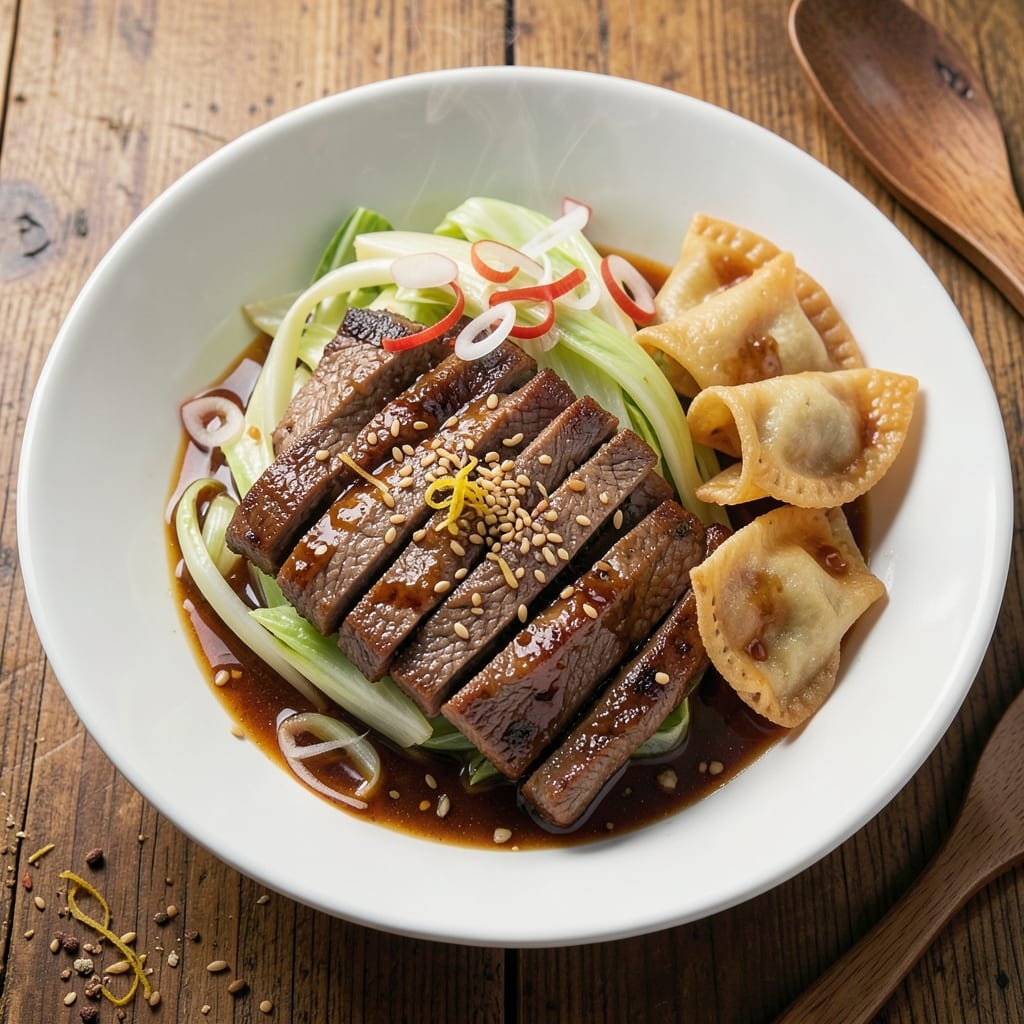
This authentic moo shu beef recipe delivers the same restaurant-quality wok-fried perfection you crave at home. The secret lies in marinating the beef just right—tender yet firm enough to hold its shape through high-heat stir-frying. I've perfected this technique over years of testing, ensuring every bite delivers that signature umami crunch with scallions cutting through the richness.
What sets this recipe apart is the balance of flavors: a glossy hoisin-soy sauce, aromatic garlic and ginger, and the fresh crunch of bell peppers and onions. The beef gets seared in a hot wok until it's perfectly caramelized on the edges, while the vegetables retain their crisp texture. This isn't just another stir-fry—it's a dish that transports you to a bustling Chinese kitchen with its bold, layered taste.
The assembly is where the magic happens. Thinly sliced beef, wok-fried to golden perfection, gets tossed with the sauce and vegetables, then wrapped in a steaming hot tortilla with scallions. The result? A dish that's crispy on the outside, tender inside, and packed with that unmistakable moo shu flavor. Every element—from the marinade to the final plating—has been refined to deliver an authentic experience.
This recipe is designed for home cooks who want restaurant-quality results without the fuss. With the right technique and ingredients, you'll achieve that coveted wok hei (breath of the wok) flavor that makes this dish so irresistible. Let's get started on creating your own perfect moo shu beef at home.
Ingredients for authentic moo shu beef
Authentic moo shu beef starts with quality ingredients—tender beef, bold sauces, and fresh vegetables.
| Ingredient | Amount | Notes |
|---|---|---|
| Flank Steak 🥩 | 1 ½ lb | Thinly sliced against grain |
| Hoisin Sauce 🍶 | ¼ cup | Store-bought or homemade |
| Soy Sauce 🥢 | ¼ cup | Low-sodium preferred |
| Oyster Sauce 🍲 | 2 tbsp | High-quality for umami |
| Garlic Cloves 🧄 | 6 cloves | Minced for marinade |
| Fresh Ginger 🌿 | 2 tbsp | Finely grated, peeled |
| Sesame Oil 🫒 | 1 tbsp | Toasted for aroma |
| Cornstarch 🌾 | 1 tbsp | For velveting beef |
| Bell Peppers 🌶️ | 2 whole | Red/yellow, sliced thin |
| Green Onions 🧅 | 1 whole | White and green parts |
| Flour Tortillas 🌯 | 4 whole | 10-inch size preferred |
| Vegetable Oil 🫒 | ½ cup | High smoke point |
| Salt 🧂 | 1 tsp | Kosher or sea salt |
| Black Pepper 🌶️ | ½ tsp | Freshly ground |
| White Pepper 🌶️ | ¼ tsp | For subtle heat |
The beef is non-negotiable. Flank steak delivers that signature chewy texture when sliced thinly against the grain. Look for well-marbled cuts at Whole Foods or your local butcher—they'll slice it for you if you ask. For the sauces, Lee Kum Kee oyster sauce and La Choy hoisin are my go-tos, but homemade versions work too. The secret to that glossy sauce is balancing sweet, salty, and umami—so don't skimp on the oyster sauce. Fresh ginger and garlic should smell vibrant, not dried out, and toasted sesame oil adds that authentic aroma.
No hoisin? Substitute 1 tbsp soy sauce plus 1 tsp honey—it won't be identical, but it'll work. Running short on bell peppers? Substitute with snap peas or shredded cabbage for a different texture. The cornstarch is key for velveting the beef—don't skip it. For extra crunch, lightly toast your green onions before adding them. If you can't find flour tortillas, burrito-size corn tortillas work too, though they'll be slightly chewier. The beef marinade should sit for at least 30 minutes—longer if you have time.
Prepped beef marinates best in the fridge for up to 6 hours. The tortillas stay fresh wrapped in a dry towel for 2 days. For leftovers, store the beef and sauce separately—reheat the beef in a skillet with a splash of water to keep it moist. The assembled wraps reheat beautifully in a steamer basket for 2-3 minutes. Freeze extras by wrapping them tightly in foil for up to 3 months. Pro tip: Toast your tortillas briefly before wrapping to keep them crisp.
Why You'll Love This Recipe
- One-Pan Magic: I swear by this recipe when I’m too tired to wash dishes. Thinly sliced flank steak, a quick stir-fry, and that sticky-sweet hoisin glaze—all on one pan. My counter stays clean, and my taste buds don’t complain.
- Umami Bomb: Between the oyster sauce’s depth, the soy’s punch, and fresh garlic cloves sizzling in the pan, every bite is a flavor explosion. Honestly, the balance of salty, sweet, and funky hits different—like a hug for my taste buds.
- Lunchbox Hero: Double the batch, pack it in containers, and you’ve got dinner covered for three nights. The beef stays tender, the sauce clings perfectly, and my kids actually eat their veggies (yes, even the picky ones).
- Budget Win: Flank steak stretches far when sliced thin, and a little hoisin goes a long way. I’ve fed four people for under $15 with this—leftovers reheat beautifully, and the sauce freezes like a dream for next time. Smart, simple, and satisfying.
Step-by-step instructions for authentic moo shu beef
Master the wok technique and velveting method for restaurant-quality results every time.
Velvet the Beef for Perfect Texture
In a mixing bowl, combine the 1.5 lb flank steak (sliced thinly against the grain), 1 tbsp cornstarch, 0.25 cup soy sauce, 2 tbsp oyster sauce, 6 cloves minced garlic, 2 tbsp finely grated ginger, 0.5 tsp black pepper, and 0.25 tsp white pepper. Mix gently but thoroughly to coat all surfaces evenly. The cornstarch creates a protective layer that prevents the beef from overcooking while keeping it tender and moist.
Cover the bowl and refrigerate for at least 30 minutes—this resting period allows the marinade to penetrate deeply. For best results, marinate for up to 2 hours, but don't exceed this time as the acidity in the sauces can start to break down the beef fibers. The beef should be fully coated and slightly translucent when ready to cook.
Prepare the Vegetables and Sauce
Slice the 2 whole bell peppers into thin strips (about 1/8-inch thick) and separate the 1 whole green onion into white and green parts. Set aside. In a small bowl, whisk together the 0.25 cup hoisin sauce and 1 tbsp sesame oil. This sauce will add the signature sweet-savory depth that defines authentic moo shu.
Heat 0.25 cup vegetable oil in a wok or large skillet over medium-high heat until shimmering. Add the bell pepper strips and stir-fry for 2-3 minutes until they begin to soften but remain slightly crisp. Remove the peppers and set aside. In the same wok, quickly cook the white parts of the green onions for 30 seconds until fragrant. Remove and combine with the bell peppers.
Wok-Fry the Beef to Crispy Perfection
Add the remaining 0.25 cup vegetable oil to the wok and heat over high heat until smoking slightly. Working in batches if necessary (to avoid overcrowding), add the marinated beef. Stir-fry vigorously for 1-2 minutes until the beef is deep golden brown and cooked through. The high heat and quick cooking time are essential—this creates the signature crispy exterior while keeping the inside tender.
Return the bell peppers and green onions to the wok and toss everything together for 30 seconds. Pour the hoisin-sesame oil mixture over the beef and stir-fry for another 1 minute until the sauce coats the beef evenly. The wok should be sizzling hot, and you should see the sauce glaze the beef beautifully. If the sauce thickens too much, add 1-2 tablespoons of water to loosen it slightly.
Assemble the Moo Shu Pockets
Warm the 4 whole flour tortillas in a dry skillet over medium heat for 10-15 seconds per side until pliable. Divide the beef and vegetable mixture evenly among the tortillas, spreading it toward the edges. Drizzle any remaining sauce from the wok over the top of each tortilla.
Fold the tortillas in half, then fold them in thirds to create compact pockets. Press gently to seal, but don't squeeze too tightly—you want the filling to stay moist. Serve immediately while the tortillas are still warm and the filling is steaming hot. The contrast of crispy tortillas with tender, umami-rich beef and sweet peppers is what makes this dish truly special.
Garnish and Serve with Confidence
Cut each moo shu pocket diagonally into two triangles for easy serving. Garnish with extra green onion tops for color and freshness. The dish should have a balance of textures—crispy tortillas, tender beef, and slightly crisp bell peppers—all tied together with the glossy, savory-sweet sauce.
For an authentic touch, serve with a side of steamed jasmine rice or a simple cucumber salad. The rice helps balance the richness of the beef, while the salad adds a refreshing contrast. Enjoy immediately, as moo shu beef tastes best when served fresh from the wok.
Pro Tips For Making Authentic Moo Shu Beef
- Slice Against the Grain: Flank steak’s tough fibers run diagonally—cutting perpendicular to them gives you tender, restaurant-quality bites. I used to fight this step, but now I just eyeball the grain and slice thinly after cooking. Trust me, your fork will thank you.
- Marinate for 20 Minutes (Not 2 Hours): Over-marinating beef in soy and oyster sauce turns it mushy. Twenty minutes is enough to tenderize without breaking down the meat. Pro tip: Add a splash of cornstarch to the marinade—it helps the sauce cling better when stir-frying.
- Use Cold Beef: Take the steak straight from the fridge and pat it bone-dry before slicing. Cold meat sears faster and more evenly, and it won’t release juices into the pan like warm meat does. I learned this the hard way after a greasy, uneven batch.
- Balance the Sauce: Hoisin’s sweetness can overpower if you’re not careful. Start with 2 tablespoons hoisin, 1 tablespoon each of soy and oyster sauce, then adjust to taste. If your sauce tastes flat, add a pinch of sugar or a dash of rice vinegar—it brightens everything up.
Creative variations of authentic moo shu beef
Spicy Sichuan Style
Transform your moo shu beef into a fiery Sichuan sensation by adding 1 tbsp chili bean paste and 1 tsp Sichuan peppercorns (lightly toasted and ground) to the marinade. The chili bean paste brings deep, smoky heat while Sichuan peppercorns add that signature numbing tingling sensation. For extra drama, toss in 1-2 dried red chilies during the stir-fry for visual appeal and intense heat. 🌶️
Vegetarian Twist
Replace the beef with 1.5 lbs extra-firm tofu (pressed and sliced into thin strips) or shiitake mushrooms (sliced and marinated in the same sauce). For texture, add 1 cup shredded king oyster mushrooms to mimic the beef's chewiness. Use 1 tbsp vegetable oil for velveting the tofu and increase the sauce by 2 tbsp to compensate for the lack of beef juices. This version keeps all the umami while being completely plant-based.
Seafood Fusion
Swap the beef for 1.5 lbs shrimp (peeled and deveined) or scallops (sliced into thin strips). Toss the seafood with the marinade for just 10 minutes (seafood cooks faster than beef) and stir-fry for 1-2 minutes until opaque. Add 1 tbsp white wine to the sauce for brightness. Serve in small steamed buns or over rice noodles for a lighter, coastal-inspired take. 🦐
Sweet and Sour Glaze
Elevate the dish with a sweet and sour glaze by adding 2 tbsp rice vinegar and 1 tbsp honey to the hoisin-sesame oil sauce. Stir-fry the beef as usual, then toss with the glaze and 1 tbsp chopped cilantro for freshness. The tangy sweetness pairs beautifully with the savory beef and crisp vegetables. Garnish with mandarin orange segments for a pop of color and citrusy contrast.
Breakfast Moo Shu
Turn your moo shu beef into a hearty breakfast by wrapping it in egg crepes instead of tortillas. Whisk 2 eggs with 1 tbsp milk and pour a thin layer into a hot skillet, spreading it into a crepe. Fill with the beef mixture and roll tightly. Serve with a side of scrambled eggs and crispy hash browns for a Chinese-American fusion brunch. The crepes add a delicate, flaky texture that contrasts perfectly with the bold flavors. 🍳
Regional Chinese Adaptations
For an authentic Cantonese touch, replace the hoisin with 1 tbsp dark soy sauce for deeper color and reduce the sweetness slightly. In Szechuan style, add 1 tsp doubanjiang (fermented chili bean paste) to the sauce for complexity. For a Shanghai twist, include 1 tsp Shaoxing wine in the marinade and serve with steamed buns instead of tortillas. Each regional variation keeps the core technique while adding local flavor profiles. 🗺️
Nutrition facts
Frequently asked questions
Why is velveting the beef so important for moo shu?
The cornstarch coating creates a protective barrier that locks in juices while creating a tender, slightly crisp exterior. Without it, the beef would overcook and turn tough during the high-heat stir-fry. This technique is what gives authentic moo shu its signature texture—chewy yet tender with a perfect bite.
Can I use a regular skillet instead of a wok?
Yes, but you'll need to adjust your technique. Heat your skillet over high heat and work in smaller batches to mimic the wok's high surface area. The key is maintaining that searing heat to get the beef browned and crispy. A cast iron skillet works best for retaining heat.
What's the best way to store leftovers?
Store the cooked beef and sauce separately in airtight containers for up to 3 days in the fridge. Reheat the beef in a skillet with a splash of water to maintain moisture, then warm the tortillas separately. For freezing, wrap individual portions tightly in foil for up to 3 months.
How do I make the sauce less sweet?
Reduce the hoisin sauce by 1 tbsp and increase the soy sauce by 1 tbsp instead. For extra umami depth, add 1 tsp fish sauce or an extra 1 tbsp oyster sauce. The balance should be more savory than sweet while keeping that signature glossy texture.
Can I make moo shu beef ahead of time?
Prepare the beef and sauce up to 2 days ahead and store them separately. The tortillas should be warmed just before serving. For the best texture, assemble and serve immediately, but you can reheat the filling in a steamer for 2-3 minutes if needed. The flavors actually improve overnight as they meld together.