
Main Courses
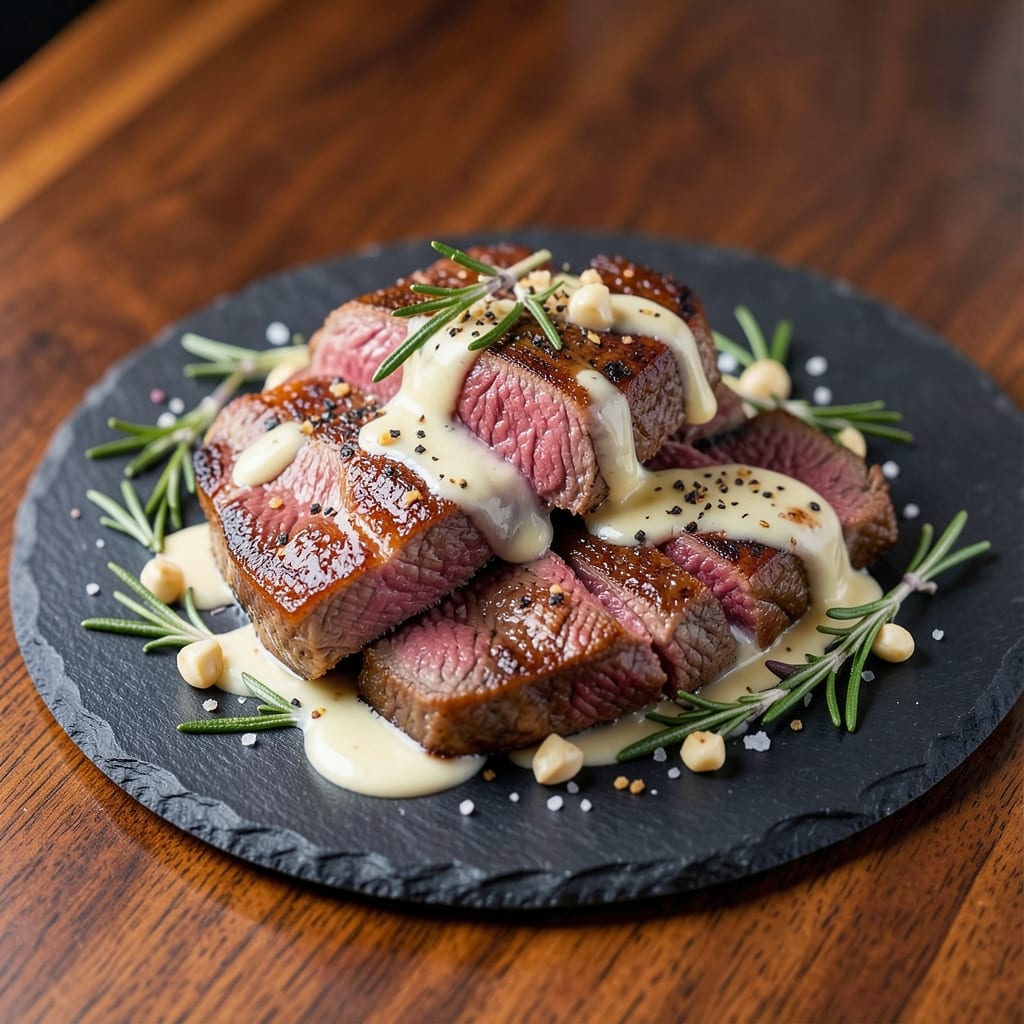
This beef 65 recipe delivers the ideal balance of a crispy sear and a perfectly pink center, exactly how French bistros serve it. The secret lies in dry-brining the cut overnight to lock in juices, followed by a high-heat sear in cast iron or on a grill. This method ensures a tender, juicy interior with a caramelized crust that’s impossible to resist.
French entrecôte (or ribeye) is the star here, cut to 1.5-inch thickness for even cooking. A reverse sear technique—starting low and finishing with a screaming-hot pan—guarantees restaurant-quality results without overcooking. The butter basting adds richness, while a 130–135°F internal temp keeps that signature medium-rare doneness.
Serve with classic sides like crispy French fries or a fresh salad to complete the bistro experience. The key to plating is resting the beef for 5–10 minutes before slicing against the grain, ensuring every bite stays juicy and flavorful. Garnish with flaky salt and fresh parsley for a touch of elegance.
This recipe is perfect for special occasions or when you want to impress—foolproof, professional, and undeniably delicious. Let’s get started on mastering the perfect Beef 65.
Ingredients for beef 65
Precision-cut beef and expert seasoning unlock the bistro-quality Beef 65 every time.
| Ingredient | Amount | Notes |
|---|---|---|
| French Entrecôte (Ribeye) Steak 🥩 | 1 ½ lb | 1.5-inch thick, dry-brined overnight |
| Kosher Salt 🧂 | 1 ½ tbsp | Diamond Crystal preferred, coarse grain |
| Freshly Ground Black Pepper 🌶️ | 1 tsp | Freshly cracked for optimal flavor |
| Unsalted Butter 🧈 | ½ cup | European-style, 82% fat for richness |
| Garlic Cloves 🧄 | 4 cloves | Fresh, peeled, smashed for infusion |
| Fresh Rosemary 🌿 | ¼ cup | Finely chopped, fresh sprigs preferred |
| Flaky Sea Salt 🧂 | 1 tsp | For finishing, Maldon preferred |
| Fresh Parsley 🌿 | ¼ cup | Chopped, for garnish |
| Vegetable Oil 🫒 | 2 tbsp | High smoke point, for searing |
| Cast Iron Skillet 🍳 | 1 whole | Heavy-bottomed, preheated |
| Meat Thermometer 🌡️ | 1 whole | Instant-read, for precision |
The French entrecôte is non-negotiable for this dish—1.5-inch thickness ensures even cooking and that signature pink center. Source from a reputable butcher (like D'Artagnan or your local specialty shop) for the best marbling. If you can't find entrecôte, ribeye works as a substitute, but trim excess fat to avoid flare-ups. The dry brine (kosher salt applied overnight) is critical—it creates a crust while locking in moisture. Diamond Crystal kosher salt is ideal due to its larger crystals, but Morton works in a pinch. Freshly ground black pepper adds depth without overpowering the beef's natural flavor.
No European-style butter? Plugrá or Kerrygold are excellent alternatives, but avoid salted butter—it disrupts the delicate seasoning balance. For the garlic and rosemary, fresh is non-negotiable here; dried herbs lack the aromatic complexity. If you're short on time, smash the garlic cloves with the flat side of your knife before adding them to the butter—this releases more flavor. The flaky sea salt (like Maldon) is for finishing, not seasoning; it adds a delicate crunch that elevates the dish. For the vegetable oil, avocado or grapeseed oil are best—they withstand high heat without burning.
This recipe is built for restaurant-quality results, so treat the ingredients with care. The steak should rest for 5–10 minutes after cooking—this is where the magic happens as juices redistribute. Store leftovers in an airtight container for up to 3 days in the fridge, though the texture suffers after the first day. For longer storage, vacuum-seal portions and freeze for up to 3 months. Reheat gently in a low-temperature oven (200°F) to avoid drying out the meat. Garnish with fresh parsley just before serving to keep it vibrant.
Why You'll Love This Recipe
- I swear by this: just salt, pepper, and butter. That’s it. No fancy marinades or hours of prep—just a hot pan, a sear, and garlic melting into the butter at the end. The steak does all the heavy lifting.
- Here’s what sold me: that first bite of perfectly seared crust, followed by the rich, buttery garlic finish. The ribeye’s natural flavor shines, but the garlic butter turns it into something ridiculously good—no overpowering spices needed.
- I’ll be real: most leftover steak is dry or sad. Not this. Slice the cooked ribeye thin, reheat it in a pan with a pat of butter, and it’s like eating restaurant-quality beef again. My lunchbox’s new best friend.
Step-by-step instructions for beef 65 with crispy sear
Master this technique and you'll achieve a restaurant-quality steak with a perfect pink center and flawless crust.
Prepare the Steak for Optimal Cooking
Remove the 1.5 lb French Entrecôte (Ribeye) Steak from the refrigerator and let it sit at room temperature for 30-45 minutes. This allows for even cooking throughout the thickest parts. Pat the steak dry completely with paper towels—moisture is the enemy of a good sear. I press firmly on all sides, including the edges, to ensure no water remains that could steam instead of crisp.
Season both sides generously with 1.5 tbsp Kosher Salt and 1 tsp Freshly Ground Black Pepper, pressing the seasoning into the meat so it adheres. Let it rest for 10 minutes while you prepare your pan. This brief resting period ensures the salt penetrates slightly and the seasoning clings properly. The steak should feel dry to the touch and uniformly coated.
Create the Garlic-Herb Butter and Sear the Steak
In a small bowl, combine the 0.5 cup Unsalted Butter, 4 cloves Garlic Cloves (smashed), and 0.25 cup Fresh Rosemary. Set this aside while you heat your cast iron skillet over medium-high heat until it's smoking hot. Add 2 tbsp Vegetable Oil and let it shimmer for 1-2 minutes—this ensures proper heat distribution for that perfect crust.
Place the steak in the skillet and sear for 3-4 minutes per side without moving it until you develop a deep brown crust. I press down gently on the steak during the first minute to prevent curling. Use your meat thermometer to check for 130°F internal temperature (medium-rare) after searing. The crust should be dark golden brown with caramelized edges—this is your signal that the sear is working.
Baste and Rest for Perfect Doneness
Remove the steak from the pan and add the garlic-herb butter mixture. Let it melt and bubble for 30 seconds, then baste the steak with the hot butter for 1-2 minutes on both sides. This basting step infuses flavor and adds a luxurious sheen to the crust. Return the steak to the pan for 1-2 minutes if needed to reach 135°F internal temperature (medium, or "65" in European terms).
Transfer the steak to a cutting board and let it rest for 5-8 minutes before slicing. Tent loosely with foil to retain heat. This resting period is critical—it allows the juices to redistribute throughout the meat, preventing them from running out when you cut. The steak should maintain its 135°F internal temperature during this time, ensuring that perfect pink center you're after.
Finish and Serve with Herb Garnish
Slice the steak against the grain into ½-inch thick portions. Sprinkle generously with 1 tsp Flaky Sea Salt and garnish with 0.25 cup Fresh Parsley. The flaky salt adds a delicate crunch that contrasts beautifully with the rich, tender meat. Serve immediately while the steak is still at its peak temperature, with the crust holding its shape and the center maintaining that perfect pink hue with a hint of warmth.
The result should be a steak with a deep mahogany crust that shatters slightly when cut, a juicy pink center that yields to the knife, and a rich, herbaceous flavor from the garlic and rosemary butter. Each bite delivers that perfect balance of texture and temperature that defines a well-executed beef 65.
Pro Tips For Making Beef 65
- CRANK THE HEAT: Start your cast-iron or heavy pan screaming hot—like, blue-flame-on-the-gas-stove hot. I used to wimp out with medium-high, and my ribeye would sweat instead of sear, leaving me with a sad, greasy mess instead of that perfect crust. Trust me, the first 30 seconds at full blast make all the difference for that caramelized edge. ---
- SALT THE GARLIC: Toss your minced garlic in a pinch of kosher salt before adding it to the butter—it prevents burning and makes the flavor pop. I learned this the hard way after my garlic turned bitter twice in a row. (Yes, even if you’re impatient like me, wait the 30 seconds it takes to salt it.) ---
- SKIP THE CROWDED PAN: Resist the urge to toss in all the butter at once—add just 1 tablespoon to the screaming-hot pan first to create a flavor base. Then, once your steak is seared, add the rest with the garlic. Crowding the pan with butter will steam your steak instead of letting it develop that golden crust. ---
- REST UNDER FOIL: After searing, transfer your steak to a warm plate and tent it loosely with foil for 5 minutes—this keeps it warm while letting it relax. I used to skip this, and my steak would either turn cold or lose all its juices by the time I sliced. (Your future self will thank you.)
Perfect pairings for beef 65
Classic French Fries
Crispy French fries are the quintessential pairing for Beef 65, balancing the richness of the steak with their golden crunch. I recommend using russet potatoes cut into ¼-inch sticks, double-fried in avocado oil at 325°F for the first fry and 375°F for the final crisp. Toss them with flaky sea salt right after cooking—this mimics the bistro-style serving you’d find in Paris. For extra flavor, add 1 tsp garlic powder and ½ tsp smoked paprika to the oil before frying. 🍟
Herbed Ratatouille
A vibrant ratatouille adds a fresh, vegetable-forward contrast to the steak’s richness. Sauté 1 zucchini, 1 eggplant, 1 red bell pepper, and 1 yellow onion in olive oil until tender, then layer with 2 tomatoes and 2 tbsp fresh basil. Bake at 375°F for 25 minutes until bubbly. The earthy flavors complement the beef beautifully, especially if you garnish with a sprinkle of herbes de Provence. This dish also reheats well, making it perfect for meal prep.
Simple Arugula Salad
For a lighter option, a peppery arugula salad cuts through the steak’s richness. Toss 4 cups baby arugula with 2 tbsp lemon juice, 3 tbsp olive oil, and 1 tbsp Dijon mustard. Top with ¼ cup shaved Parmesan and 2 tbsp toasted pine nuts for crunch. The bright acidity and nutty crunch make every bite of steak feel fresh and balanced. Serve immediately to keep the leaves crisp. 🥗
Red Wine Reduction
Elevate your plate with a red wine reduction that ties everything together. Simmer 1 cup red wine (like Cabernet Sauvignon) with 1 tbsp butter, 1 tsp shallots, and 1 sprig thyme until reduced by half. Drizzle over the steak and sides just before serving. The deep, fruity notes enhance the beef’s natural flavors while adding a luxurious touch. For a quicker version, use ½ cup store-bought red wine sauce and simmer with 1 tsp balsamic vinegar for depth.
Baguette with Compound Butter
No Beef 65 experience is complete without a crusty baguette slathered with garlic-herb compound butter. Mix ½ cup softened butter with 2 minced garlic cloves, 1 tbsp chopped parsley, and ½ tsp lemon zest. Spread generously on warm baguette slices and serve alongside the steak. The buttery, garlicky bread soaks up any leftover juices, making it a must-have for a full bistro-style meal. 🥖
Dessert Pairing: Crème Brûlée
End your meal on a high note with crème brûlée, a classic French dessert that complements the steak’s elegance. The creamy custard and caramelized sugar top create a perfect finish. For a shortcut, use store-bought crème brûlée from a reputable brand like Trader Joe’s or Whole Foods. Serve chilled with a sprinkle of cinnamon for warmth. The contrast between the rich steak and light, sweet dessert leaves everyone satisfied. 🍮
Nutrition facts
Frequently asked questions
What makes Beef 65 different from regular steak?
Beef 65 refers to a French entrecôte (or ribeye) steak cooked to medium-rare (130–135°F internal temp), where the "65" comes from the French term for medium doneness (65% cooked). The key differences are the precise thickness (1.5-inch), dry-brining method, and high-heat sear with garlic-herb butter—all designed to create that signature crispy crust and juicy pink center. Regular steaks often vary in thickness and doneness.
Can I use a different cut of beef instead of French entrecôte?
Yes, but with adjustments! Ribeye is the best substitute—look for a 1.5-inch thick cut. Avoid sirloin or flank steak as they’re leaner and cook faster. For New York strip, increase the sear time slightly (4–5 minutes per side) since it’s more tender. Always pat the meat dry and let it rest at room temperature before cooking to ensure even results.
Why does my steak turn out dry even though I rested it?
Overcooking is the #1 cause! Use a meat thermometer to hit 130–135°F—never guess by time. Another culprit is cutting too soon—wait the full 5–10 minutes for juices to redistribute. If your steak still feels dry, try the reverse sear method: Bake at 250°F until 110°F internal, then sear in a hot pan. This ensures a juicy center every time.
How do I fix an undercooked steak?
If your steak is below 130°F, finish it in a 400°F oven for 5–10 minutes (covered with foil) until it reaches the desired temp. For a quick pan fix, sear the undercooked side in a hot skillet for 1–2 minutes per side—just watch closely to avoid overcooking. Never microwave beef, as it turns rubbery.
Can I make Beef 65 ahead of time?
Yes, but with care! Cook the steak as directed, then let it cool to room temperature. Store in an airtight container in the fridge for up to 3 days. Reheat gently in a 200°F oven for 10–15 minutes (covered) to avoid drying out. For longer storage, vacuum-seal and freeze for up to 3 months. Thaw overnight in the fridge before reheating.