
Soups & Stews
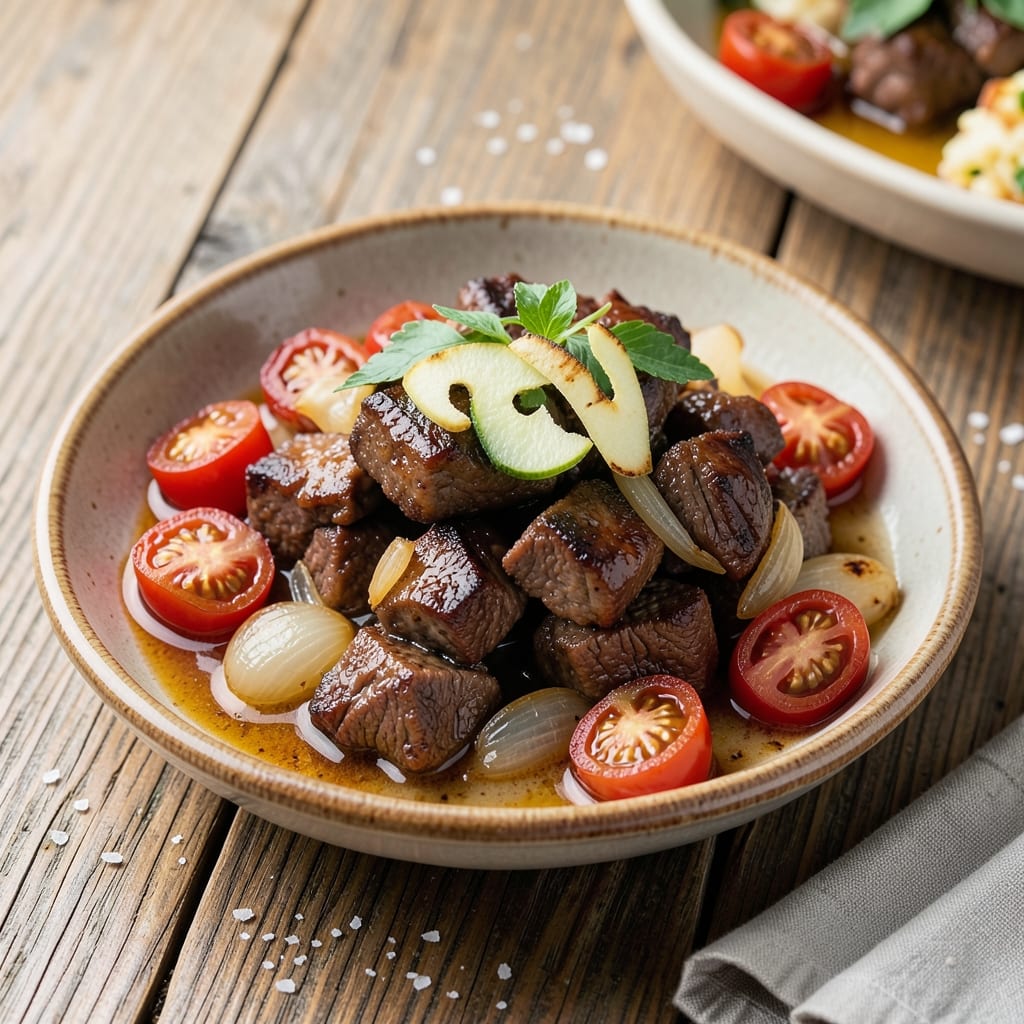
This beef agujas recipe brings the comforting flavors of Filipino home cooking to your table with tender beef and aromatic vegetables simmered in a rich coconut broth. 🌟 What makes this dish special is its perfect balance of savory, sweet, and tangy notes—achieved through slow simmering that transforms tough cuts into melt-in-your-mouth perfection. The key lies in the layered spices and coconut milk, which create a velvety sauce that clings to every bite.
The beauty of beef agujas is its versatility—whether you prefer a lighter version with less coconut milk or a richer, creamier take, this recipe adapts effortlessly. Traditional Filipino kitchens often prepare it in clay pots or heavy-bottomed pans, but a modern stove works just as well. The slow-cooking process allows flavors to meld deeply, resulting in a dish that’s hearty enough for a family meal but elegant enough for gatherings.
By the time you’re done, you’ll have a steaming pot of tender beef, caramelized onions, and vibrant vegetables swimming in a fragrant coconut broth. The aroma alone will have everyone anticipating dinner, while the first bite delivers that perfect harmony of textures—tender beef, crisp vegetables, and a sauce that’s both creamy and aromatic. This is comfort food at its finest, with a touch of Filipino soul.
Serve it with steamed rice to soak up every last drop of that rich broth, or pair it with crusty bread for a more substantial meal. The best part? Leftovers taste even better the next day, making it perfect for meal prep or feeding a crowd. Let’s get cooking!
Ingredients for beef agujas
Sixteen ingredients that transform into a fragrant, melt-in-your-mouth Filipino feast.
| Ingredient | Amount | Notes |
|---|---|---|
| Beef Chuck Roast 🥩 | 3 lb | Cut into 1.5-inch cubes |
| Yellow Onions 🧅 | 3 whole | Thinly sliced, about 4 cups |
| Garlic Cloves 🧄 | 8 cloves | Minced, about 2 tbsp |
| Fresh Ginger 🌿 | 2 tbsp | Grated, about 1 oz |
| Coconut Milk 🥥 | 2 cans | 13.5 oz each, full-fat preferred |
| Tomatoes 🍅 | 4 whole | Medium, diced, about 2 cups |
| Carrots 🥕 | 3 whole | Medium, sliced into rounds |
| Potatoes 🥔 | 4 whole | Russet, peeled and cubed |
| Green Bell Pepper 🌶️ | 1 whole | Sliced into strips |
| Bay Leaves 🍃 | 2 whole | Dried, for depth of flavor |
| Ground Black Pepper 🌶️ | 1 tsp | Freshly ground preferred |
| Salt 🧂 | 1 ½ tsp | Kosher or sea salt |
| Soy Sauce 🍶 | 2 tbsp | Light or regular preferred |
| Sugar 🍚 | 1 tbsp | White or brown sugar |
| Vegetable Oil 🫒 | 2 tbsp | For searing beef |
The beef is non-negotiable—chuck roast gives you that tender, fall-apart texture after slow simmering. Filipino markets often carry pre-cut beef agujas, but regular grocery stores have chuck roast too. Look for good marbling, and if you're buying a whole roast, ask the butcher to cube it for you. The potatoes and carrots should be firm and unblemished—no soft spots. Fresh ginger? Asian grocery stores usually have the best selection, but the regular produce section works too. Just make sure it's plump and aromatic, not shriveled. The coconut milk needs to be full-fat for that rich, velvety sauce—no light versions here.
No soy sauce? Coconut aminos or tamari work in a pinch, though the flavor will be slightly different. Fresh ginger too strong? Dried ginger at half the amount is milder. The bell pepper can be swapped for red or yellow bell peppers if that's what's on hand. Want to lighten it up? Use low-fat coconut milk and add a splash of water to the broth. The tomatoes can be canned (San Marzano if you're fancy) or fresh—just make sure they're ripe. And if you're short on time, pre-cut frozen veggies save chopping time without sacrificing flavor.
This dish tastes even better the next day—plan ahead. Store leftovers in an airtight container in the fridge for up to 5 days, or freeze for 3 months. I like to portion it into individual containers so it's ready for quick lunches. The broth thickens as it cools, so adding a splash of water when reheating keeps it luscious. And if you're feeding a crowd, double the recipe—it's that good. The aroma alone will have everyone gathering around the table, and the first bite? Absolute perfection.
Why You'll Love This Recipe
- Minimal Chopping Needed: I swear by this trick—just slice the onions and ginger thick, no fancy dicing. The beef Chuck roast stays in big chunks, so you’re done in 10 minutes of prep. (Yes, even on a Tuesday night.)
- Rich, Layered Depth: That slow-simmered coconut milk and ginger? It melts into the beef, turning tough cuts into something tender and ridiculously flavorful. Honestly, the first bite makes you forget it’s a weeknight meal.
- Leftovers That Shine: This recipe doubles easily, and the next day? Even better. The beef gets more fall-apart tender, and reheating with a splash of water keeps it moist. My freezer’s always stocked with portions—zero guilt.
- Budget-Friendly Feast: A single Chuck roast feeds four, and the rest of the ingredients cost pennies. Between us, this is my go-to when I need a hearty, satisfying meal without breaking the bank. (And it still feels fancy.)
Step-by-step instructions for beef agujas recipe
Here's how to create this rich, aromatic stew that balances tender beef with coconut milk's creamy embrace.
🔥 Step 1: Sear the Beef Chuck Roast
Heat the 2 tbsp vegetable oil in a large Dutch oven over medium-high heat until shimmering. Working in batches to avoid crowding, add the 3 lb beef chuck roast cut into 1.5-inch cubes and sear for 2-3 minutes per side until deeply browned. You're building flavor here—don't rush this step.
Once browned, remove the beef from the pot and set it aside. The beef should be golden and crispy in spots, with caramelized edges that will dissolve into the sauce later. If the oil starts smoking excessively, reduce the heat slightly—you want a good sear without burning.
👨🍳 Step 2: Sauté the Aromatics
In the same Dutch oven, add the 3 whole yellow onions sliced thinly and cook for 5 minutes until softened and golden. Add the 8 cloves garlic cloves minced and the 2 tbsp fresh ginger grated, cooking for another 1 minute until fragrant.
Here's where the magic happens—those aromatics should be sizzling gently, filling your kitchen with warm, inviting smells. If the onions start sticking, add a splash of water to deglaze. Toss in the 3 whole carrots sliced into rounds and the 4 whole potatoes peeled and cubed, stirring to coat them with the onion-garlic-ginger mixture.
🍳 Step 3: Build the Flavor Base
Pour in the 2 tbsp soy sauce and 1 tbsp sugar, stirring to combine. Add the 4 whole tomatoes diced, 1 whole green bell pepper sliced into strips, 2 whole bay leaves, 1.5 tsp salt, and 1 tsp ground black pepper. Stir everything together and let it cook for 3 minutes until the vegetables begin to soften.
This is your flavor foundation—the soy sauce adds umami depth, sugar balances the acidity, and the bay leaves bring that subtle herbal complexity. Don't skip this step; it's where all the flavors meld together before we add the coconut milk.
⏰ Step 4: Simmer with Coconut Milk
Pour in the 2 cans coconut milk, stirring gently to combine all the ingredients. Return the browned beef to the pot, submerging it completely in the sauce. Bring the mixture to a gentle simmer over medium-low heat, then reduce the heat to low and cover partially.
Let it simmer for 2 to 2.5 hours, stirring occasionally. You're looking for the beef to become fork-tender and the sauce to thicken slightly. The coconut milk should create a velvety texture that coats everything beautifully. If the sauce reduces too much, add a splash of water to maintain the right consistency.
🥘 Step 5: Finish and Serve
Once the beef is tender and the flavors have melded together, taste and adjust the seasoning if needed. Remove the 2 whole bay leaves before serving. This dish is best served immediately, straight from the pot, with steamed rice to soak up all that delicious sauce.
Each bite should deliver perfectly tender beef, sweet and savory vegetables, and a creamy coconut finish. The slow simmer has transformed tough chuck roast into melt-in-your-mouth goodness, and the coconut milk has created a luxurious texture that makes this dish truly special.
Pro Tips For Making Beef Agujas
- SEAR THE ROAST FIRST: DESCRIPTION: Don’t skip the browning—this isn’t just for looks. After slicing the chuck roast into agujas (thin strips), hit a screaming-hot pan with oil and sear them 30 seconds per side until golden. That crust locks in flavor when the coconut milk later steams them. (Yes, it takes extra time, but skipping it means bland, soggy beef.)
- GRATE THAT GINGER: DESCRIPTION: Fresh ginger is non-negotiable here, but don’t just mince it—grate it fine enough to dissolve into the sauce. A microplane works best, and trust me, you’ll taste the difference. If you’re lazy, a teaspoon of ground ginger won’t cut it; the heat and texture matter.
- LOW AND SLOW SIMMER: DESCRIPTION: Once everything’s in the pot with coconut milk, resist the urge to boil it hard. Keep it at a gentle simmer—tiny bubbles, maybe 180°F (82°C)—for at least 45 minutes. Rushing this turns the sauce grainy and the beef tough. (I learned this after a single disastrous batch where I treated it like a quick stir-fry.)
- SALT THE COCONUT MILK: DESCRIPTION: The coconut milk needs seasoning too—don’t assume the beef’s salt will carry it. Stir in ½ teaspoon of salt (and a pinch of sugar if you’re using sweetened) while it simmers. This balances the richness and rounds out the flavors. (Your taste buds will notice the difference immediately.)
Serving suggestions for this recipe
Steamed Rice Pairing
Serve beef agujas with steamed white rice—it’s the classic Filipino pairing that soaks up every drop of that rich coconut broth. I recommend jasmine rice for its fragrant aroma, but long-grain white rice works perfectly too. For extra fluffiness, use a 1:1.5 rice-to-water ratio and cook in a rice cooker or pot with a tight lid. 🍚
Pro tip: Add a pinch of salt to the cooking water to enhance the rice’s flavor. When serving, let guests spoon up the beef and veggies, then use rice to mop up the saucy goodness. Leftovers? Even better—just reheat with a splash of water to restore the creamy texture.
Crusty Bread Option
For a heartier meal, offer crusty bread like sourdough or a Filipino-style pan de coco. The bread’s texture contrasts beautifully with the tender beef and creamy sauce. I like to toast slices lightly in butter before serving—it adds a crispy edge that balances the dish’s richness. 🥖
If you’re feeling adventurous, try garlic bread with a spread of Filipino-style butter (mix softened butter with minced garlic and a pinch of salt). The garlic complements the dish’s savory notes while adding a fresh, aromatic twist.
Fresh Vegetable Sides
Lighten the meal with a simple green salad—toss mixed greens with a dressing of lime juice, olive oil, and a pinch of salt. The acidity cuts through the coconut’s richness, while the crunch adds texture. Add sliced cucumbers or shredded cabbage for extra freshness. 🥗
For a Filipino touch, serve kinchay (bitter melon) or string beans lightly sautéed with garlic and soy sauce. These veggies add a subtle bitterness that balances the dish’s sweetness, making each bite more dynamic.
Garnishes for Elevation
Brighten the dish with fresh cilantro or green onions sprinkled on top—just 2 tbsp chopped adds a pop of color and freshness. For heat, add sliced Thai chilies or a sprinkle of crushed red pepper flakes. A drizzle of lime juice before serving enhances the flavors and adds a zesty finish. 🌿
If you’re feeling fancy, top with toasted coconut flakes for extra crunch and a tropical aroma. The contrast of textures and temperatures makes every bite more exciting—trust me, it’s a game-changer!
Nutrition facts
Frequently asked questions
What cut of beef works best for this recipe?
Use chuck roast for the best results—it's affordable and becomes incredibly tender when slow-cooked. The fat content helps create a richer sauce, and the connective tissues break down beautifully during the 2-2.5 hour simmer. If you can't find chuck, short ribs or brisket work well too, though they may need slightly longer cooking.
Can I make beef agujas without coconut milk?
Yes! For a lighter version, replace the coconut milk with 2 cups beef broth and add 1 tbsp cornstarch mixed with water to thicken the sauce. You'll lose some creaminess, but the dish will still be flavorful. Traditional recipes sometimes use less coconut milk, especially in coastal regions where they prefer a more broth-like consistency.
How do I know when the beef is tender enough?
The beef should be fork-tender with no resistance when pierced—it should fall apart easily. Test a piece after 1.5 hours of simmering. If it's still tough, continue cooking for another 30-45 minutes. The sauce should coat the beef completely, and the vegetables should be soft but not mushy. Never rush this step—patience is key for that melt-in-your-mouth texture.
Can I prepare this ahead of time?
This dish tastes even better the next day! Cook it completely, then refrigerate in an airtight container for up to 5 days. The flavors deepen as they sit, and the sauce thickens slightly. When reheating, add a splash of water or broth to restore the creamy consistency. For freezing, portion into individual containers and store for up to 3 months—perfect for meal prep!
What if my sauce gets too thick?
Simply add 2-4 tablespoons of water or broth while stirring gently over low heat. The coconut milk will re-emulsify quickly. If the sauce separates completely, whisk in 1 tablespoon of coconut milk to restore its velvety texture. Avoid adding too much liquid at once—build it back gradually to maintain the right consistency.