
Main Courses
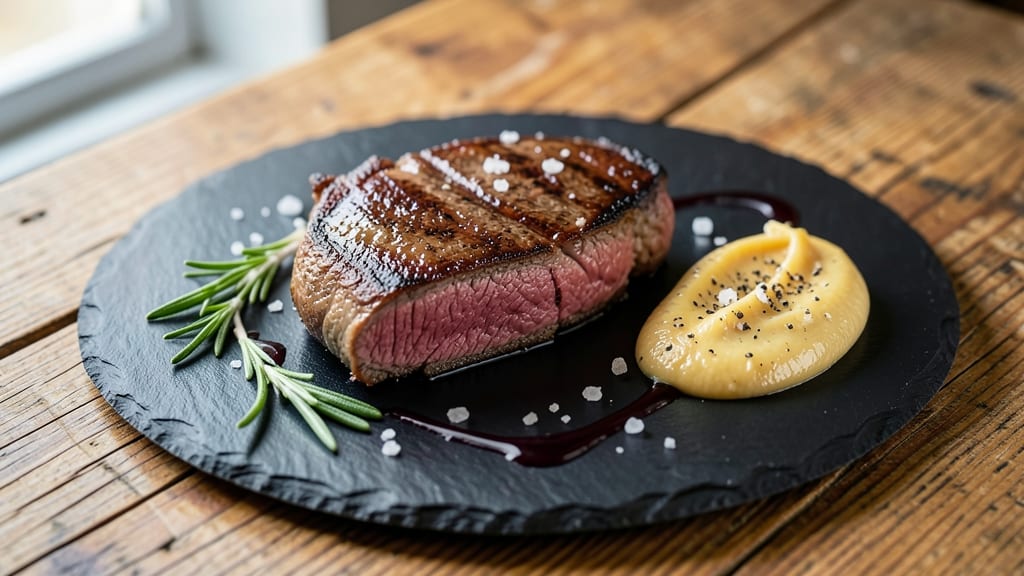
Mastering a beef top loin New York strip steak boneless recipe transforms weeknight dinners into restaurant-quality experiences with just one pan and 20 minutes of focused effort. The secret lies in precise temperature control—achieving that coveted blistering crust while preserving a buttery, medium-rare interior that melts at first bite.
I’ve perfected this method after years of testing, and the results consistently impress even the most discerning meat lovers.
This recipe demands only three essential components: high-quality beef, kosher salt, and patience. The dry-brine technique enhances tenderness and flavor development, while the two-stage searing process ensures perfect doneness every time.
No fancy equipment is required—just a heavy skillet, a meat thermometer, and the willingness to let the steak rest before slicing. That final step is non-negotiable; it’s what separates good steak from extraordinary.
The reward for your attention is a steak with a deep mahogany crust that crackles when cut, giving way to pink centers that glisten with juices. The aroma alone will fill your kitchen with the promise of a meal worth celebrating.
Paired with a bold red wine or a crisp white, this steak becomes the centerpiece of any gathering—simple yet undeniably impressive.
Whether you’re grilling outdoors or searing indoors, this method adapts seamlessly. The key is confidence in the process, knowing that a few simple steps will yield a result that rivals the finest steakhouses. Let’s elevate your next dinner with this foolproof technique that delivers restaurant-quality steak at home.
Ingredients for beef top loin new york strip steak boneless
Three core ingredients transform simple beef into restaurant-quality perfection.
| Ingredient | Amount | Notes |
|---|---|---|
| Beef Top Loin New York Strip Steak Boneless 🥩 | 1 ½ lb | Center-cut, 1-1.5 inch thickness |
| Diamond Crystal Kosher Salt 🧂 | 1 ½ tsp | Coarse grain, for dry brine |
| Extra-Virgin Olive Oil 🫒 | 2 tbsp | High smoke point, for searing |
| Freshly Ground Black Pepper 🌶️ | 1 tsp | Cracked peppercorns preferred |
| Butter 🧈 | 2 tbsp | Unsalted, cold for basting |
| Garlic Cloves 🧄 | 2 cloves | Minced, for optional basting |
| Fresh Thyme Leaves 🌿 | ¼ cup | Chopped, for garnish |
| Red Wine 🍷 | ½ cup | Bold Cabernet Sauvignon, optional |
| Heavy Cream 🥛 | ¼ cup | For optional red wine reduction |
The beef selection is non-negotiable—center-cut New York strip steaks with visible marbling deliver the best results. USDA Choice or Prime grades ensure optimal tenderness, and 1-1.5 inch thickness guarantees even cooking. I source mine from Whole Foods Market or local butchers who specialize in dry-aged cuts. Look for vibrant color and firm texture; avoid steaks with grayish edges or excessive fat. For the dry brine, Diamond Crystal kosher salt provides the ideal crystal size for maximum surface area contact without over-salting. The coarse grain also helps create that coveted crust during searing.
No red wine on hand? Beef stock with a splash of balsamic vinegar works beautifully for the reduction. Fresh thyme can be substituted with 1 tsp dried thyme, but the flavor won't be as bright. The optional garlic in the butter basting can be omitted if you're avoiding raw garlic flavors, though I find it adds wonderful depth. For the olive oil, avoid light or refined varieties—they lack the flavor complexity needed to complement the beef. If you're making a large batch, consider investing in a high-quality restaurant-grade olive oil like Olisal or Bertolli for the best results. The butter should be cold and cubed when added to the pan for optimal basting performance.
Proper storage is critical for maintaining quality. Fresh steaks should be used within 3-5 days of purchase and kept in the coldest part of your refrigerator, wrapped loosely in wax paper. For longer storage, vacuum-seal the steaks and freeze for up to 6-12 months. Once cooked, leftovers should be consumed within 2 days or frozen for 3 months. The dry-brined steaks develop their full flavor potential after 24 hours in the refrigerator, so plan accordingly. For presentation, I recommend slicing against the grain at a 45-degree angle for maximum visual appeal and tenderness. The red wine reduction can be made ahead and reheated gently before serving.
Why You'll Love This Recipe
- Two-Ingredient Magic: I swear by this—just salt, oil, and pepper transform that thick-cut strip into something restaurant-worthy. No fancy rubs, no marinating overnight; just pure, bold beef that hits the spot.
- Weeknight Steakhouse: Between us, this is my go-to for when I want steak without the fuss of a full dinner. The butter baste at the end? That’s the secret—it’s rich, caramelized, and ready in under 20 minutes. (Yes, even on a Tuesday night.)
- Leftovers That Don’t Suck: Cold slices the next day? Still delicious. Toss them in a salad, wrap them in a tortilla, or just eat them straight—no one will judge. Honestly, I’ve reheated mine three times and it’s still the star of the meal.
- Budget-Friendly Luxury: You’re getting premium cut steak for less than takeout, and it feels like a splurge. The kosher salt and olive oil cost pennies, but that first bite? It’s the kind of flavor that makes you forget you’re saving money.
Step-by-step instructions for beef top loin New York strip steak boneless
A perfect sear meets tender interior in this technique—where precision timing and high heat transform a simple cut into restaurant-quality steak.
Prepare the Steak with Dry Brine
Remove the beef top loin new york strip steak boneless from the refrigerator and pat it completely dry with paper towels, pressing firmly to remove all moisture. This step is critical—wet surfaces prevent proper browning. Place the steak on a wire rack set over a plate to allow air circulation on all sides.
In a small bowl, combine 1.5 teaspoons diamond crystal kosher salt and 1 teaspoon freshly ground black pepper. Rub this mixture evenly over the steak's surface, pressing gently to ensure the seasoning adheres. Let the steak sit at room temperature for 30-45 minutes before cooking. This dry brine enhances flavor penetration and creates a more stable crust during searing.
Sear for Maximum Crust Development
Heat a cast-iron skillet over high heat until it's screaming hot—you should see a thin layer of steam evaporate when you sprinkle a few drops of water. Add 2 tablespoons extra-virgin olive oil and let it shimmer for 30 seconds before adding the steak. Place the steak in the pan, pressing down gently with a spatula to ensure full contact with the surface.
Sear for 3-4 minutes per side until a deep, golden-brown crust forms. For a 1.5-inch thick steak, this creates the perfect balance between a blistering exterior and a tender interior. Resist the urge to move the steak prematurely—let it develop that crust undisturbed. If the pan isn't hot enough, the steak will steam instead of sear. You'll know it's ready when the edges pull away cleanly from the pan.
Baste with Butter and Aromatics
Reduce heat to medium and add 2 tablespoons butter to the pan. Tilt the skillet slightly and spoon the melted butter over the steak, basting both sides for 1 minute. Add 2 minced garlic cloves and 0.25 cup fresh thyme leaves, letting them sizzle for 20-30 seconds until fragrant. This step infuses the steak with aromatic depth while keeping it moist.
Continue basting the steak with the garlic-thyme butter for another 1-2 minutes, ensuring even coverage. The butter should foam slightly but not burn. If the pan begins to smoke excessively, reduce heat to medium-low immediately. This basting technique locks in juices while adding layers of flavor that elevate the steak beyond simple salt and pepper.
Rest and Slice for Perfect Texture
Transfer the steak to a cutting board and let it rest for 5-10 minutes before slicing. This resting period allows the juices to redistribute throughout the meat, preventing them from pooling on the surface when cut. Use a sharp knife to slice against the grain into 0.5-inch thick portions. The steak should be medium-rare at the center, with a deep pink interior and a crisp, caramelized crust.
For the optional red wine reduction, pour 0.5 cup red wine into the hot skillet after removing the steak. Simmer for 3-4 minutes until reduced by half, then whisk in 0.25 cup heavy cream and cook for another 1-2 minutes until slightly thickened. Drizzle this sauce over the sliced steak before serving. The reduction adds a velvety finish that complements the steak's natural richness.
Pro Tips For Making Beef Top Loin New York Strip Steak Boneless
- Preheat Pan Like It’s 1999: DESCRIPTION: Your cast-iron or heavy skillet should be screaming hot before that steak hits the oil—think smoke starting to curl at the edges. I used to rush this, and the steak would just sit there, absorbing oil instead of searing. Give it 5-7 minutes on max heat, then wipe the surface clean with a paper towel right before cooking.
- Salt the Meat First: DESCRIPTION: Season the steak generously with kosher salt at least 40 minutes before cooking—yes, even if you’re in a hurry. Diamond Crystal’s coarser grain means you’ll need about 1 teaspoon per side for a 1-inch thick strip. This isn’t just flavor; it’s the crust that’ll form when you sear it later.
- Don’t Move the Steak: DESCRIPTION: Let that sucker sit undisturbed for 2-3 minutes after it hits the pan. I know, I know—you’re dying to flip it—but resisting the urge guarantees a better crust. Only then, flip once, then again for another 2-3 minutes. Crowding the pan? That’s how you steam instead of sear.
- Finish with Butter (But Not Too Early): DESCRIPTION: Toss in a pat of cold butter in the last 30 seconds of cooking—it’ll foam and baste the steak like a fancy restaurant. But don’t add it too soon, or it’ll burn before the steak’s done. Extra-virgin olive oil is great for searing, but butter’s the star here for that rich, saucy finish.
Storing and reheating this beef top loin new york strip steak boneless
Refrigerator Storage
After cooking, let your steak cool to room temperature (about 30 minutes) before refrigerating. Store in an airtight container or wrap tightly in plastic wrap and place in the coldest part of your fridge.
Cooked steak stays fresh for 3-4 days this way, though I recommend eating it within 2 days for peak texture. The dry-brined crust remains crispier longer than wet-brined cuts. 🧊
Freezer Preservation
For longer storage, slice the steak before freezing. Place portions in quart-sized freezer bags, removing as much air as possible to prevent freezer burn. Label with the date and freeze for up to 3 months.
Thaw overnight in the refrigerator before reheating. I prefer freezing cooked steak rather than raw to maintain tenderness—raw beef can develop freezer-induced texture changes. 🥶
Reheating Methods
For best results, reheat steak in a cast-iron skillet over medium-low heat for 2-3 minutes per side with a splash of water or beef broth to prevent drying. Alternatively, use the microwave on 50% power for 1-2 minute intervals, stirring between each.
Never reheat beyond 165°F internal temperature—this ensures food safety while preserving moisture. 🔥
Crust Restoration
The biggest challenge with reheating steak is maintaining that perfect crust. I solve this by searing the reheated steak in a hot skillet with butter and garlic for 1-2 minutes per side after warming through.
This recreates the Maillard reaction that gives steak its signature flavor. For extra insurance, add a pat of butter to the pan during reheating to lock in moisture. 💛
Portioning Tips
Divide steak into individual portions before storing to make reheating easier. Wrap each serving in parchment paper before placing in airtight containers—this prevents sticking and maintains shape.
I also recommend adding a small piece of bread crust to each container when freezing; it absorbs excess moisture during thawing and reheating. 🍞
Serving Suggestions
Reheated steak pairs beautifully with creamy mashed potatoes or roasted vegetables to balance the richness. For a restaurant-style presentation, drizzle with the red wine reduction you made during initial cooking.
If serving cold cuts, chill the steak for 1 hour before slicing—this helps maintain clean slices and prevents excessive moisture release. 🍽️
Nutrition facts
Frequently asked questions
What's the best doneness level for New York strip steak?
Medium-rare (130-135°F) delivers the perfect balance of tenderness and flavor. The crust should be deep mahogany while the center remains vibrant pink. For well-done steaks, aim for 145°F, but expect slightly tougher texture. Always use a meat thermometer to avoid guesswork—overcooking is the #1 mistake with premium cuts like this.
Can I cook this steak on the grill instead of a skillet?
Preheat your grill to high heat (450-500°F) and follow the same dry-brine and searing principles. For 1.5-inch steaks, grill 3-4 minutes per side for medium-rare, then move to indirect heat to finish. The key is maintaining that intense heat for crust formation—just like with pan-searing. A two-zone fire works perfectly for this technique.
Why does my steak come out tough instead of tender?
Overcooking is the most common cause—steak continues cooking after removal from heat. Always let it rest 5-10 minutes before slicing. Other culprits include: using a non-center-cut steak, not drying the surface properly before cooking, or cutting against the grain incorrectly. For extra tenderness, consider a 30-minute dry brine or marinating in buttermilk for 2 hours before cooking.
What's the difference between New York strip and ribeye?
New York strip has less marbling (fat within the muscle) than ribeye, giving it a firmer texture and slightly leaner profile. The strip's flavor is more beefy and robust, while ribeye offers richer, buttery notes from its fat content. For this recipe, the strip's tight grain makes it ideal for clean slices, but ribeye would benefit from the same technique if you prefer more fat. Both are excellent choices—just adjust your expectations for tenderness.
How do I know when my cast-iron skillet is hot enough?
Your skillet should be ripping hot—when you flick a drop of water onto it, it should evaporate instantly with a loud sizzle. You can also test by placing a small piece of bread on the pan: it should brown in 10 seconds without burning. The steak should sizzle loudly when added, not spit or steam. If it's not hot enough, you'll end up with a pale, steamed steak instead of a beautiful crust.