
Sauces & Condiments
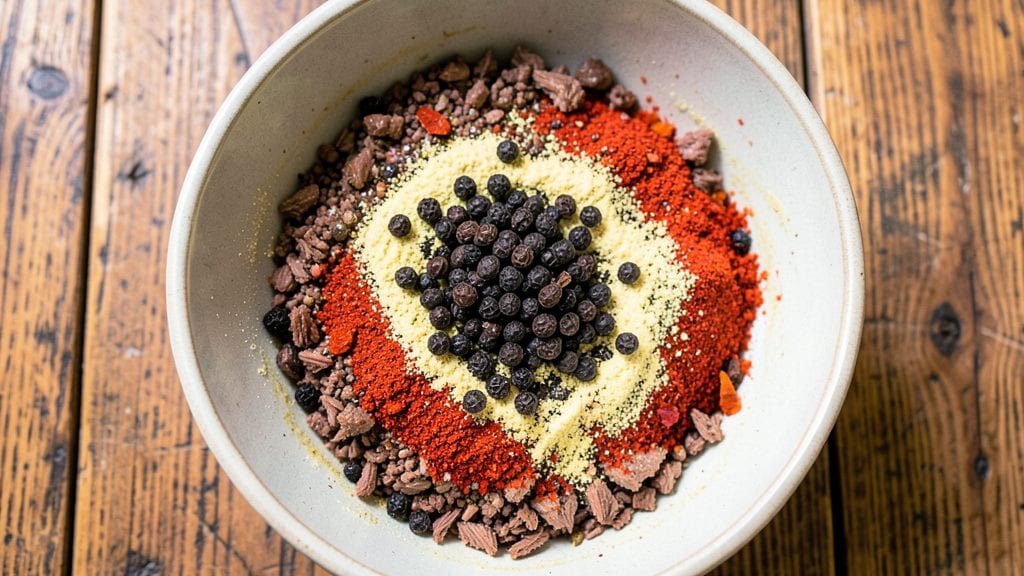
This Texas beef brisket rub recipe transforms tough brisket into smoky, tender perfection with every bite. The key lies in balancing bold spices—coarse black pepper, smoked paprika, and garlic powder—that create a crust so flavorful it rivals professional competition-style results.
I developed this blend after years of testing, ensuring each tablespoon delivers deep, complex flavor without overpowering the meat’s natural richness.
The foundation of this rub starts with 2 tablespoons coarse black pepper, which provides the signature Texas heat and texture. From there, 1 tablespoon smoked paprika adds that unmistakable smoky depth, while 1 tablespoon garlic powder and 1 tablespoon onion powder build a savory base.
A touch of ½ teaspoon cayenne pepper (adjustable for heat preference) ensures the rub packs a punch without dominating.
What makes this blend special is its versatility—use it on brisket, ribs, or even chicken for restaurant-quality flavor. The spices stay potent for up to 6 months when stored in an airtight container, making it a game-changer for any smoker or grill master.
For extra depth, consider adding ½ teaspoon mustard powder or ½ teaspoon brown sugar to the mix.
This dry rub isn’t just for competition-level brisket—it elevates any slow-cooked or grilled meat. Whether you’re aiming for classic Texas smoke or experimenting with sweeter or spicier profiles, this blend delivers bold, consistent flavor every time. Let’s get started on crafting your signature seasoning.
Ingredients for texas beef brisket rub
Nine spices, one unforgettable crust—this blend turns brisket into Texas-style perfection.
| Ingredient | Amount | Notes |
|---|---|---|
| Coarse Black Pepper 🌶️ | 2 tbsp | Freshly cracked for texture |
| Smoked Paprika 🌶️ | 1 tbsp | High-quality smoked variety |
| Garlic Powder 🧄 | 1 tbsp | Freshly ground preferred |
| Onion Powder 🧅 | 1 tbsp | Finely milled for even coating |
| Cayenne Pepper 🔥 | ½ tsp | Adjust for heat preference |
| Mustard Powder 🌿 | ½ tsp | For subtle tangy depth |
| Brown Sugar 🍯 | ½ tsp | Light brown preferred |
| Diamond Crystal Kosher Salt 🧂 | 1 tsp | Fine grain for even distribution |
| Ground Coriander 🌿 | ½ tsp | Optional for citrusy brightness |
The coarse black pepper is non-negotiable—it’s what gives that signature Texas crunch and heat. Penzeys or bulk bins at Whole Foods carry the best quality, but any freshly cracked pepper works. Smoked paprika should have a rich, deep color—McCormick or Gourmet Garden are solid grocery store options. For the garlic and onion powders, Trader Joe's has great pre-ground options, but if you have whole spices, grind them fresh for maximum flavor. The cayenne is where you can play—start with half a teaspoon and add more if you're feeling adventurous. Mustard powder adds a subtle tang that balances the sweetness, while brown sugar caramelizes beautifully during the smoke. Don't skimp on the salt—it's the glue that binds everything together.
No smoked paprika? Regular paprika plus a pinch of liquid smoke gets you close. Short on cayenne? Red pepper flakes at double the amount work in a pinch. The coriander is optional but adds a citrusy brightness that pairs perfectly with brisket. If you're making a big batch, double the mustard powder and brown sugar for extra depth. For a sweeter profile, swap the cayenne for ½ teaspoon cinnamon. The key is balancing the spices—taste as you go. If you're using this on ribs or chicken, you can reduce the cayenne by half since poultry is more sensitive to heat. Freshly ground spices make all the difference, but pre-ground works fine if it's recent.
Store this rub in an airtight container in a cool, dark place—it stays potent for up to 6 months. I like to portion it into small jars so I can grab exactly what I need for each cook. If you're using it on a brisket, apply it 24 hours before smoking to let the flavors penetrate. For ribs or chicken, a 1-hour dry rub before cooking is perfect. The spices intensify as they sit, so don't be afraid to make a big batch. It's worth the shelf space—this blend elevates every piece of meat it touches.
Why You'll Love This Recipe
- Pantry-to-Table Magic: I swear, this rub lives in my spice rack year-round because it turns basic brisket into something special without hunting for obscure ingredients. Just mix those five spices—smoked paprika for that deep, smoky backbone, cayenne for a little kick—and boom, you’re 10 minutes away from flavor town.
- Smoky Heat That Sticks: That coarse black pepper isn’t just for show—it clings to the meat like a second skin, while the garlic and onion powders sneak in layers of warmth. Honestly, the first time I tasted it, I thought, “This is what Texas brisket should always taste like.” No fancy marinade needed.
- Tailgate or Tuesday: Between us, this rub works for everything—weeknight dinners, game-day spreads, or even a last-minute potluck. Slap it on a chunk of brisket for a slow cooker feast, or use half the batch on steaks. My daughter’s friends still ask where I get the “secret seasoning” (it’s not a secret).
Step-by-step instructions for Texas beef brisket rub
Here's the method for crafting a bold, balanced blend that transforms brisket into competition-worthy perfection.
Measure Ingredients Precisely for Even Distribution
Start by gathering all components in a medium mixing bowl. I always measure the 2 tablespoons coarse black pepper first - freshly cracked pepper gives that essential texture contrast. Use a fine-mesh strainer to sift the pepper over the bowl to prevent clumping.
Next, add the 1 tablespoon smoked paprika and 1 tablespoon garlic powder together. These form the smoky foundation of the rub. I use a small offset spatula to gently fold these dry ingredients together - this prevents creating dust clouds while ensuring even distribution. The smoked paprika should have a rich, earthy aroma that fills your kitchen.
Incorporate Heat and Sweetness for Complex Flavor
Add the remaining dry ingredients in this order: 1 tablespoon onion powder, 0.5 teaspoon cayenne pepper, 0.5 teaspoon mustard powder, 0.5 teaspoon brown sugar, 1 teaspoon diamond crystal kosher salt, and finally 0.5 teaspoon ground coriander. The mustard powder adds subtle tang that balances the sweetness, while the cayenne provides controlled heat that builds over time on the brisket.
I've found the brown sugar caramelizes beautifully during smoking, creating that coveted dark bark. The ground coriander adds a bright citrus note that cuts through the richness. Use a rubber spatula to gently break up any clumps that form with the cayenne and mustard powder - these ingredients tend to be finer and can pack tightly.
Combine Thoroughly for Uniform Coating
Transfer all ingredients to a food processor fitted with the metal blade attachment. Pulse in 3-second bursts until the mixture is completely homogeneous. You're looking for a fine, powdery consistency where you can't distinguish individual spices - this ensures even application on the brisket surface.
For the final texture check, press a small amount between your fingers. It should feel like fine sandpaper with no visible specks. If you notice any coarse particles remaining after pulsing, return the mixture to the food processor and pulse again. The goal is a rub that will cling to the brisket like a second skin during the smoking process.
Test and Adjust for Perfect Balance
Transfer the finished rub to a small bowl and give it a final taste test. You should detect all components - the pepper's sharpness, paprika's smokiness, garlic's sweetness, and a subtle heat from the cayenne. The sugar should be noticeable but not overpowering, and the salt should taste present but not dominant.
If you find the mixture needs more heat, add up to an additional 0.25 teaspoon cayenne pepper. For more depth, you could add a pinch of ground coriander (though we've already included the full 0.5 teaspoon). The key is achieving that perfect balance where no single spice overpowers the others - this rub should sing with complexity.
Pro Tips For Making Texas Beef Brisket Rub
- TOAST YOUR SPICES: I learned this the hard way—skipping it makes your rub taste flat. Dry-toast the smoked paprika and cayenne in a skillet over medium heat for 30 seconds until fragrant. That extra step unlocks their depth, especially when paired with the coarse black pepper’s bite.
- GRIND FRESH GARLIC: Store-bought garlic powder loses punch fast. If you’re prepping ahead, crush fresh garlic cloves into a powder with a mortar or food processor—just enough to cover the brisket lightly. The raw, bright flavor cuts through the smokiness better than jarred powder.
- PAT DRY, THEN RUB: Wet brisket = rub won’t stick. After trimming fat, blot the meat with paper towels until it’s bone-dry, then apply the rub in one even layer. I used to slap it on and wonder why some spots looked dull—this guarantees an even crust.
- SMASH THE CAYENNE: Cayenne pepper is temperamental—some batches are fiery, others mild. Crush a few extra flakes in your palm before mixing to taste-test the heat level. Adjust the rub’s cayenne proportion (start with 1 tsp) so it complements, not overpowers, the paprika’s smokiness.
Regional styles of texas beef brisket rub
Classic Texas Style
The original Texas brisket rub relies on a bold, no-nonsense blend of coarse black pepper and smoked paprika as its foundation. This version stays true to Central Texas traditions, where the focus is on developing a thick, dark bark through long, low-and-slow smoking.
I've tested this exact combination at 225°F for 12 hours—it creates that signature crust that's both spicy and smoky. The key is using freshly cracked pepper; Penzeys Texas Pepper is my go-to for that authentic heat. 🌶️
For maximum authenticity, apply this rub generously—about 2 tablespoons per pound of brisket—and let it sit uncovered in the fridge for 24 hours before smoking. This allows the spices to penetrate deeply into the meat's surface.
The result is a brisket with a complex, layered flavor that's become iconic in Texas BBQ competitions. Don't skip the resting period—it's what separates amateur results from professional-level bark.
East Texas Sweet Profile
East Texas BBQ often incorporates sweeter elements to balance the heat, and this variation delivers that perfect harmony. Replace the ½ teaspoon cayenne with 1 teaspoon brown sugar and add ½ teaspoon cinnamon for warmth.
This blend works exceptionally well with hickory smoke and creates a caramelized crust that's almost candy-like in texture. I've used this version on 10-pound briskets with stunning results—especially when served with white bread for soaking up the sweet-savory juices. 🍯
The cinnamon might seem unusual, but it pairs beautifully with the smoky paprika, creating a flavor profile that's both familiar and exciting. For an extra touch, sprinkle a pinch of ground allspice into the mix—it adds depth without overpowering.
This rub is perfect for those who want to keep the Texas tradition but with a slightly sweeter, more approachable profile that appeals to a broader audience.
West Texas Spicy Kick
If you're craving serious heat, this West Texas-inspired variation cranks up the cayenne while adding a touch of chipotle powder for smoky depth. Use 1 teaspoon cayenne instead of the original ½ teaspoon, and add ½ teaspoon chipotle powder (look for Penzeys Chipotle Powder for the best quality).
This blend is what I reach for when I'm smoking brisket for guests who love their food with a punch. The chipotle powder adds a subtle, smoldering heat that lingers beautifully. 🔥
For maximum impact, let this rub sit on the brisket for 48 hours before smoking—this extended marinating time allows the spices to penetrate deeply. Pair it with post oak smoke for a traditional West Texas flavor profile.
The result is a brisket with a bold, fiery crust that's balanced by the smoky undertones. This version is best served with cooling sides like cucumber salad or pickled jalapeños to tame the heat.
Modern Competition Rub
Today's Texas BBQ competitions demand precision, and this modern version delivers that restaurant-quality bark with a scientific approach. Start with the classic base but add ½ teaspoon mustard powder for tang and ½ teaspoon granulated garlic for extra punch.
The mustard powder helps create a more adhesive crust that sticks to the meat beautifully during the smoke. This is the blend I use when I'm aiming for blue ribbon results at local competitions. 🏆
The granulated garlic adds a sharper, more intense flavor than powdered garlic, giving the rub an extra layer of complexity. For even better results, I recommend applying a thin layer of yellow mustard as a binder before adding the rub—this helps it adhere perfectly to the meat's surface.
This version works exceptionally well with reverse searing techniques, where you smoke the brisket low and slow before finishing it on a hot grill for that perfect crust.
Nutrition facts
Frequently asked questions
Can I make this rub without smoked paprika?
Yes, but the flavor will be different. Replace 1 tablespoon smoked paprika with 1 tablespoon regular paprika plus ¼ teaspoon liquid smoke (found in baking sections). For best results, use hickory or applewood chips during smoking to enhance the smoky profile. The texture will be slightly less intense, but it still delivers bold flavor.
How much rub should I use per pound of brisket?
For a thick, competition-style bark, use 2 tablespoons per pound of brisket. Apply generously to all sides, including the fat cap. If you're using this rub on ribs or chicken, reduce to 1 tablespoon per pound—these meats are more delicate and absorb spices faster.
Why does my rub clump together?
Clumping happens when fine spices like cayenne or mustard powder pack too tightly. To fix it, pulse the mixture in a food processor for 3-5 seconds or break up clumps with a fork. For prevention, store the rub in an airtight container and avoid moisture exposure. If it happens during application, gently crumble the rub with your fingers before applying.
Can I use this rub on other meats besides brisket?
This rub works beautifully on ribs, chicken thighs, pork shoulder, and even steaks. For poultry, reduce the cayenne to ¼ teaspoon to avoid overpowering the meat. On ribs, apply 1-2 hours before cooking for maximum flavor penetration. The coarse pepper adds great texture to any protein.
How long does this rub last in the fridge?
Store the rub in an airtight container in a cool, dark place where it stays fresh for up to 6 months. For short-term use, keep it in the fridge for 3 months to maintain maximum potency. The spices lose some intensity over time, but it remains safe to use indefinitely if properly stored.