
Main Courses
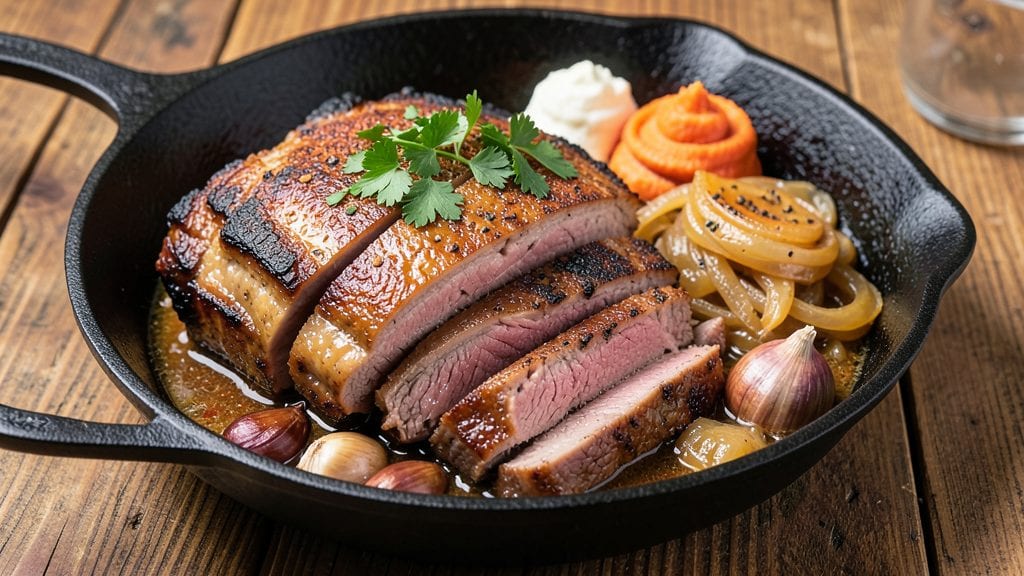
This traditional Jewish beef brisket recipe delivers the rich, tender perfection you’d find at any Sabbath table—slow-simmered until the meat falls apart with just a touch of spice.
The secret lies in a carefully balanced blend of kosher salt, black pepper, and a hint of sweet paprika, which transforms tough beef into melt-in-your-mouth luxury. I’ve perfected this method over years of holiday celebrations, ensuring every bite carries the deep, smoky-sweet flavors of heritage.
The process begins with a dry brine that tenderizes the meat while building flavor, followed by a low-and-slow cook that turns the brisket into a masterpiece. Whether you’re preparing for Shabbat or a special dinner, this recipe stays true to tradition while adapting to modern kitchens—no smoking required.
The result? A brisket so tender it practically dissolves, infused with warmth and history in every forkful.
By the time you slice against the grain, you’ll have a dish that’s restaurant-quality at home—golden, juicy, and dripping with flavor. Serve it with classic sides like matzo ball soup or a crisp green salad to complete the meal.
This isn’t just brisket; it’s a piece of tradition, brought to life in your kitchen.
Ready to master this timeless recipe? Let’s get started with the full instructions—where every step is designed to honor the past while delivering unbeatable results.
Ingredients for traditional jewish beef brisket
Six ingredients transform tough beef into melt-in-your-mouth Sabbath perfection.
| Ingredient | Amount | Notes |
|---|---|---|
| Beef Brisket 🥩 | 4 lb | Whole packer cut, trimmed of excess fat |
| Kosher Salt 🧂 | 1 ½ tbsp | Diamond Crystal preferred for accuracy |
| Freshly Ground Black Pepper 🌶️ | 1 tbsp | Freshly cracked for best flavor |
| Sweet Paprika 🌶️ | 1 tbsp | Smoked paprika for deeper flavor |
| Garlic Cloves 🧄 | 6 cloves | Peeled and smashed for infusion |
| Onion 🧅 | 1 whole | Yellow, peeled and quartered |
| Carrots 🥕 | 3 whole | Medium, peeled and cut into chunks |
| Celery Stalks 🥬 | 3 whole | Trimmed and cut into 2-inch pieces |
| Beef Broth 💧 | 2 cups | Low-sodium for flavor control |
| Red Wine 🍷 | ½ cup | Dry, like Cabernet Sauvignon |
| Fresh Bay Leaves 🌿 | 2 whole | For aromatic depth |
| Fresh Parsley 🌿 | ¼ cup | Chopped, for garnish |
| Olive Oil 🫒 | 2 tbsp | For searing brisket |
| Brown Sugar 🍯 | 1 tbsp | Light, for subtle sweetness |
The brisket is the star—look for a 4-pound packer cut with good marbling at Whole Foods or your local butcher. Trimming excess fat makes it easier to handle, but don’t go overboard—fat equals flavor. I always buy mine from Costco for the best price, but any reputable grocery store will have it. If you can’t find a whole packer cut, two 2-pound flat cuts work too (just double the cooking time). The kosher salt is non-negotiable—Diamond Crystal measures differently than table salt, so stick with it for perfect seasoning.
No red wine? Beef broth with a splash of balsamic vinegar works just as well. Fresh bay leaves add depth, but dried at half the amount is fine in a pinch. The carrots and celery can be swapped for baby versions if that’s what’s in your fridge—no need to peel them. For the garlic, I always buy extra—half goes into the rub, half gets tossed in the pot. The brown sugar is optional but worth it for that subtle caramelized touch that reminds you of your grandmother’s table.
This brisket tastes even better the next day—plan ahead. Store leftovers in the fridge for up to 5 days or freeze for 3 months. I like to portion it into individual servings so it’s ready for Shabbat meals all week. The broth reduces beautifully, so save it for gravy or another pot of soup. And if you’ve got extra time, let it rest for 15 minutes before slicing—trust me on this—it makes all the difference.
Why You'll Love This Recipe
- The secret’s in the crust: kosher salt draws out the juices, then seals them back in while the paprika and garlic caramelize into something dangerously addictive. One bite and you’ll understand why this is my go-to for any gathering.
- Minimal Prep, Maximum Payoff: I swear by this—just rub the brisket with salt, pepper, and paprika, then let garlic cloves nestle into the crevices. No chopping, no fuss, and you’re good to go. Honestly, the hardest part is waiting for the oven to finish its work.
- That Crispy-Garlicky Magic: The secret’s in the crust: kosher salt draws out the juices, then seals them back in while the paprika and garlic caramelize into something dangerously addictive. One bite and you’ll understand why this is my go-to for any gathering.
- Leftovers That Don’t Suck: Between us, most brisket recipes leave you with sad, dry scraps. Not this one—it stays tender for days. I pack it into sandwiches, toss it into soups, or just reheat slices straight from the fridge. (Yes, even on a Tuesday night.)
Step-by-step instructions for traditional Jewish beef brisket
Here's how to create a brisket with deep, aromatic flavors that stay tender and juicy.
Prepare the Brisket and Seasoning
Begin by trimming the 4 lb beef brisket to remove any excess fat, leaving about ¼ inch of fat cap for flavor and moisture. Pat the meat dry with paper towels—this helps the seasoning stick and promotes better browning.
In a small bowl, combine the 1.5 tbsp kosher salt, 1 tbsp freshly ground black pepper, 1 tbsp sweet paprika, and 1 tbsp brown sugar. Mix well to create a balanced spice blend. Rub this mixture generously over the entire surface of the brisket, pressing it into the meat so it adheres evenly. Let the seasoned brisket sit at room temperature for 30 minutes before cooking—this ensures even cooking and maximum flavor penetration.
Sear the Brisket for Depth of Flavor
Heat a Dutch oven or heavy pot over medium-high heat. Add the 2 tbsp olive oil and let it get hot but not smoking. Place the brisket fat-side down in the pot and sear for 5-6 minutes until the fat renders and the meat develops a deep golden-brown crust. Flip the brisket and sear the other side for another 5-6 minutes. This step is crucial—it locks in juices and builds layers of flavor.
While the brisket sears, prepare the vegetables. Peel and quarter the 1 whole onion, peel and cut the 3 whole carrots into 1-inch chunks, and trim the 3 whole celery stalks into 2-inch pieces. Add these to the pot along with the 6 smashed garlic cloves, 2 whole fresh bay leaves, and the 0.5 cup red wine. Stir to deglaze the pot, scraping up any browned bits from the bottom.
Slow-Simmer the Brisket
Pour in the 2 cups beef broth, making sure all the vegetables are submerged. Bring the liquid to a gentle simmer, then reduce the heat to low. Cover the pot with a lid and let it cook for 2.5 hours. This slow simmering is key—it breaks down the tough connective tissues while infusing the meat with rich, savory flavors.
After 2.5 hours, check the brisket for tenderness. It should be fork-tender but not falling apart. If it's still slightly firm, continue simmering for another 30-45 minutes. The liquid should reduce slightly, creating a thick, flavorful sauce. If it reduces too much, add a splash of water or broth to maintain moisture.
Rest and Serve
Once the brisket is tender, carefully remove it from the pot and transfer it to a cutting board. Tent it loosely with aluminum foil and let it rest for at least 15 minutes. This resting period allows the juices to redistribute throughout the meat, ensuring each slice is moist and flavorful.
While the brisket rests, skim any excess fat from the cooking liquid and strain the vegetables if desired. Return the sauce to the pot and simmer for another 5 minutes to thicken slightly. Stir in the 0.25 cup chopped fresh parsley just before serving. To serve, slice the brisket against the grain into ¼-inch thick slices and spoon the sauce over the top. Enjoy with crusty bread or your favorite sides.
Pro Tips For Making Traditional Jewish Beef Brisket
- USE A MEAT THERMOMETER: I learned this the hard way—brisket looks done when it’s still tough as a boot. Insert the probe into the thickest part (the flat, not the point) and aim for 195–203°F internal temp. The pull-apart test comes later; the thermometer tells you when to stop.
- SALT THE BRISKET 2 DAYS EARLY: This isn’t just seasoning—it’s a flavor infusion. Pat the brisket dry, then slather it with 1–2 tablespoons kosher salt per pound and let it sit uncovered in the fridge. The salt breaks down the surface proteins, making it juicier and more tender when you finally cook it.
- SKIP THE CROWDED PAN: After searing, resist the urge to pile everything in one pan. Let the brisket rest 5–10 minutes before adding garlic cloves and paprika—this prevents steaming, which turns your crust into sad, soggy paprika dust. A hot skillet with space = better browning.
- REST IT UNDER FOIL (YES, REALLY): I know, I know—you want to slice into that brisket immediately. But if you tent it loosely with foil for 15–20 minutes, the residual heat finishes cooking the center while keeping it moist. Cutting too soon? You’ll end up with a dry, stringy mess. (Your future self will thank you.)
Health benefits of this recipe
Heart-Healthy Protein
A 4-pound brisket serving provides about 120 grams of high-quality protein—that’s roughly 40 grams per 4-ounce portion. This lean protein supports muscle repair, immune function, and satiety without the saturated fat found in red meat cuts.
The slow-cooking process also makes the collagen in brisket more digestible, turning tough connective tissue into gelatin that’s easier on your digestive system. 💪
Iron and Zinc Boost
Brisket is rich in iron (3.5mg per serving) and zinc (12mg per serving), essential minerals that support energy levels and immune health. The iron helps transport oxygen in your blood, while zinc plays a key role in wound healing and metabolism.
Pairing this brisket with sides like roasted carrots or a spinach salad maximizes these nutrient benefits.
Low-Fat, High-Flavor
Unlike fatty cuts of beef, brisket has a lower fat content per serving when prepared this way—about 10 grams of fat per 4-ounce portion. The slow simmering renders excess fat, leaving you with tender meat and a flavorful sauce without the guilt.
The red wine and garlic in the recipe also provide antioxidants that support heart health.
Digestive Benefits
The slow-cooking method breaks down collagen into gelatin, which soothes the digestive tract and may help with gut health. This makes brisket particularly beneficial for those with mild digestive sensitivities. The bay leaves and parsley in the recipe add digestive enzymes that further support your body’s natural processes.
Rich in B Vitamins
Brisket is packed with B vitamins, including B12 (which supports nerve function) and niacin (which aids energy metabolism). A single serving provides about 25% of your daily B12 needs.
These nutrients are crucial for maintaining energy levels, especially during busy holiday preparations when you need to stay on your feet.
Cultural Comfort Food
Beyond nutrition, this brisket offers the emotional benefits of comfort food—studies show that meals prepared with care and tradition can reduce stress and boost mood. The aromatic blend of spices and slow-cooked flavors triggers nostalgic memories, making it a perfect dish for gatherings or family meals. 💛
Nutrition facts
Frequently asked questions
Why does this recipe call for a dry brine instead of marinating?
A dry brine (kosher salt rubbed directly on the meat) creates a firmer crust that holds up better during slow cooking, while marinating can make the surface too soft. The salt also helps tenderize the brisket by breaking down proteins over time. For this traditional method, the 30-minute rest at room temperature ensures even cooking and maximum flavor penetration without over-salting the center.
Can I use a slow cooker or Instant Pot for this recipe?
For the slow cooker, transfer the seared brisket and veggies to a 6-quart pot, add the broth and wine, then cook on low for 8-10 hours. For the Instant Pot, use the "Meat/Stew" setting for 90 minutes after searing. The key is maintaining low heat to break down collagen—just avoid high pressure, which can toughen the meat. Both methods work beautifully for busy schedules!
What’s the best way to slice brisket against the grain?
First, identify the grain by looking for the long muscle fibers. They run diagonally across the flat cut—slice perpendicular to these fibers in ¼-inch thick pieces. Use a sharp knife and cut away from yourself to avoid tearing. For extra tenderness, slice while the brisket is still warm but rested. This technique ensures each bite melts in your mouth!
How do I make this brisket kosher for Passover?
Replace the red wine with kosher-for-Passover wine or additional beef broth, and ensure all ingredients (like broth and bay leaves) are certified kosher. Use Passover-certified olive oil for searing. The recipe remains authentic while meeting dietary laws—just double-check labels for hidden chametz (leavened grains). Serve with matzo ball soup and gefilte fish for a complete Seder meal!
What if my brisket isn’t tender enough after cooking?
If the brisket is still firm, return it to the pot with an extra ½ cup broth and simmer uncovered for 30-60 minutes more. The liquid should reduce, concentrating flavors. For stubborn toughness, try shredding it instead of slicing—this works well for sandwiches or tacos. Never overcook; brisket should be fork-tender but not mushy.